
Top-rated window tinters.

Get matched with top window tinters in Leon Valley, TX

Enter your zip and get matched with up to 5 pros

Need a pro for your window tinting project in Leon Valley, TX?

Select your specific project to find the pro for you.

TRUSTED BY LEON VALLEY, TX HOMEOWNERS

  • Average homeowner rating star icon4.8
    Average homeowner rating
  • Verified reviews icon95
    Verified window tinting services reviews

Find Window tinters in Leon Valley

Avatar for Brandon's Window Tint & Alarm
Brandon's Window Tint & Alarm
5.0(
6
)
Window Tinting - Apply or ReplaceWindow Tinting - Apply or Replace - For Business

Serving Leon Valley, TX and surrounding areas

In business since 2000

Free estimates

Warranties offered

Brandon's Window Tint & Alarm proudly serves our customers with integrity and attention to the details that matter most to you. This is one of the many things that sets us apart from the rest. We are locally owned and operated so give us a call today! We take Pride in Every install and Treat every vehicle like our own. I believe in quality over quantity!

Tractor Windows
Tractor picture
Tractor
Tractor
Tractor

+81

Response time3 hrs
Response rate95%
Recommended by100%of homeowners
Showing 1-10 of 44
Window Tinting questions, answered by experts

Expert installation optimizes insulation properties, cutting energy costs and enhancing home comfort year-round.

The average cost for home window tinting is around $600, with most homeowners paying between $150 and $1,600. Costs can also be calculated per square foot, typically ranging from $2 to $100, or per window at around $75 each. For example, tinting one or two windows might cost between $200 and $350, while a larger project of 13 to 15 windows could range from $4,124 to $4,747.
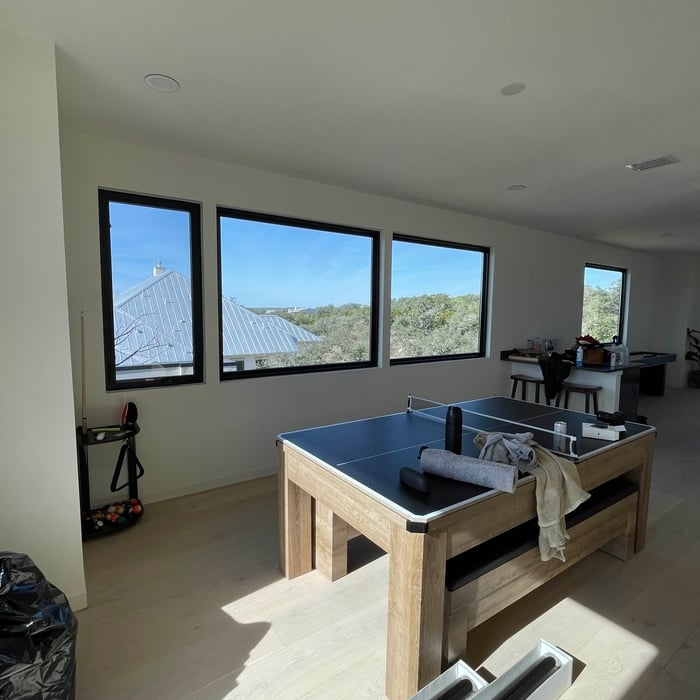
Several factors influence the total project cost, with the number and size of the windows being the most significant. Other key factors include the type, shade, and quality of the tint film, as well as labor costs. Additional treatments, such as low-emissivity (low-E) coatings, can also increase material costs.

Window tinting offers several benefits, such as making your home more energy-efficient by blocking harsh sunlight, protecting furniture from fading, and increasing privacy. For this reason, many homeowners choose to tint only the windows in specific areas where direct sunlight and privacy are primary concerns.
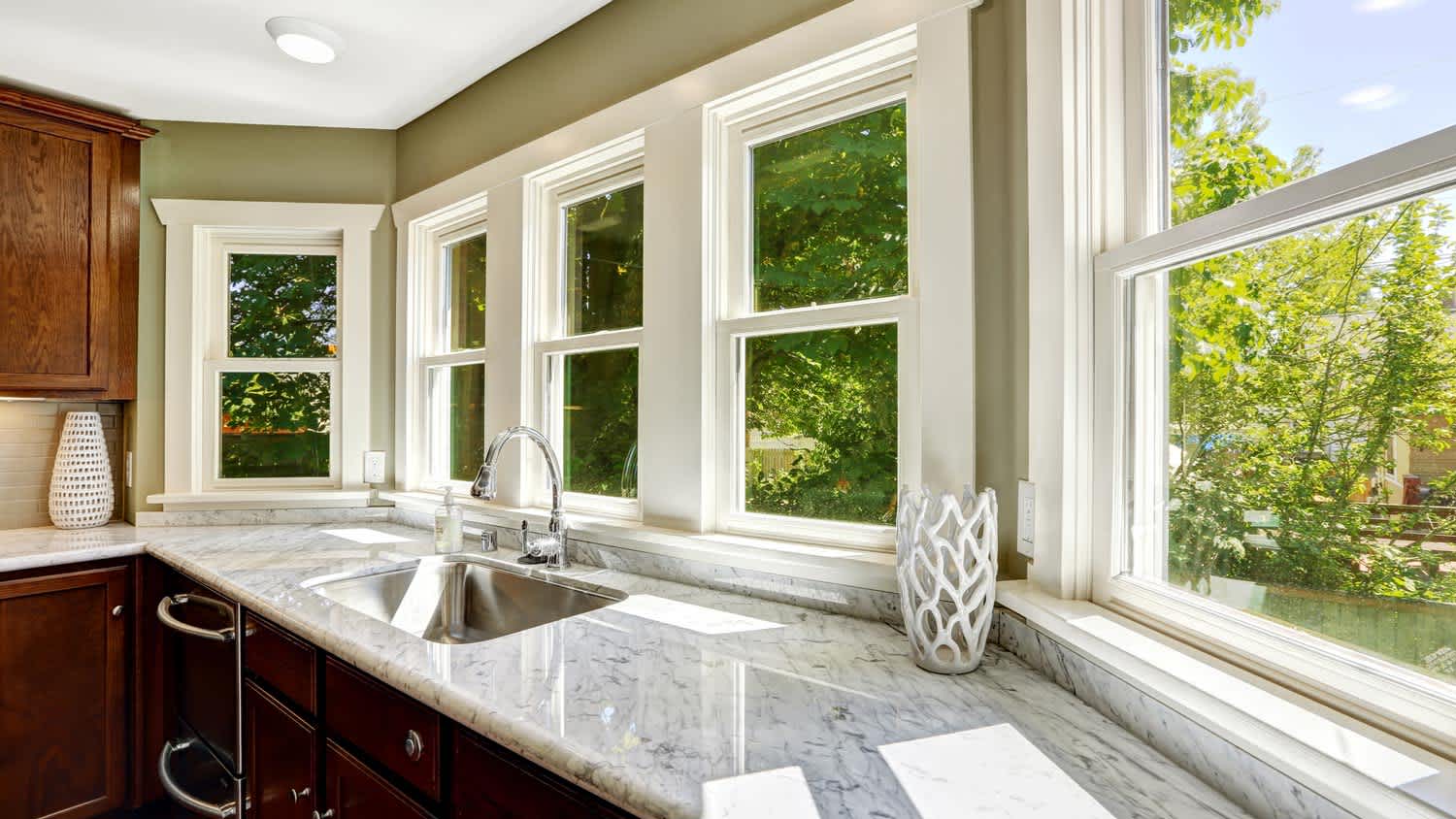
The most popular tint percentage for home windows is 35%. Generally, most homeowners choose a visible light transmission (VLT) between 50% and 35%, where lower numbers mean less sunlight enters the home. A 35% tint blocks over half the incoming light while still allowing plenty of natural light, which can improve energy efficiency and comfort. If privacy is a primary concern, you can opt for a tint of 50% or lower to make it more difficult for people to see inside. However, keep in mind that very dark, thick tints may offer fewer energy-efficiency benefits.
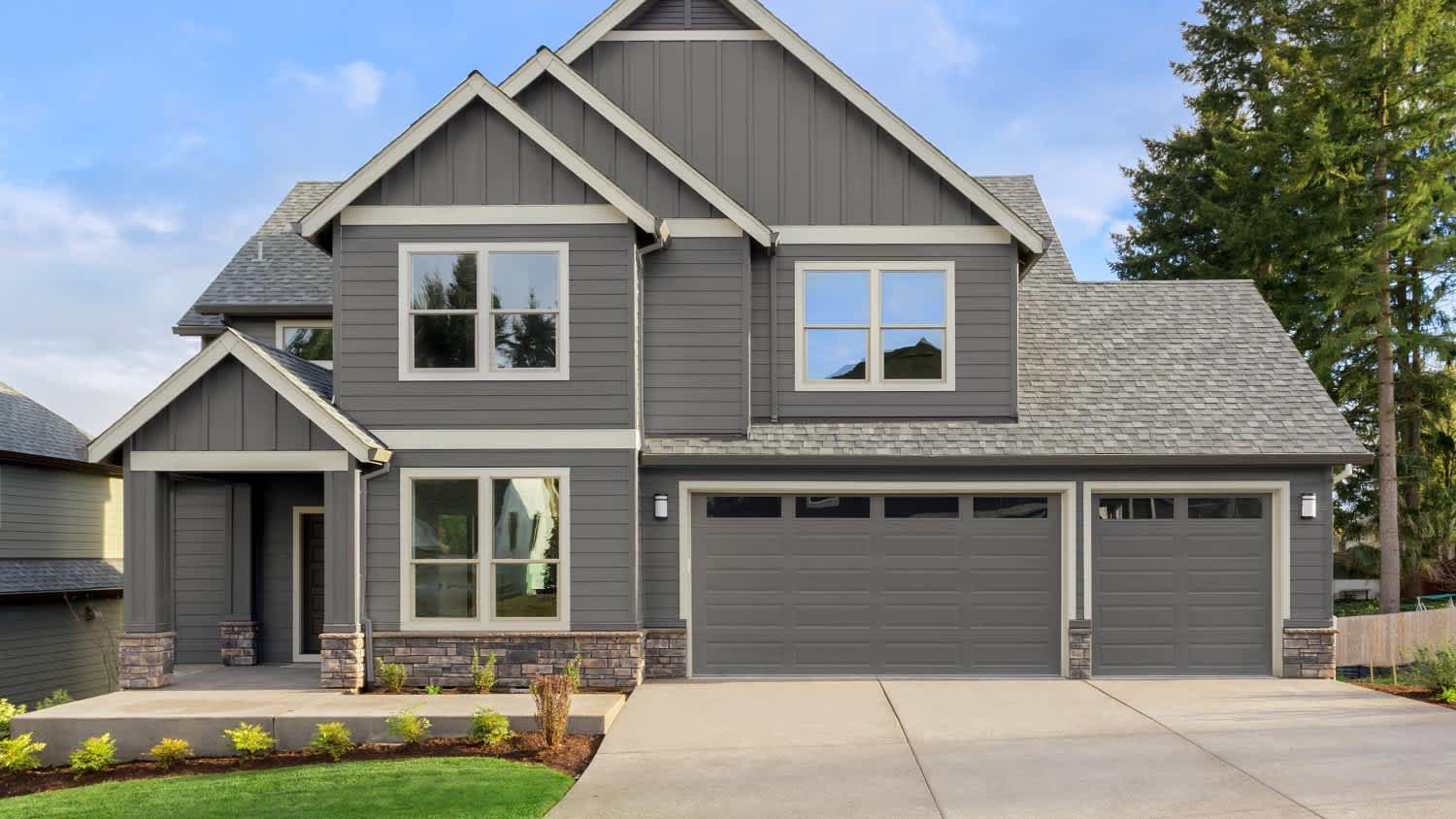
Unlike cars, there are no laws regulating window tint percentages on homes, so you can choose what you think is best. It is often a good idea to hire a professional, as they can show you samples of how different tint levels will look in your specific property, helping you make the right choice.

A lace curtain may block some of the biggest insects from entering while still allowing a breeze to get through. If your concern is privacy, then curtains and blinds will provide better privacy than window screens; for UV protection, you can choose specialty windows or UV-blocking film. And if you just want an inexpensive, temporary solution, there are adhesive or magnetic screen panels you can install for an hour, a day, or a season.

Energy-efficient windows are judged on their performance according to a few different factors, including heat transfer, air leakage, light transference, and condensation resistance. If you're unsure whether a window is energy-efficient, look for an ENERGY STAR® label from the U.S. Environmental Protection Agency (EPA). If various products, including windows, meet energy-efficiency standards set by the federal government, the EPA issues this label to help consumers identify energy-efficient products.

The Leon Valley, TX homeowners’ guide to window tinting services

From average costs to expert advice, get all the answers you need to get your job done.