





Top-rated insulation pros.

Best insulation pros near Lakehills, TX

Enter your zip and get matched with up to 5 pros

Need a pro for your insulation service project in Lakehills, TX?

Select your specific project to find the pro for you.

TRUSTED BY LAKEHILLS, TX HOMEOWNERS

  • Average homeowner rating star icon4.6
    Average homeowner rating
  • Verified reviews icon211
    Verified insulation services reviews

Top-Rated Insulation pros in Lakehills - Updated Nov 2026

Avatar for AHC Spray Solutions
AHC Spray Solutions
5.0(
18
)
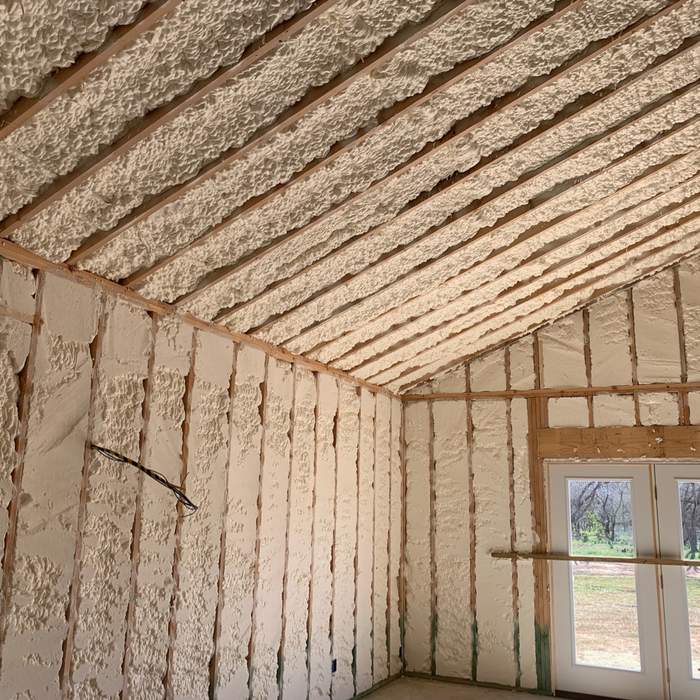
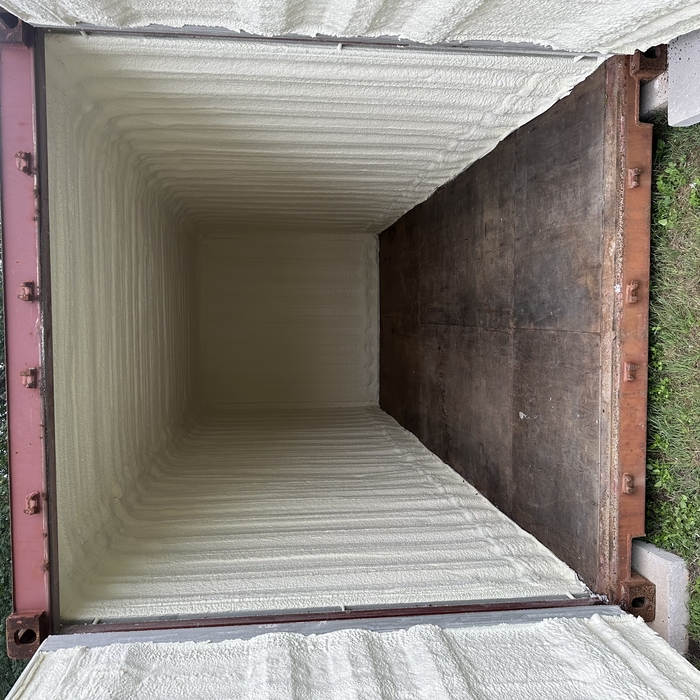
Injection Insulation - InstallSpray Foam Insulation - Install

Serving Lakehills, TX and surrounding areas

Approved

In business since 2018

Free estimates

Customers say: Quick response

"Very pleased with the customer service and the quality of work done by AHC Spray Solutions. The owner, Clint, was on time for his initial appointment and was efficient in evaluating the job and providing an immediate estimate to complete the work. The workers showed up to do the job on time and did the prep and post-job cleanup very well. I am pleased with the work and recommend AHC Spray Solutions to anyone needing spray foam insulation work. If I need another spray foam insulation job, I will call AHC."
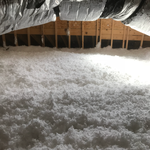
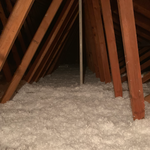
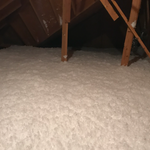
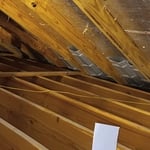
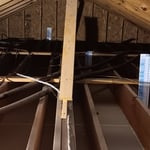
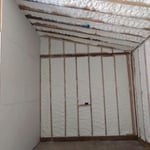
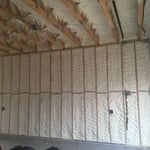
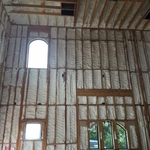
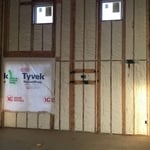
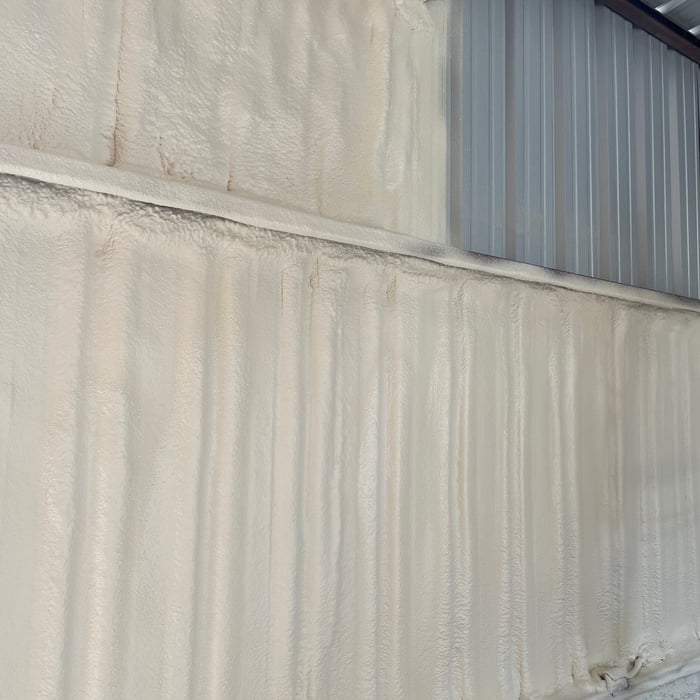
Open Cell Foam
Open Cell Foam
Open Cell Foam
Open Cell Foam
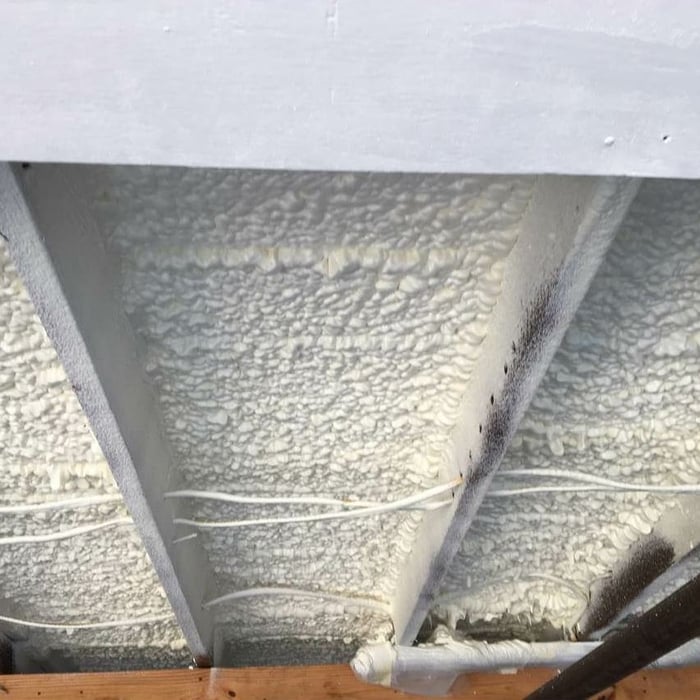
2" Closed Cell Foam Sub-floor

+15

Response time1 day
Recommended by100%of homeowners
Avatar for Hawx Insulation-San Antonio
Hawx Insulation-San Antonio
4.1(
361
)
Blown-In Insulation - Install or Upgrade

Serving Lakehills, TX and surrounding areas

Approved

In business since 2013

Free estimates

Credit card accepted

At Hawx Pest Control, our company is based on the belief that our customers' needs are of the utmost importance. Our team is committed to meeting those needs. Hawx Premium Pest Control will treat your pests, mosquitos, and more- then keep them away for good. If pests come back between treatments so will we, at no additional cost to you. We welcome the opportunity to earn your trust and deliver you the best service. No job is too big or too small for our experienced team. Call today for a quote. \n

Recommended by75%of homeowners
...
Showing 1-10 of 77
Insulation FAQs, answered by experts

To cover your HVAC ducts and air vents during construction, use plastic sheets or drop cloths secured with painter's tape. Be sure to cover all supply vents on your floors and walls, as well as the larger HVAC return vent, which is typically on the ceiling. While canvas drop cloths can also be used, they may not catch all the fine dust. It is crucial to shut off your HVAC system or at least the zone where construction is happening. Running the system with vents sealed can put significant strain on the blower motor and air handler. For additional dust containment, you can also hang plastic sheets over doorways to separate the construction area from the rest of your home.

The best type of insulation for your home depends on your specific needs, climate, and the area you are insulating. For new construction, structural insulated panels are a highly energy-efficient option that is easy to install during the building process. In very warm climates, reflective insulation can be a cost-effective choice. For cold climates, fiberglass is an excellent option due to its high R-value and resistance to settling over time. Spray foam works well in humid environments because of its moisture-resistant properties. For standard attics, loose-fill, spray foam, or blown-in insulation are all suitable options.

Insulation prevents heat transfer, which keeps your home cool in summer and warm in winter. Regulating the temperature in your home is not only more comfortable for you, but will lower your heating and cooling bills—it’s a win-win. Make sure to determine the correct amount of insulation to ensure it is enough for your home and climate.

Selling a house with spray foam insulation can be challenging due to concerns about improper installation or its compatibility with the home's structure. If not applied correctly, spray foam can cause issues such as moisture buildup, cracking, or damage to wiring and plumbing. If the insulation didn't cure correctly, there are also flammability concerns. Removing or repairing this type of insulation can pose risks as well.

The best time to insulate a garage ceiling is when the weather is mild and dry. That means it shouldn’t be stormy, snowy, or raining, and the temperatures should be comfortable. Ideally, you’ll insulate your garage ceiling in the fall, before winter hits. Not only will you be the most comfortable, but you’ll also likely see the greatest energy savings heading into the colder weather with a newly insulated garage.

The Lakehills, TX homeowners’ guide to insulation services

From average costs to expert advice, get all the answers you need to get your job done.