
Top-rated excavation pros.

Best excavation pros near Lake Worth, TX

Enter your zip and get matched with up to 5 pros

Need a pro for your excavation project in Lake Worth, TX?

Select your specific project to find the pro for you.

TRUSTED BY LAKE WORTH, TX HOMEOWNERS

  • Average homeowner rating star icon4.7
    Average homeowner rating
  • Verified reviews icon36
    Verified excavation services reviews

Top-Rated Excavation pros in Lake Worth - Updated Nov 2026

Sonart Construction Corp.
4.8(
245
)
Building Site - Preparation and ClearingBuilding Site - Preparation and Clearing - For BusinessLandscape - Minor Grading or Resloping

Serving Lake Worth, TX and surrounding areas

Approved

In business since 2013

Free estimates

Credit card accepted

"If you are looking for a solid construction company sonart is the way to go for sure! All I could say was wow aside from the fact that my mouth was completely open for a solid five minutes LOL! The house was built around the 50s and hasnâ t been updated since the original build. To see our bathrooms brought more to a modern the lights was honestly heartwarming I know my mother would have appreciated this!Thank you again guys for your hard work!"
Response time10 hrs
Response rate94%
Recommended by83%of homeowners

Avatar for Turf Rescue Hardscape & Landscape Design
Turf Rescue Hardscape & Landscape Design
4.3(
30
)
Landscape - Minor Grading or Resloping

Serving Lake Worth, TX and surrounding areas

Approved

In business since 2006

Free estimates

Emergency services offered

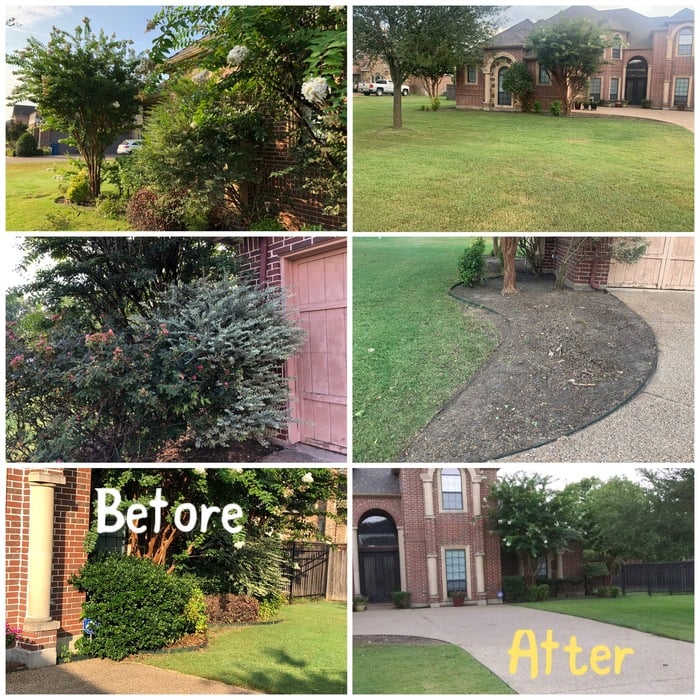
"The Turf Rescue team discussed our needs first, supplied an honest quote, worked fast and cleanly! We were thrilled with the outcome- trees trimmed, lawn mowed, flower beds cleaned out and readied for spring! Will use their services again!"
24 neighbors recently requested a quote
...
Showing 1-10 of 392
Excavating FAQs, answered by experts

Water lines are buried at various depths, depending on the type of line. For example, most sprinkler lines are buried between four and 12 inches underground. On the other hand, water mains usually sit between one and 3 feet below ground. However, they can go even deeper in cold climates to prevent freezing.

Trenchers can dig holes as narrow as 4 inches or as wide as 4 feet. Check the specifications of the trencher you rent or buy to determine how wide it will cut into the landscape. Better yet, let the excavation company know how wide you’d like the trench to be, and they can help you choose the right trencher for the job (or do it for you).

The best type of soil to build on is a mixture of sand and clay, known as loam soil. Loam soil has the best combination of these soil types to build a foundation on. The clay particles help with water retention, so it won’t erode like sandy soil might, and the sandy particles help with drainage, so you won’t see unsafe soil expansion or have an increased risk of leaks from water sitting against your foundation.

There are several methods to hollow out a tree stump, and the best one depends on your tools, experience, and priorities. Common methods include using a chisel and hammer, a chainsaw, or burning.

  • Chisel and Hammer: This is often considered the easiest approach for those with limited tools or experience, though it is the most time-consuming.

  • Chainsaw: Using a chainsaw is the fastest method, but it comes with significant safety risks, especially for inexperienced users.

  • Burning: This can be an effective method, but it is not recommended unless you can first drill holes into the stump. Without holes, the stump will be difficult to light and may not burn completely through.

A power drill with at least a ⅜-inch diameter bit can make the job quicker and easier, regardless of the primary method. While you can use a chisel or chainsaw without a drill, it will require more time and effort. Always wear protective goggles and thick gloves, as splinters are an inevitable risk.

There is no standard depth for burying a septic tank; they are typically buried anywhere from 4 inches to 4 feet underground. The final depth depends on several factors, including the depth of your main sewer line, the height of the bedrock, soil type, local regulations, and the property's landscape. If you plan to grow grass or plants over the tank, a depth of at least 4 to 6 inches is recommended. Deeper tanks can be more difficult to locate, but a septic professional can help find it for you.
The Lake Worth, TX homeowners’ guide to excavation services

From average costs to expert advice, get all the answers you need to get your job done.