






Top-rated excavation pros.

Get matched with top excavation pros in Hereford, TX

Enter your zip and get matched with up to 5 pros

Need a pro for your excavation project in Hereford, TX?

Select your specific project to find the pro for you.

Find Excavation pros in Hereford

Avatar for Precision Excavating LLC
Precision Excavating LLC
5.0(
3
)
Building Site - Preparation and ClearingBuilding Site - Preparation and Clearing - For BusinessExcavation - Major Grading or Resloping+2 more

Serving Hereford, TX and surrounding areas

In business since 2024

Free estimates

Credit card accepted

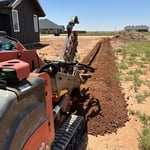
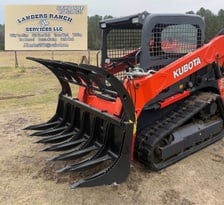
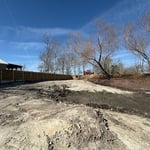
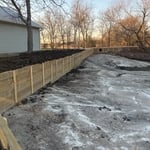
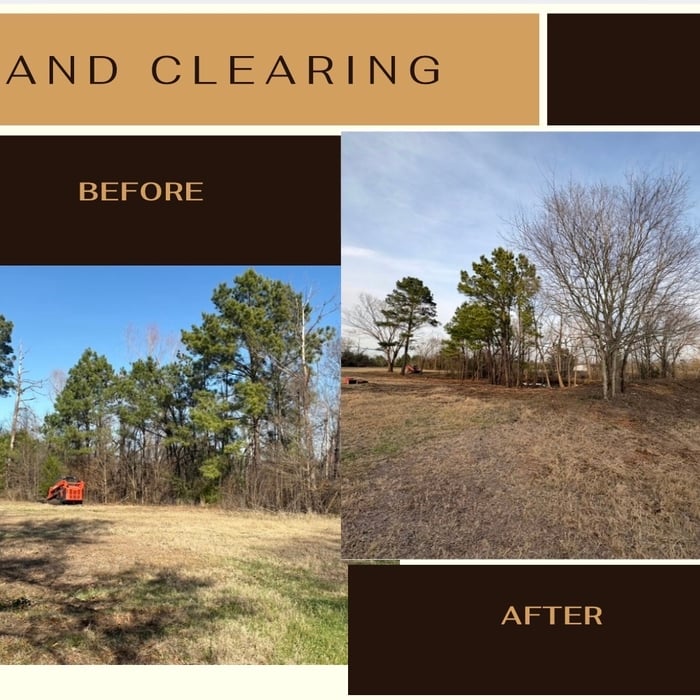
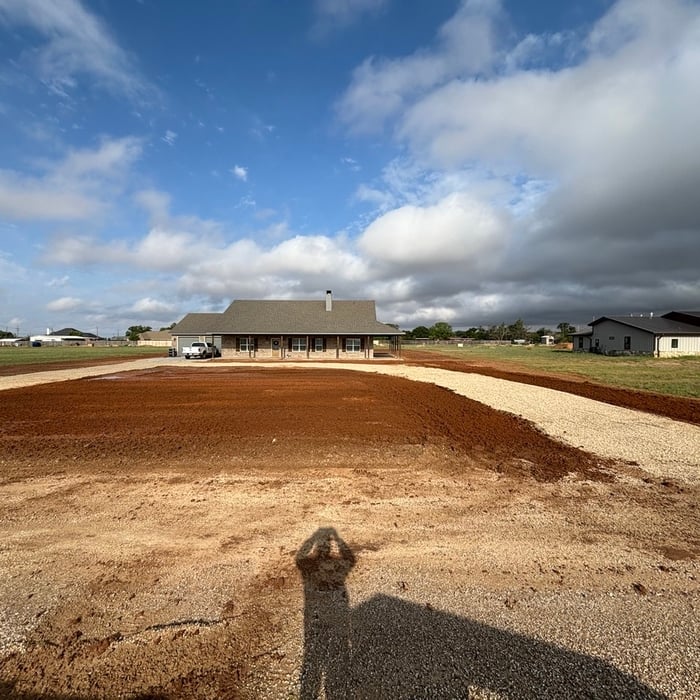
"We called Precision excavation in hopes to get our 5 acres cleared and graded before having a new fence put in, Daniel the owner was amazing to work with, he gave us fast responses, came out the next day for a free estimate, and really took care of and listened to what or view was for our yard. He was so informative and let us know exactly what we needed to get our yard looking amazing! Not only did he complete the tasks we were looking for but also helped us drill holes for new fencing to be put in, Thank you so much to Daniel and Precision Excavating for giving our home a new beautiful look and keeping us under our budget on the project we highly value your business and will recommend all to use your services!"
Ropesville TX
Ropesville TX
Ropesville TX
Idalou TX
Idalou TX

+1

Response time4 hrs
Response rate88%
Recommended by100%of homeowners
Showing 1-10 of 23
Excavating questions, answered by experts

Whether you grind or dig up and remove your tree stump depends on your landscaping goals. Using a stump grinder leaves the root system in place for it to decompose over time, whereas digging up the tree stump removes the roots and the stump. Overall, stump grinding is a far simpler process since you won’t need to deal with the roots. Stump removal will make your yard look like a demolition site, but you’ll have an easier time replanting in the same place as your former tree.

In the United States, a depth of 36 inches (three feet) for underground water lines is the accepted industry standard. This depth varies from location to location based on local conditions. In areas with colder winters, they may be buried deeper to prevent frozen well water pipes : This is usually at least six inches below the frost level. The International Plumbing Code calls for a minimum of 12 inches below grade.

There are several methods to hollow out a tree stump, and the best one depends on your tools, experience, and priorities. Common methods include using a chisel and hammer, a chainsaw, or burning.

  • Chisel and Hammer: This is often considered the easiest approach for those with limited tools or experience, though it is the most time-consuming.

  • Chainsaw: Using a chainsaw is the fastest method, but it comes with significant safety risks, especially for inexperienced users.

  • Burning: This can be an effective method, but it is not recommended unless you can first drill holes into the stump. Without holes, the stump will be difficult to light and may not burn completely through.

A power drill with at least a ⅜-inch diameter bit can make the job quicker and easier, regardless of the primary method. While you can use a chisel or chainsaw without a drill, it will require more time and effort. Always wear protective goggles and thick gloves, as splinters are an inevitable risk.

No, a ditch isn’t a trench. A ditch is an open, relatively shallow channel that’s carved out of the ground and used for drainage purposes. In contrast, a trench is a deeper excavation that’s entirely underground. Trenches have many uses, including gas lines, sewage systems, and electrical wiring. Unlike trenches, ditches don’t get filled back in with dirt after they’re dug.

Maintain open communication and address issues as they arise, ensuring contract terms cover potential delays.

The Hereford, TX homeowners’ guide to excavation services

From average costs to expert advice, get all the answers you need to get your job done.