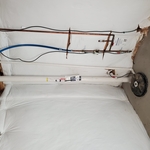
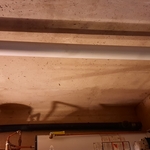
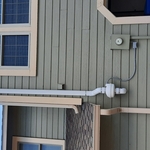
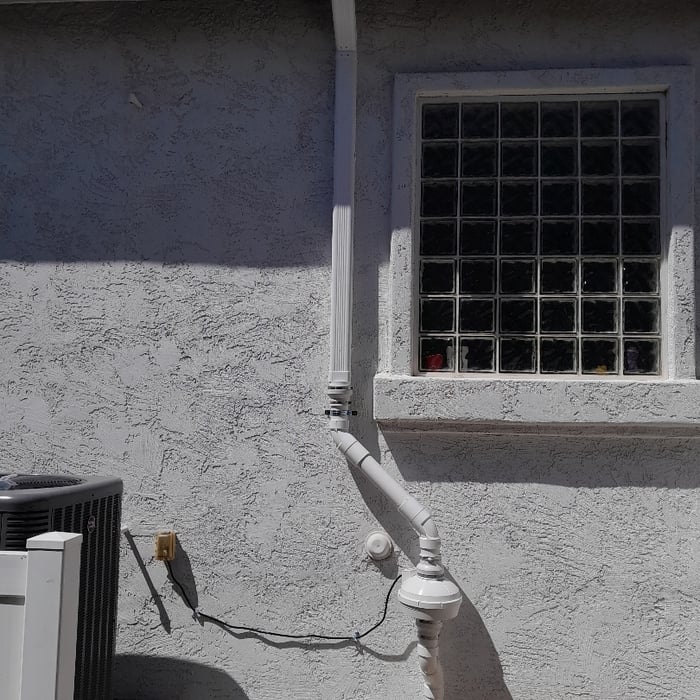
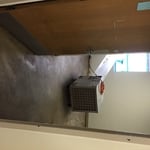
"They were prompt, efficient and courteous. They called to let me know they were on their way and cleaned up everything when they were done. They were supposed to explain something to me about some monitor after the installation, but they forgot. They did walk through how to do the radon test in another week. they also gave me a senior discount, which was definitely appreciated. Otherwise, their pricing was pretty much in the range with the other estimates I received."
"Lance was very professional and informative! He was very quick to fit us in to his schedule to test for toxic mold! He got the test results back quickly and gave us his recommendations within 24 hours! I highly recommend LoneStar Mold Testing."
"Zach Shipley of Clear Environmental took on the task of removing my extremely large inground swimming pool, filling the cavity and resodding the lawn. He and his crew were very professional in all aspects and he was very "hands-on" throughout the entire process. He was on-site for delivereies and to oversee the work and to keep me apprised of everything that was being done and how the job was progressing. It was a monumental job and he made it as painless as possible at a very competitive price. I would highly recommend Clear Environmental to anyone with a home or commercial project."
Radon Detection and Reduction FAQs, answered by experts
Your radon mitigation system may be loud because it’s time to replace it. Any sounds are usually from the inline fan that helps create the vacuum and resulting airflow. If you hear a new, loud mechanical or humming noise from your radon fan, it might be time to replace it. Most fans used in radon mitigation systems last up to 10 years, but may need to be replaced sooner.
The fan that pulls the radon out of the air needs to run continuously, so you may see an increase in your electric bill once you install the mitigation system. Additionally, you may see an increase in your heating or cooling bills, as the fan can cause some loss of hot or cool air.
The natural breakdown of uranium in soil, rock, and water can cause radon to appear in a home. The gas seeps into homes through cracks in foundations, walls, or floors, as well as through gaps around pipes or construction joints. Radon levels are influenced by soil composition, building materials, and ventilation. Poorly sealed or airtight homes can trap radon, allowing it to accumulate.
There are steps you can take as a homeowner to remediate radon yourself. While a radon reduction professional can make the biggest impact in your home, you can make efforts to improve radon levels on your own by sealing cracks, increasing ventilation, and testing for radon regularly.
Radon is a cancer-causing radioactive gas that poses serious health risks, infiltrating homes through foundation cracks and unnoticed spaces.
The El Campo, TX homeowners’ guide to radon detection and reduction services
From average costs to expert advice, get all the answers you need to get your job done.
Get clear answers on how much radon remediation costs, including average prices, key cost factors, and tips to save money on your home’s radon mitigation.
Find out what impacts radon testing costs, including average prices for DIY kits and professional services, so you can protect your home and budget confidently.
Radon is a gas that you can't see or smell and is harmful to your health. If your home has radon, you need to know who installs radon mitigation systems.