




Top-rated bird control service pros.

Best bird control service pros near Diana, TX

Enter your zip and get matched with up to 5 pros

Need a pro for your bird control service project in Diana, TX?

Select your specific project to find the pro for you.

TRUSTED BY DIANA, TX HOMEOWNERS

  • Average homeowner rating star icon4.7
    Average homeowner rating
  • Verified reviews icon67
    Verified bird control services reviews

Top-Rated Bird control service pros in Diana - Updated Nov 2026

East Texas Pest Control Services Route #2
New to Angi
Pest Control - Birds and Bats

Serving Diana, TX and surrounding areas

In business since 2020

Free estimates

Credit card accepted

East Texas Pest Control Services Route #2 is committed to excellence every aspect of our business. We uphold a standard of integrity bound by fairness, honesty, and personal responsibility. Our distinction is the quality of service we bring to our customers. Accurate knowledge of our trade combined with ability is what makes us true professionals. Above all, we are watchful of our customers' interests and make their concerns the basis of our business. Call us today!

Avatar for Top Line Pest Control
Top Line Pest Control
New to Angi
Pest Control - Birds and BatsPest Control - Birds and Bats - For Business

Serving Diana, TX and surrounding areas

Free estimates

Credit card accepted

Offers commercial services

If you’re dealing with pests in your home or business in Tyler, TX, or surrounding East Texas areas, Top Line Pest Control is here to help! Our expert team specializes in safe and effective pest control solutions to eliminate common pests like ants, roaches, termites, spiders, bedbugs, and rodents. Whether you're facing a current infestation or want to prevent future problems, we offer tailored pest management services to ensure your home and business remain pest-free.

Bird Control FAQs, answered by experts

When woodpeckers start banging on your walls or roof, they are probably looking for insects to eat, storing nuts for winter, drilling a hole to make a nest, or communicating with other birds to establish territory or find a mate.

The size of the hole can help determine the reason for the pecking. Small irregular holes are a result of insect hunts. Acorn holes are more consistently sized and often fitted with a nut in the middle. Nest holes are large and have rounded edges. If the bird is pecking to mark its territory or attract a mate, it may leave dents rather than holes, and the noise will stop when the mating season starts in spring.

An owl's worst enemy in the wild is often other raptors and environmental factors. Among the avian threats, larger owls or other birds of prey can pose a danger, engaging in territorial disputes or competing for food resources. Terrestrial predators like foxes, raccoons, and larger mammals may target owl nests or young fledglings. Environmental factors like severe weather conditions, habitat loss, and food availability changes can also significantly impact owl populations.

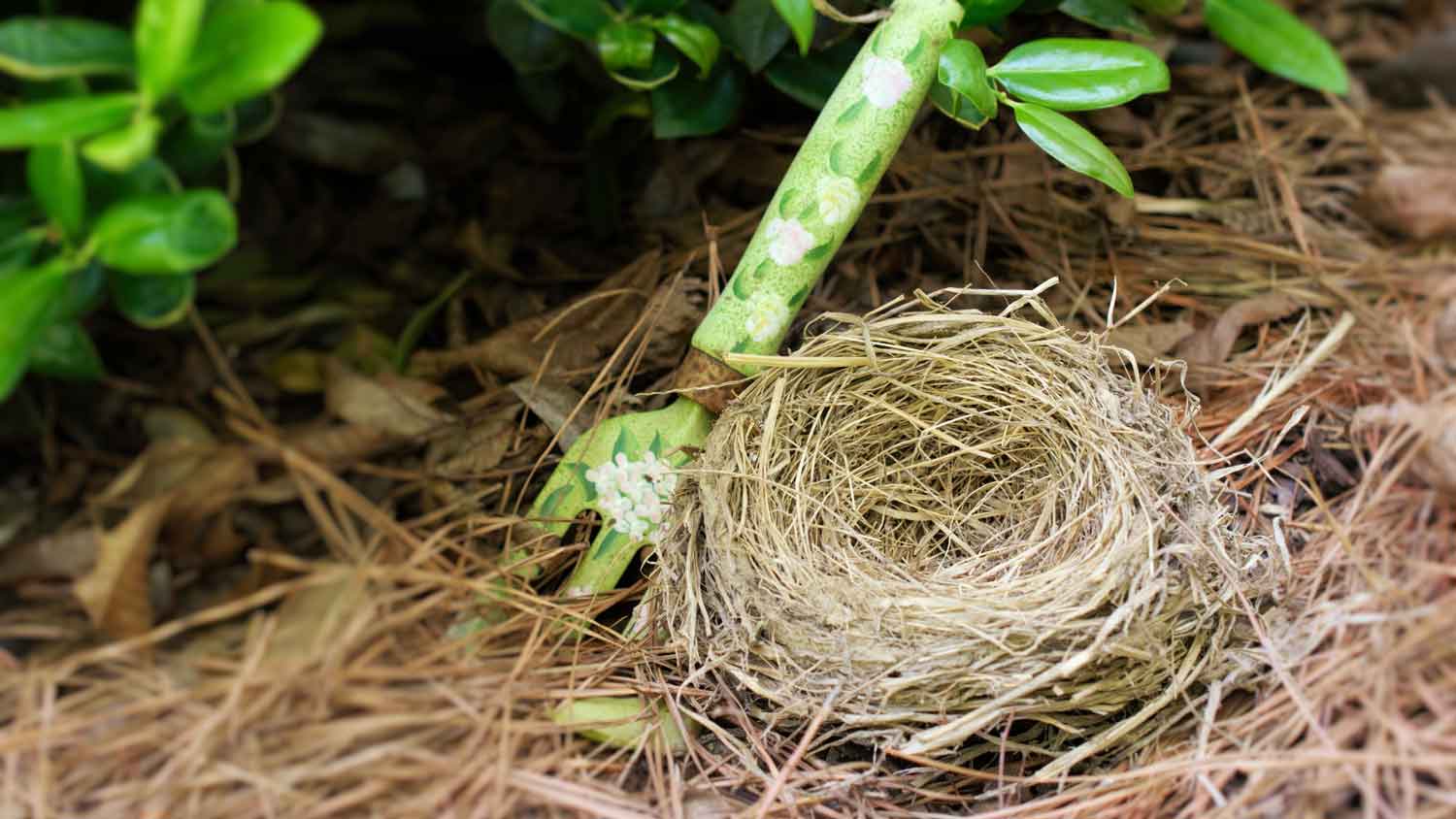
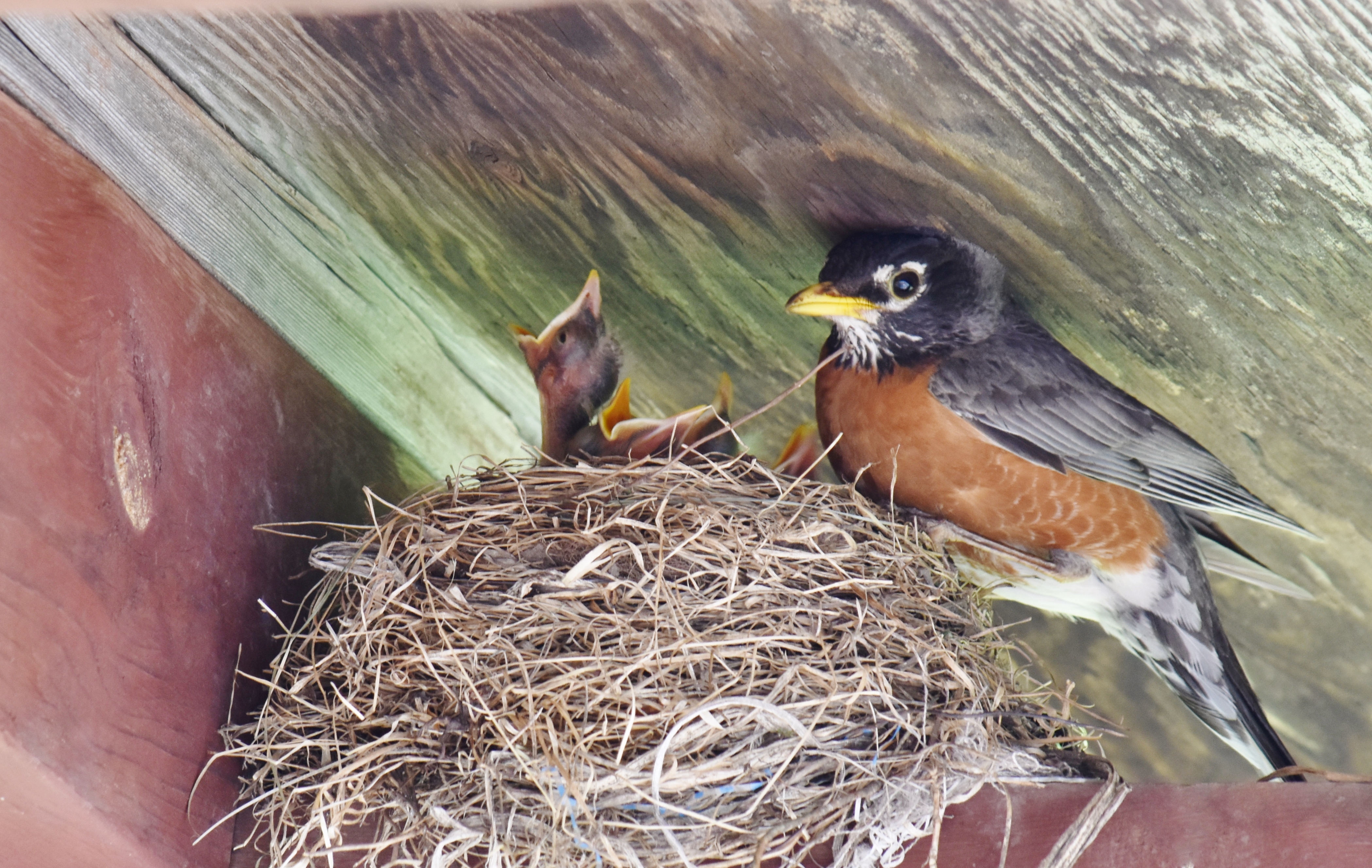
The lifespan of a bird's nest depends on the species. The building process can take from two days to three weeks. Once built, the nesting period for baby birds can last from two to ten weeks before they leave the nest. While most young birds are ready in two to six weeks, some predatory species may need up to two and a half months. Some species nest four to five times per year, so a nest could remain in use for several months. For specific information about a particular nest's longevity, it is best to consult a wildlife professional.

It's advisable to avoid using harmful methods to eliminate birds. Poisoning birds is inhumane and can have unintended ecological consequences, affecting other wildlife and pets. Similarly, using firearms or other lethal means poses safety risks and could be illegal in many areas. Sticky substances like adhesives can cause birds to become trapped and injured. Lastly, playing excessively loud or distressing noises can stress birds and humans. Focusing on humane and environmentally responsible strategies is essential when dealing with bird issues.

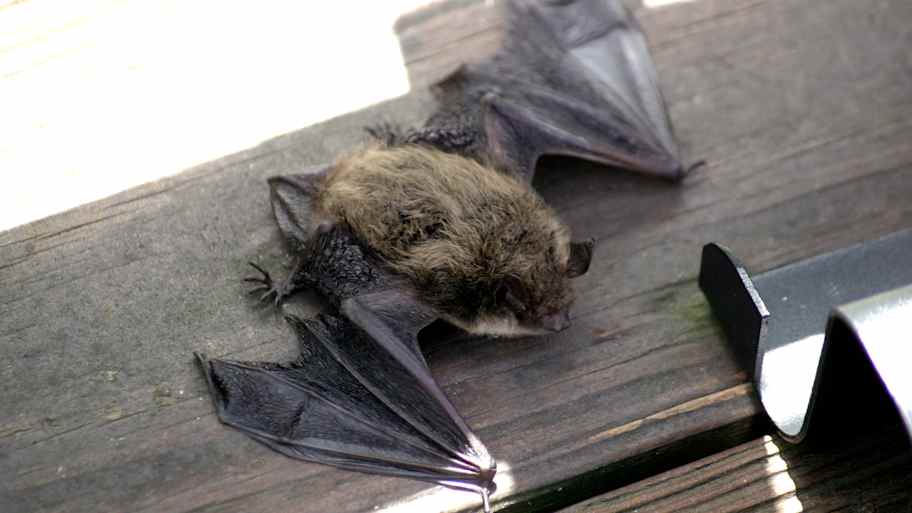
Certain strong smells may help repel bats, though this is not a foolproof method and is best used in conjunction with other deterrence strategies. Scents like peppermint oil, eucalyptus, cinnamon, cloves, and mint are often suggested as natural remedies. To create a spray, you can mix two cups of warm water with half a cup of sugar and a few drops of your preferred essential oil. Apply this mixture using a spray bottle to possible entry points and throughout the affected area, such as an attic. While this home remedy is popular, evidence supporting its effectiveness is limited.

The Diana, TX homeowners’ guide to bird control services

From average costs to expert advice, get all the answers you need to get your job done.