







Top-rated deck maintenance specialists.

Get matched with top deck maintenance specialists in Coleman, TX

Enter your zip and get matched with up to 5 pros

Need a pro for your deck maintenance project in Coleman, TX?

Select your specific project to find the pro for you.

Find Deck maintenance specialists in Coleman

Avatar for Pressurewashtx.Com
Pressurewashtx.Com
5.0(
6
)
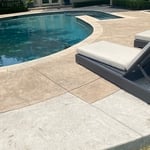
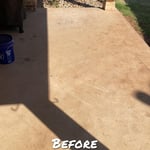
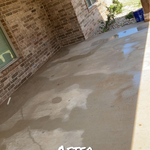
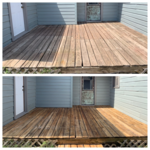
Deck, Fence, Patio or Porch - Clean and SealDeck, Fence, Patio or Porch - Clean and Seal - For Business

Serving Coleman, TX and surrounding areas

In business since 2011

Free estimates

Credit card accepted

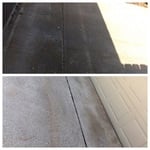
"Great! They arrived at the time they promised. They were careful around my shrubs. The brick and siding of the house looked great and I was shocked at the difference having the driveway pressure washed made. I have asked them to contact me every 6 months to have it done again."
Additional Photos
Additional Photos
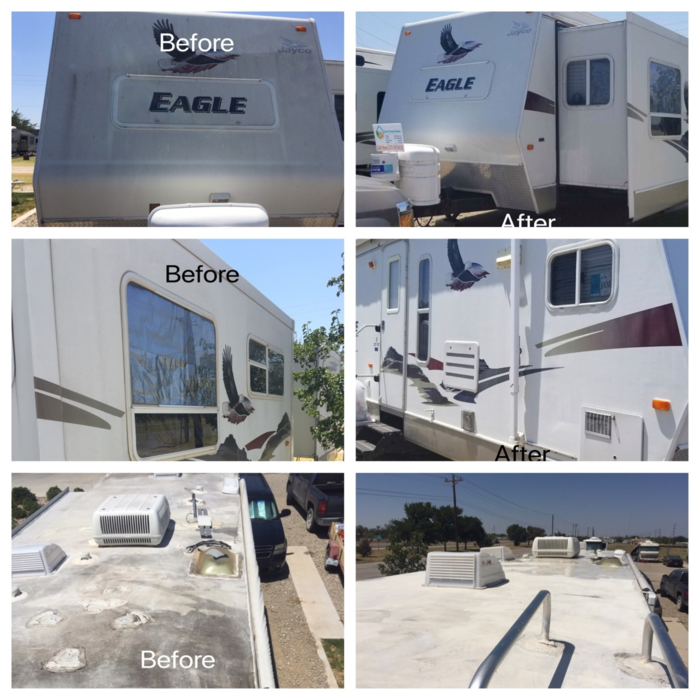
RV Cleaning
RV Cleaning
Additional Photos

+12

Recommended by100%of homeowners
E-Z Home and Lawn
5.0(
3
)
Deck, Fence, Patio or Porch - Clean and SealDeck, Fence, Patio or Porch - Clean and Seal - For Business

Serving Coleman, TX and surrounding areas

In business since 2019

Free estimates

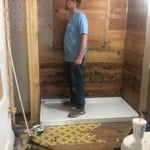
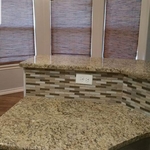
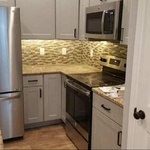
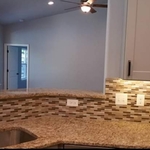
"Jim did an extensive remodel on a rent house for us. He gave good advice and was talented enough to handle all the projects including plumbing, electrical, ceiling fans, window install, door and jam replacement, new shower where used to be a tub, painting and texturing. Always responded to calls or texts and asked questions when something popped up we hadn t discussed. Worked hard and had some workers who were similarly diligent. It was a good experience for us and that isn t always the case with everyone you hire."
Kitchen update
Kitchen New home
Kitchen
Kitchen
Kitchen

+37

Response time2 days
Recommended by100%of homeowners
Showing 1-10 of 27
Deck Maintenance questions, answered by experts

Most building codes require that railing spindles (also known as balusters) on decks or stairs be spaced no more than four inches apart. This safety standard is often called the '4-inch sphere rule,' which means a sphere with a 4-inch diameter should not be able to pass through the opening between balusters. This rule is in place to prevent small children and pets from slipping through the railing. For the same reason, the space between the bottom rail and the deck or floor surface should also be no more than four inches. As a general guideline, professionals often install three balusters per foot of railing. However, since specific requirements can vary by location, it is essential to check your local building codes to ensure compliance before starting your project.

The best base materials for a ground-level or floating deck are typically gravel and crushed stone (also known as landscaping rocks). These options are inexpensive, provide excellent drainage, prevent weeds, and help minimize moisture buildup, which reduces shifting and rotting. For added stability and to evenly distribute the weight, you can use concrete deck blocks or pavers. While more expensive, concrete blocks and pavers offer a sturdier base than gravel or crushed stone alone.

You do not have to dig footers for a deck as long as it meets local code and holds up to weather in your area. If you live somewhere that experiences high winds and earthquakes, you may need to dig for your deck posts. Deck blocks, post anchors with base plates, and helical pile systems are the three no-dig deck post options you can choose from if local code permits.

Cutting the boards directly is one of the fastest ways to remove deck boards with hidden fasteners. Mark two parallel lines that are one-third of the total measurement on both ends and cut out the centerpiece. Then, remove the end of the board that doesn’t have a fastener. Finally, pry open the fastened side and pull it up to pop out the screw or access the fastener. This also allows you to salvage portions of boards for other projects.

The overhang, or nosing, of deck steps is another area that will be covered in building code requirements. The noses on your deck steps should have a minimum overhang of ¾ inch. For safety, usability, and code compliance, the nosing of deck steps should not extend past 1¼ inches.

The Coleman, TX homeowners’ guide to deck maintenance services

From average costs to expert advice, get all the answers you need to get your job done.