Top-rated leaf removal pros.

Best leaf removal pros near Blooming Grove, TX

Enter your zip and get matched with up to 5 pros

Need a pro for your leaf removal project in Blooming Grove, TX?

Select your specific project to find the pro for you.

Top-Rated Leaf removal pros in Blooming Grove - Updated Nov 2026

Avatar for Sanchez roll offs
Sanchez roll offs
5.0(
2
)
Waste, Junk, Building Materials and Debris - Remove and Haul

Serving Blooming Grove, TX and surrounding areas

Approved

Free estimates

"This company made our cleanup project so much easier. Scheduling was simple, the dumpster was clean, arrived exactly when promised, and pickup was just as reliable. Professional, responsive, and reasonably priced. It?s rare to find a company that does exactly what they say they?ll do, but this one exceeded expectations. I highly recommend this company and will definitely use them again!"
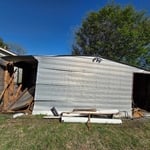
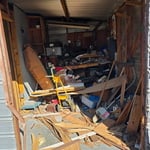
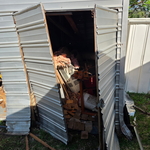
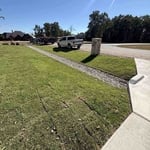
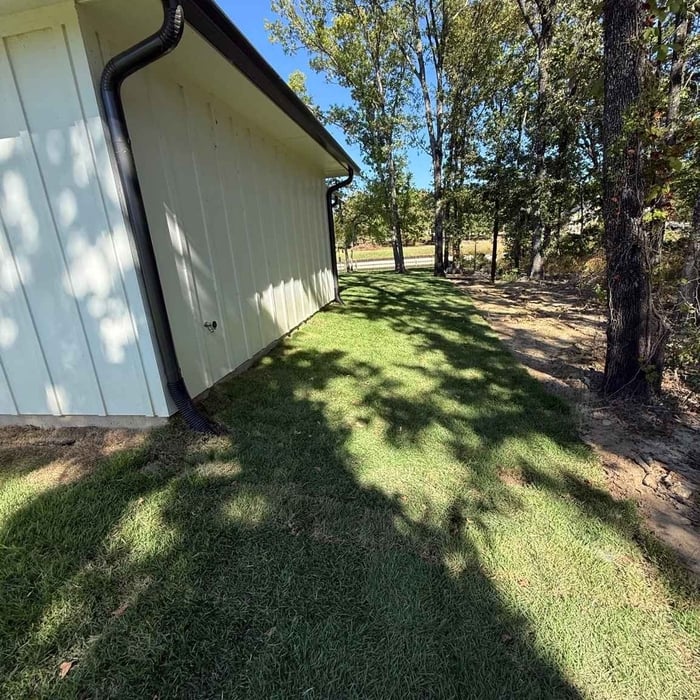
Project Photos
8 neighbors recently requested a quote
...
Showing 1-10 of 236
Leaf Removal FAQs, answered by experts

Household products such as paints, cleaners, oils, and batteries are considered hazardous and should not be disposed of with regular household waste. Instead, look for local household hazardous waste collection facilities where you can safely dispose of these items without harming the environment or human health.

Lead removal is crucial in older homes to eliminate risks of lead poisoning, which can severely affect health, particularly in children, by impacting development and cognitive functions.

Hazardous waste is waste that poses a threat to human or environmental health. This generally refers to waste that is flammable, corrosive, toxic, or reactive. To confirm if the waste you need to remove is considered hazardous waste, contact your local hazardous waste facility.

According to the Environmental Protection Agency (EPA), hazardous waste is generally classified into four main categories:

1. Characteristic Wastes: These exhibit at least one of four hazardous traits: ignitability (flammable, like gasoline), corrosivity (can rust or decompose materials, like car batteries), reactivity (unstable and can explode, like aerosol cans), or toxicity (harmful when ingested, like lead-based paint).

2. Listed Wastes: These are specific wastes from manufacturing and industrial processes that the EPA has officially designated as hazardous. They include byproducts from processes that use solvents, pesticides, and other chemicals.

3. Universal Wastes: These are commonly generated hazardous items that are subject to streamlined regulations. Examples include batteries, pesticides, mercury-containing equipment (e.g., bulbs), and some lamps.

4. Mixed Wastes: This category includes waste that contains both hazardous and radioactive components, making it subject to regulation by both the EPA and the Nuclear Regulatory Commission.

Disposing of old paint, bleach, oil, and fertilizer should be handled by a company that specializes in this kind of waste. Many private junk removal companies do not dispose of these items. Because these materials are hazardous to the environment and dangerous to handle or dispose of improperly, you should confirm with your local municipality about places to take hazardous materials for safe disposal. 
The Blooming Grove, TX homeowners’ guide to leaf removal services

From average costs to expert advice, get all the answers you need to get your job done.