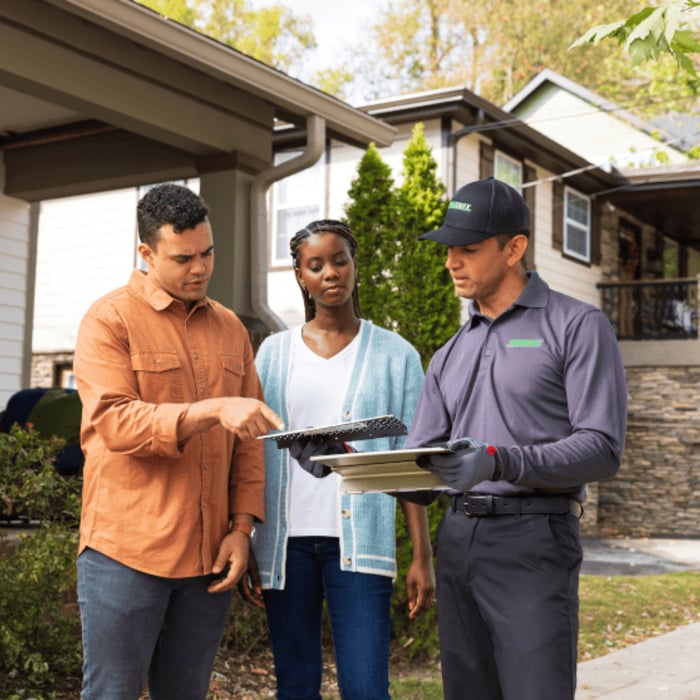
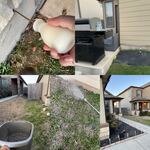
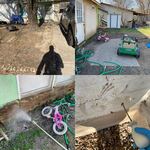
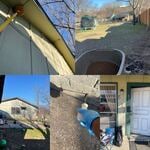
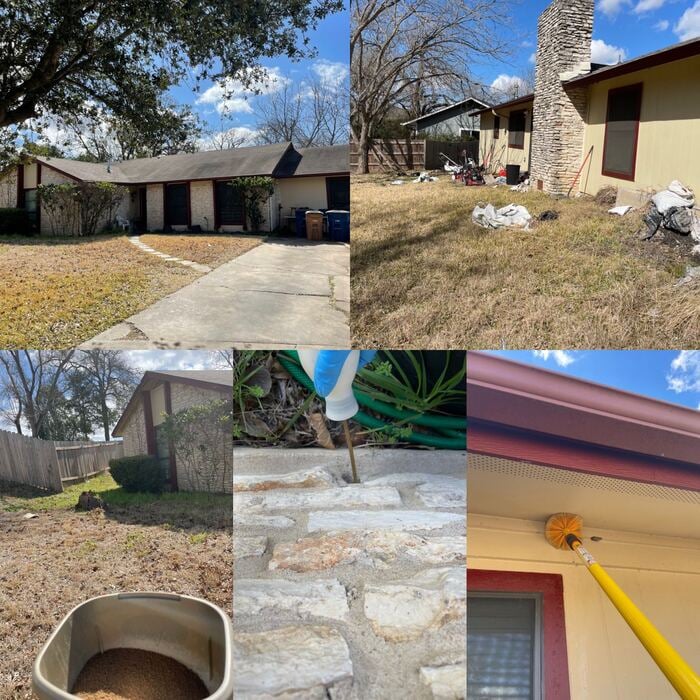
"Very knowledgeable guy who seem to know what he’s doing. Don’t know results of spraying. Have had much rain since. Will have to see if it worked. Terminex will spray again the beginning of next month."
"United Air Temp was able to procure a replacement furnace controller board in a couple of days and Zachary was out within 4 days of the initial visit. The furnace now works very well."
You can get rid of raccoons quickly by making your home an undesirable place to live. Here are the best ways to get rid of raccoons fast:
Repair broken vents and screens leading to your home.
Seal open access points into your home. Many raccoons sneak in through the attic, roof, or chimney.
Trim trees and branches so raccoons don’t have easy access to your roof and chimney.
Thoroughly clean out garbage cans, remove all trash, and secure the bins.
Don’t keep food or water outside.
Add raccoon guards to outdoor bird feeders.
Clean up brush around your home—raccoons like to gather loose yard materials for bedding.
Seeing one mouse in your home doesn’t always indicate a full-blown infestation. However, it’s very likely that if you see one, there are more lurking around. Even if you suspect that a mouse sighting is an isolated incident, it’s important to take it seriously. One mouse will inevitably lead to more if you don’t take the proper measures to eliminate the problem.
While pressure-treated wood offers extra protection against decay and insects, it’s not entirely immune to termites. These pests can still snack on treated wood, so if you spot them, be ready for termite treatment costs that range anywhere from $73 to $1,730. However, your final price ultimately depends on how bad the infestation is and the treatment method. To keep your deck and home safe, regular inspections and preventative measures — like sealing gaps around the home and installing screens on doors and windows — are essential to protect your home, saving you from costly repairs in the future.
Heat is the most effective instant killer of bed bugs. Exposing them to temperatures above 131 degrees Fahrenheit for over an hour can eliminate them. Methods like steam cleaners and using a dryer on high heat are effective for this. Other options that can kill bed bugs on contact include EPA-approved pesticides, bleach, disinfectant sprays with alcohol, diatomaceous earth, and hydrogen peroxide. While freezing can work, it is not an instant solution, as it can take several days at 0 degrees Fahrenheit to be effective. Keep in mind that many DIY treatments won't reach bed bugs hidden in cracks or behind walls. For severe infestations or the most effective results, it is best to hire a professional exterminator for a professional heat or chemical treatment.
You can make a DIY flea trap to attract and get rid of fleas naturally without pesticides. This trap uses soapy water with a light nearby to attract the fleas to it. They will jump into the soapy water and are not able to get back out of the trap. However, flea infestations can get out of hand quickly, so you will want to take action as soon as possible and call in a pest control pro if the problem persists.
The Batesville, TX homeowners’ guide to pest control services
From average costs to expert advice, get all the answers you need to get your job done.