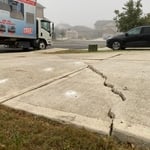
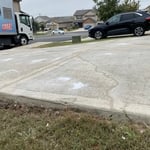
"Level existing concrete driveway I can't say enough good things, from the front office to the field technicians. Justin and Austin were polite, very informative and skilled at what they did. We couldn't be happier with the end result. They will be highly recommended. Ronnie and Linda"
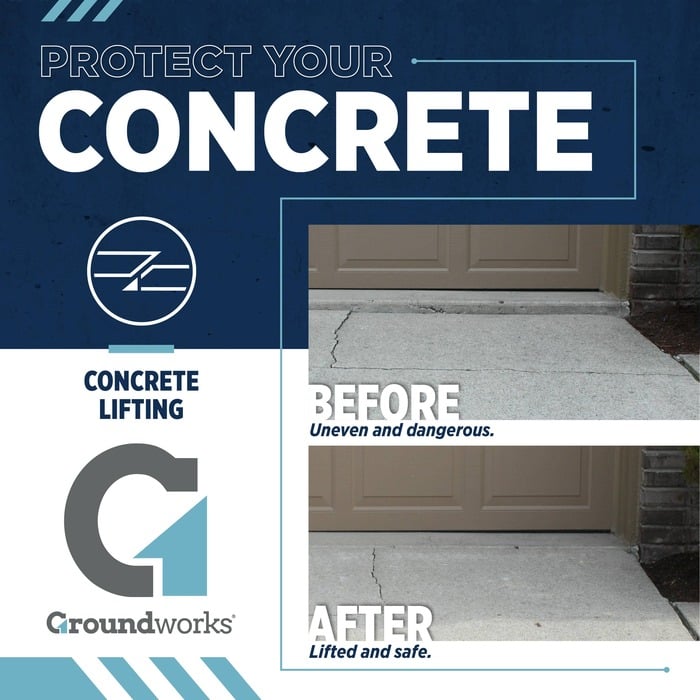
"We had sinking concrete both in our sidewalk and driveway panel next to the garage apron. We hired Baird to do the repairs, including also sealing all of the driveway expansion joints. The results of this job exceeded our expectations and couldn't have asked for anything better. The team was very personable, professional and were happy to explain and demonstrate every step of the way. Highly recommend Baird."
CW Custom Builders is a high-quality residential and commercial construction company serving Central Texas. We handle all phases of construction—from new builds to remodeling and additions—while priding ourselves on a foundation of honesty and integrity. Call today to get your project underway 830-391-9897.
"Mr. Ed Wise at E-Tex Foundation Repair in Gladewater, Tx (903-331-3278) said the procedure would take a total of three days, told me everything that needed to be done, and kept in touch. He called the day before to tell me they were coming out the next morning. He and the crew were very friendly, and worked quickly, efficiently, and professionally. After digging out four pier holes, they laid cement and left it to dry through the next day. He called the next day and let me know when they were coming out on the third morning. They arrived on time and jacked the slab to re-level and shimmed with solid concrete blocks and plate steel shims. Ground areas that had been lost were filled in with dirt and well-packed, and concrete pieces and dirt stabilized my driveway. Everything was cleaned up from the work area, and I was extremely happy with the results. I would recommend this company of very friendly, very competent people to everyone I know. With the work guaranteed (with a transferable warranty) for 30 years, I have nothing but the best to say about the people and the services rendered. Excellent communication from Mr. Wise beginning with my first email to the company for a bid through the completion of the job! "
We are among the few certified to provide services under license #20238.\nWe are not limited to building and repairing basements in areas only with perfect soil.\nWe have provided hard-to-find services in every part of the state.\nBuilding on dirt, sand, clay, rock, or caliche soil, we can help.\nIn the state of Texas, we are truly The Basement Kings\nNote: we also offer services in Oklahoma!
"Great experience with a very professional crew. The work of fixing my front sidewalk and driveway was completed quickly, on time, and looks great now! Thanks to Jackie and Ryan, who did the repair work. They were friendly, efficient, and quickly completed all the work needing to be done. They answered all my questions. I would go to Baird Foundation Repair without hesitation for any future foundation or concrete work, if the need develops. I'll be recommending Baird to all of my neighbors and friends. Oh, and the cost of the work being done actually came in a little under what I was expecting, which was a very nice surprise!"
Southern Hospitality Fencing is locally owned and operated for over 2 years. We specialize in fencing, landscaping, tree trimming, and concrete work.Our work ethic and dedication to our customers is hands down amazing! When it comes to fencing you will see that we believe in quality. Our fences are built with longevity in mind and come with a warrranty. Call us today for your free consultation.
Rodriguez Concrete has become a staple of professionalism and quality work in Ulvade, TX for years. With 12 years of experience, there is no job too large or small for our team. Call today to schedule an estimate.
I’m a concrete contractor that’s very responsible and hard working as well, I will always be on the job site doing most of the work with my workers so my clients will be satisfied or they have any questions about the project. I’ll be there 100% to answer and to correct or to do changes they were like.
Concrete Mudjacking questions, answered by experts
Many contractors offer warranties for their work. Confirm terms before starting the project.
Costs range from $500 to $1,500, depending on the size and condition of the area.
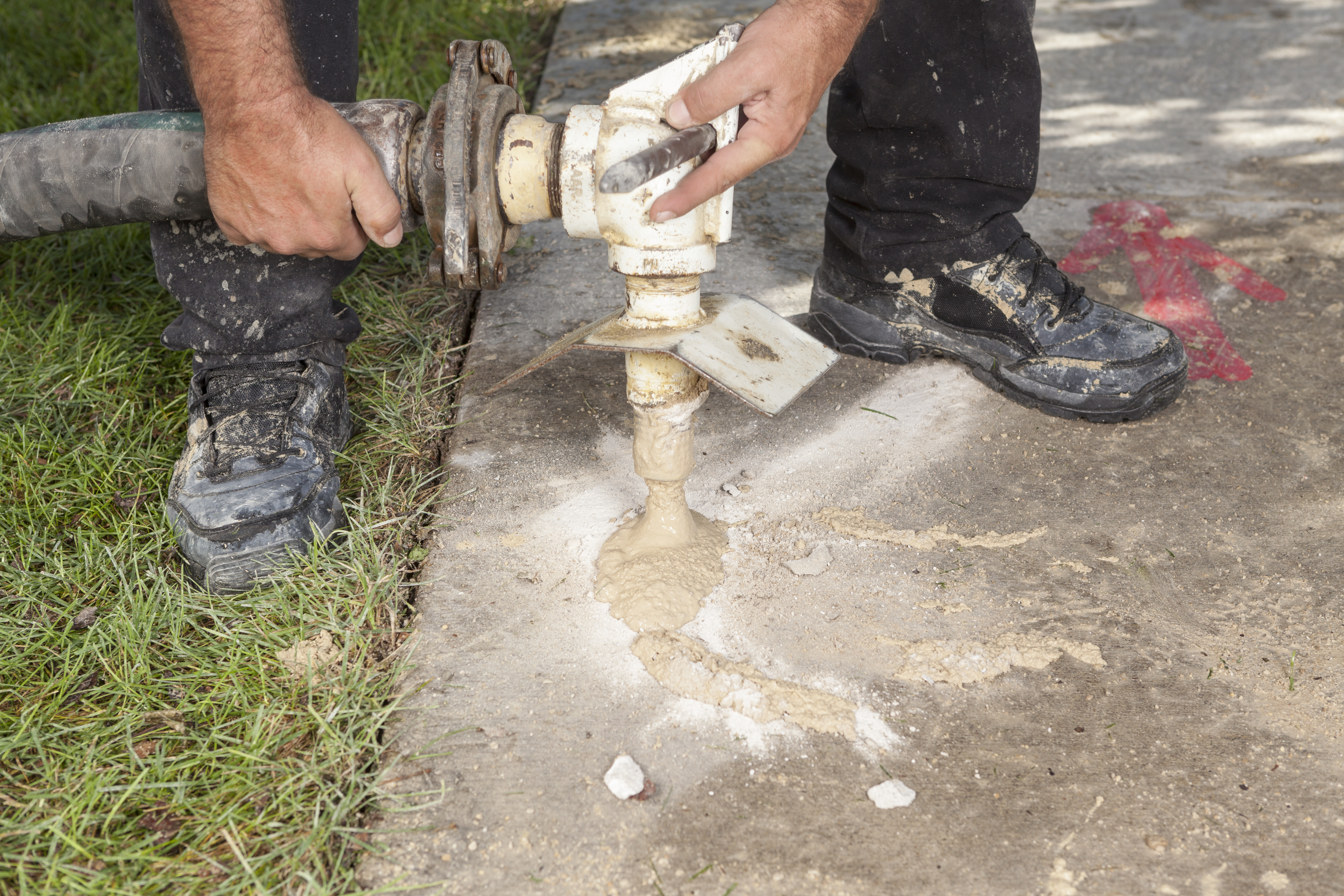
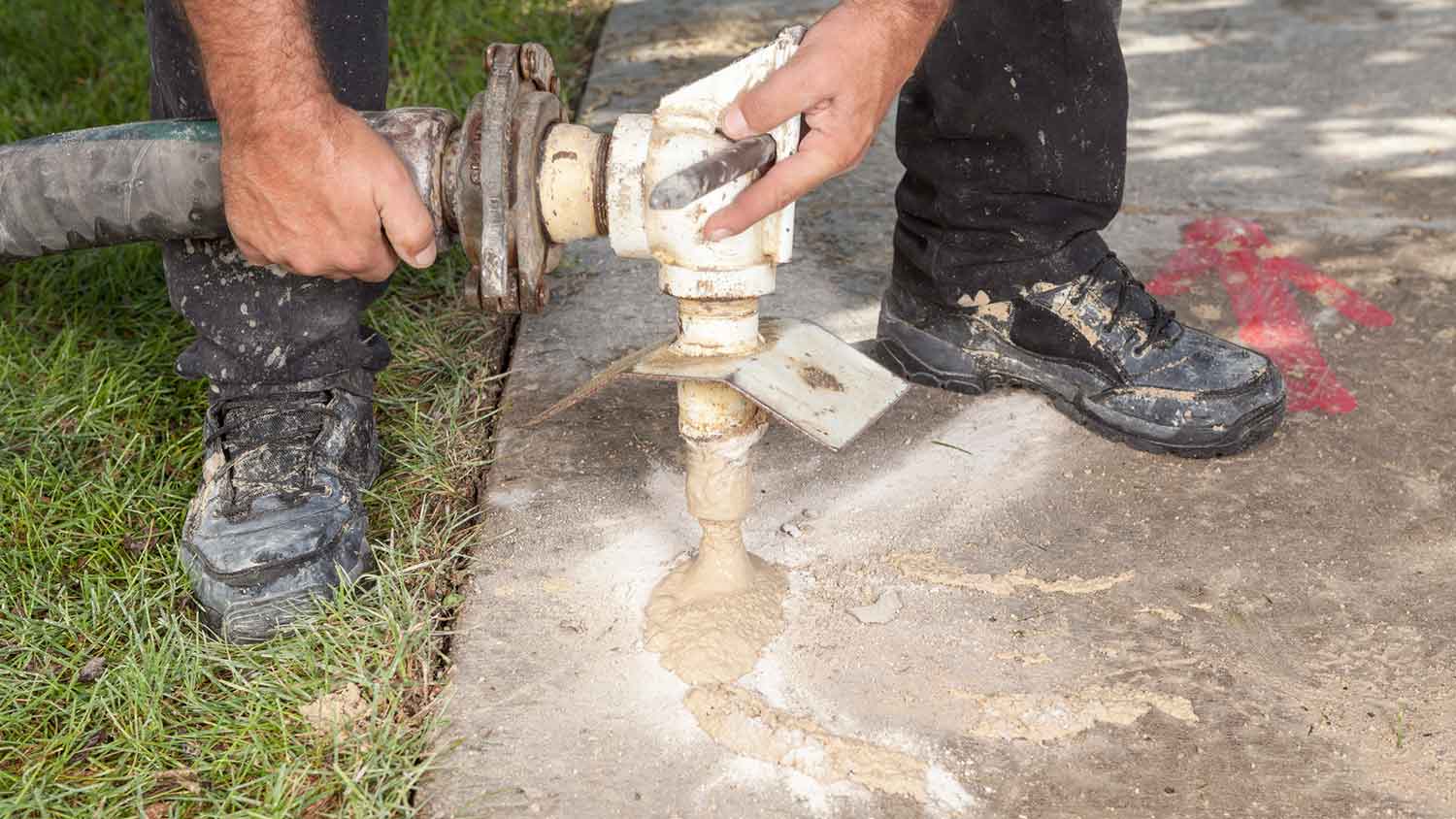
Mudjacking can be an expensive foundation repair process, but in many cases, it’s well worth the investment. This is especially true if you’re lifting a portion of sunken foundation slab back into place. In that case, mudjacking can help avoid major structural damage and even home collapse by restoring the integrity of your structure with minimally invasive procedures. Mudjacking a concrete patio, walkway, or sidewalk can be worthwhile because it removes tripping hazards and makes your outdoor area more aesthetically appealing.
Yes, expanding foam (also known as polyurethane foam) can lift concrete. This approach, called polyjacking, involves injecting the foam rather than concrete slurry to fill voids and raise the concrete slab back into place. It’s often faster and requires smaller drill holes than traditional mudjacking, though it may come at a higher cost. Some contractors also prefer polyjacking over mudjacking for more damaged and delicate slabs.
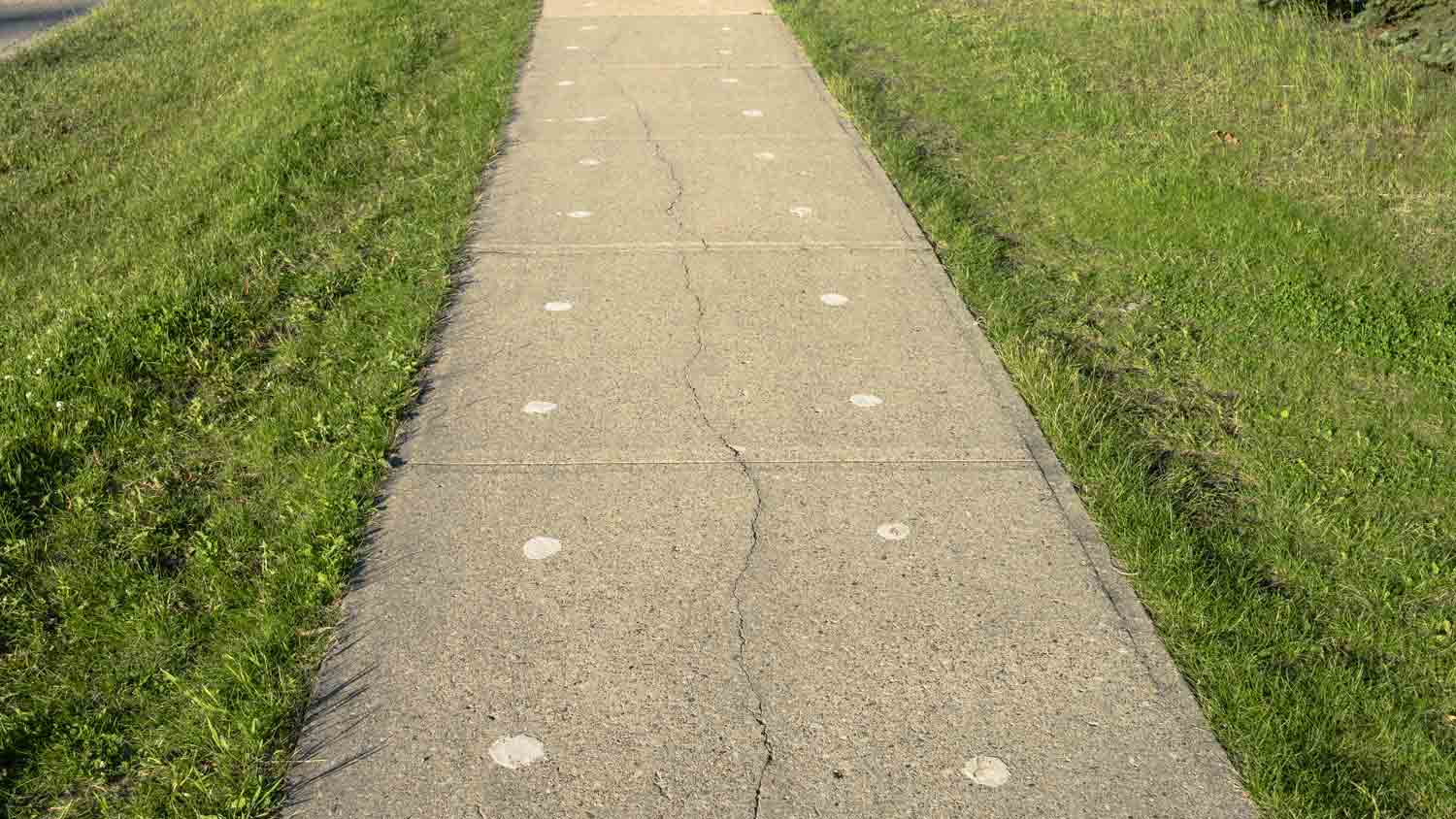
Yes, you can mudjack cracked concrete, but the cracks will need to be repaired once the concrete has been leveled. If the concrete is severely cracked in multiple places, replacement may be a better option, but for less severe cracking, mudjacking is a good solution as long as cracks are correctly caulked and sealed.
The Batesville, TX homeowners’ guide to concrete mudjacking services
From average costs to expert advice, get all the answers you need to get your job done.
DIY mudjacking is an advanced task, but learning how to raise a concrete slab is great to know for many scenarios. Let's take a look at how to DIY mudjack.
Sunken concrete can be a structural issue, but a professional can easily repair it. Ask these concrete injection leveling and mudjacking questions before you hire.