Since 1932, Presto-X (formerly Anderson Pest Solutions) has been providing expert pest control services guided by the enduring principles of providing world class service to our customers and taking care of our colleagues. Presto-X covers your home or business with expert knowledge, professionally licensed and trained technicians, and exemplary service designed specifically for you.
"..Doug Ashe is the super hero of animal control and removal. Dont even bother looking at the ads of other wildlife removal vendors. Doug Ashe does it all. He stands behind his work. Evidenced by the vent covering repair he made for us today. Other service providers can only wish they were like Doug Ashe and CWC. Doug has set the bar high!! "
"They did a great job. They solved all the problems I had with the chimney and it’s been working perfectly ever since. They also fixed a problem on the roof around the chimney; they replaced the wood around the chimney with a material that would never rot, so they fixed it even better than it was before. It took them a couple of days to do the work. They took care of all the cleanup as well. We've been real happy with them."
Depending on the size of your home and accessibility, expect professional pest inspections to take between 30 and 60 minutes. If you have a large property or limited accessibility, pest inspections may take longer.
Small amounts of geese are actually good for the environment. They help spread seeds and lead to more plant growth, but they’re often an invasive species, particularly Canadian geese. This means a small gaggle can quickly grow into a level that litters your lawn with bald patches and excrement.
The cost for bird and bat control services typically ranges from $300 to $1,000. The final price depends on several factors, including the size and severity of the infestation, the specific removal method used, and the complexity of accessing the affected areas.
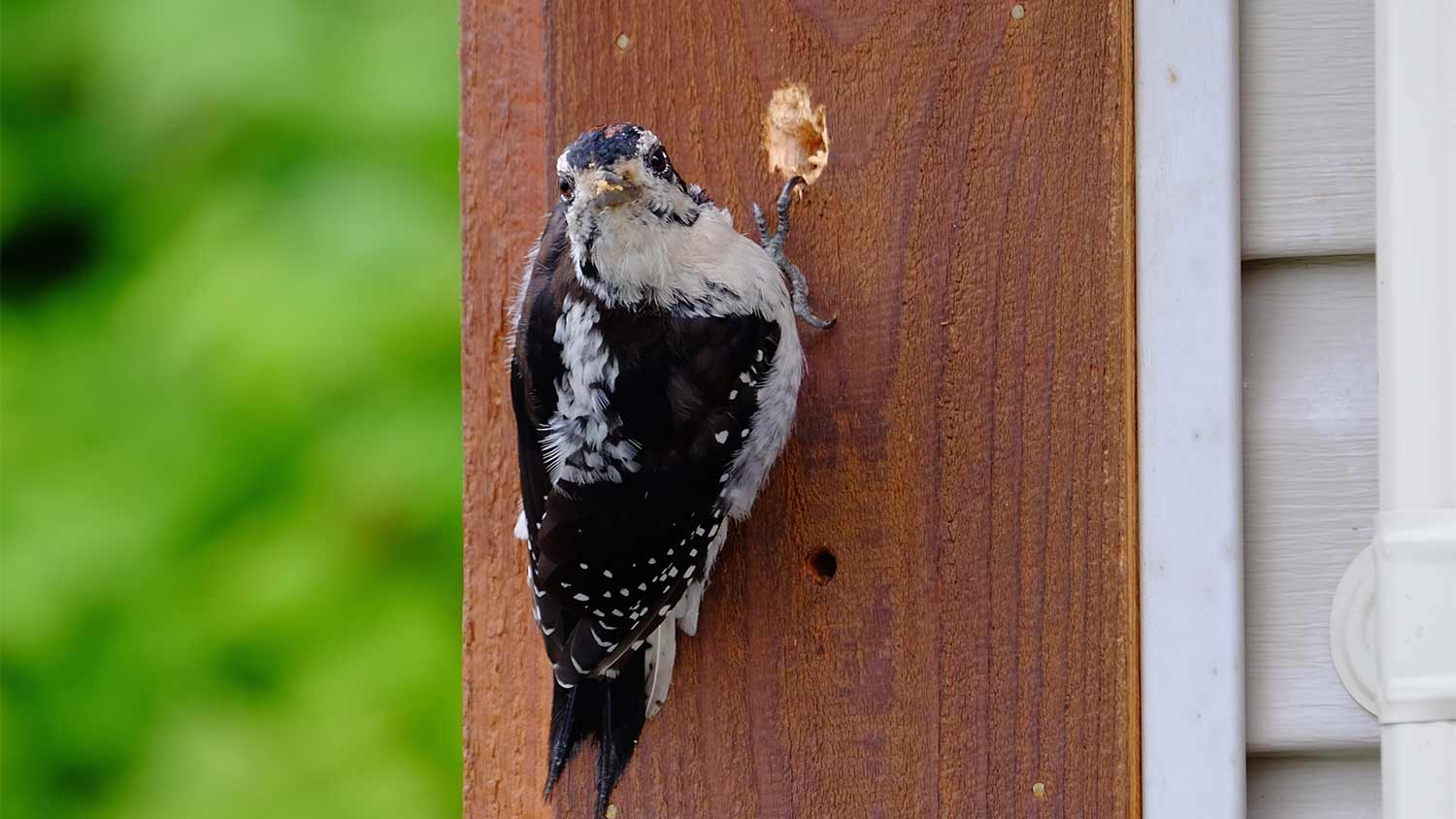
When woodpeckers start banging on your walls or roof, they are probably looking for insects to eat, storing nuts for winter, drilling a hole to make a nest, or communicating with other birds to establish territory or find a mate.
The size of the hole can help determine the reason for the pecking. Small irregular holes are a result of insect hunts. Acorn holes are more consistently sized and often fitted with a nut in the middle. Nest holes are large and have rounded edges. If the bird is pecking to mark its territory or attract a mate, it may leave dents rather than holes, and the noise will stop when the mating season starts in spring.
An owl's worst enemy in the wild is often other raptors and environmental factors. Among the avian threats, larger owls or other birds of prey can pose a danger, engaging in territorial disputes or competing for food resources. Terrestrial predators like foxes, raccoons, and larger mammals may target owl nests or young fledglings. Environmental factors like severe weather conditions, habitat loss, and food availability changes can also significantly impact owl populations.
The Saltillo, TN homeowners’ guide to bird control services
From average costs to expert advice, get all the answers you need to get your job done.
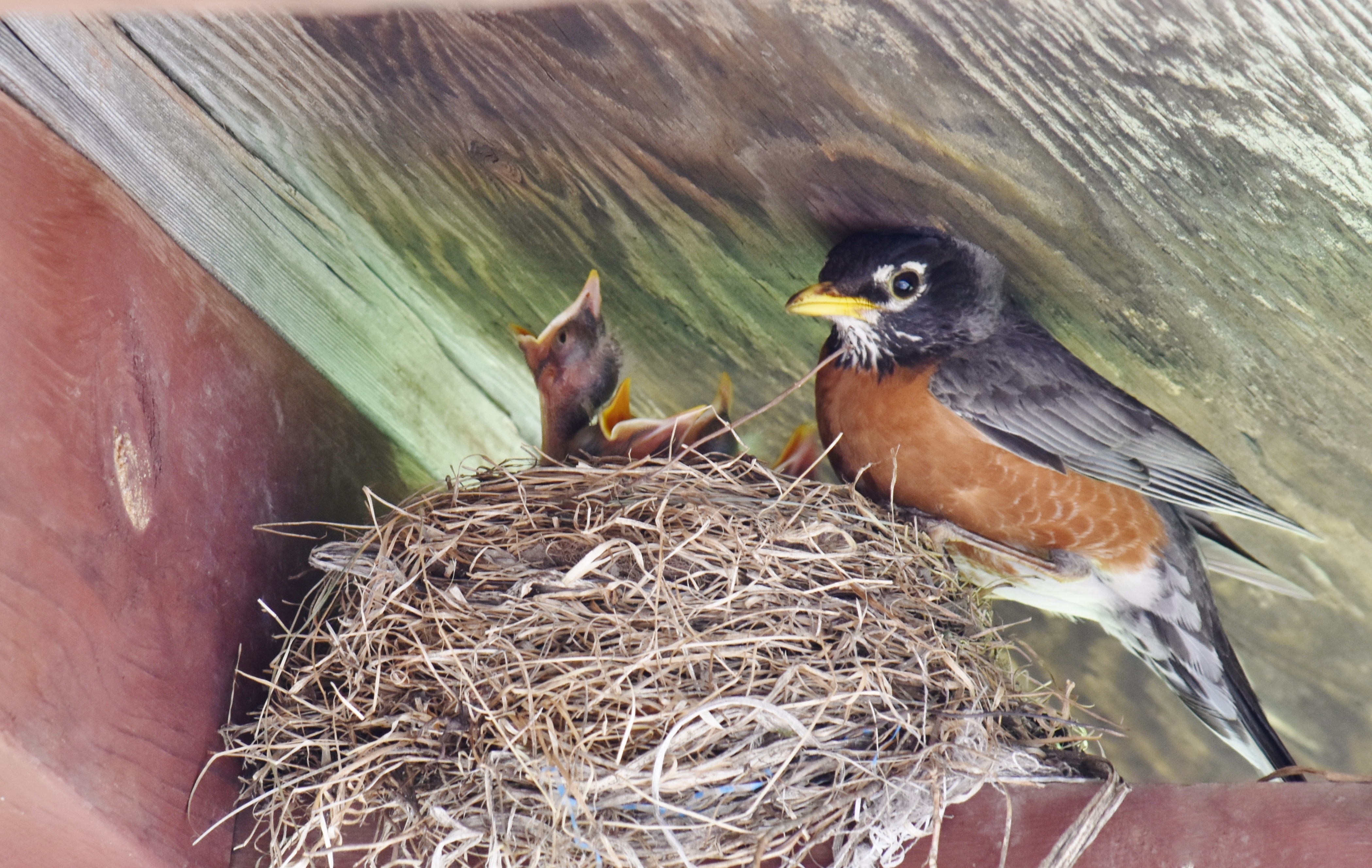
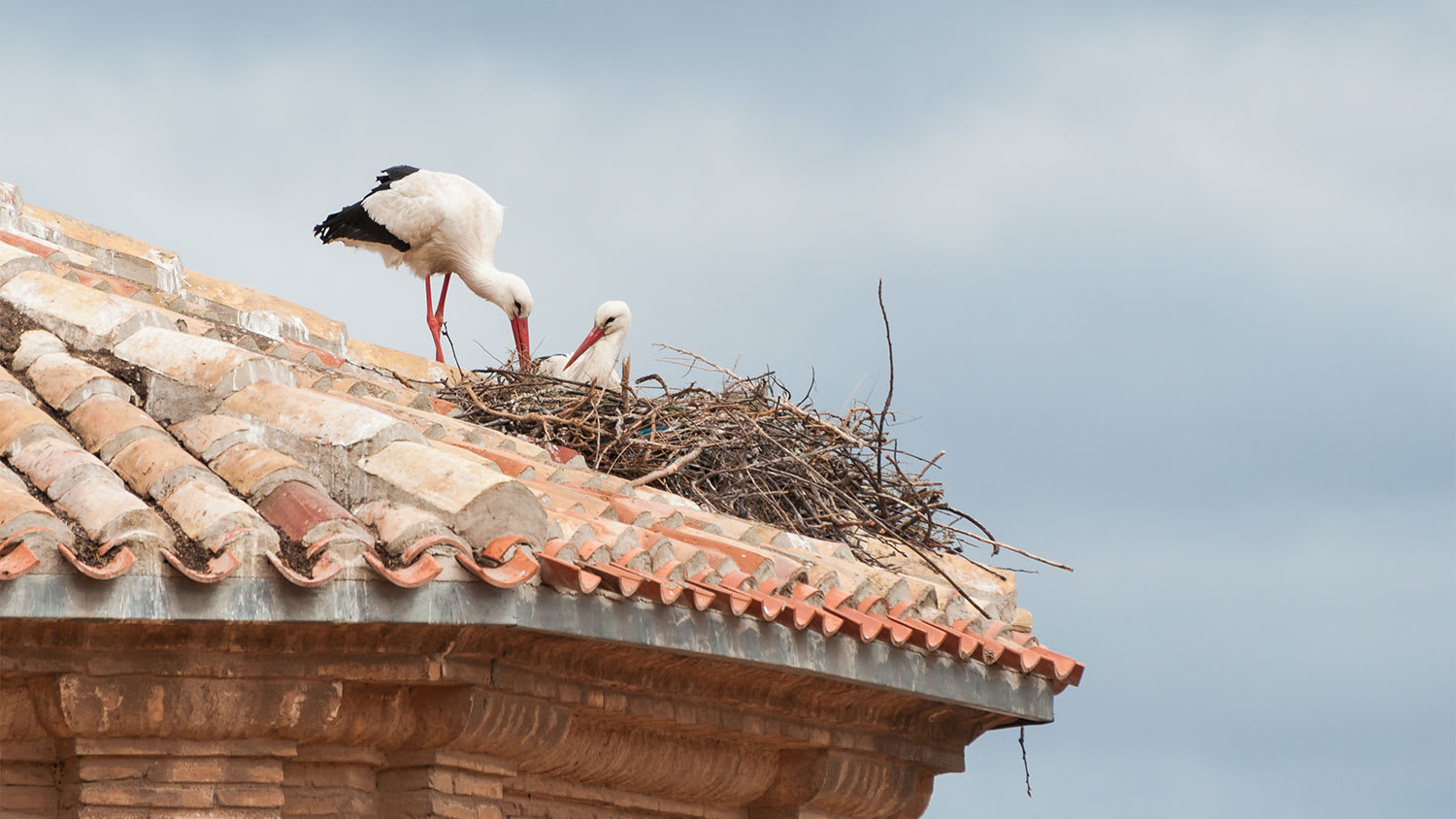
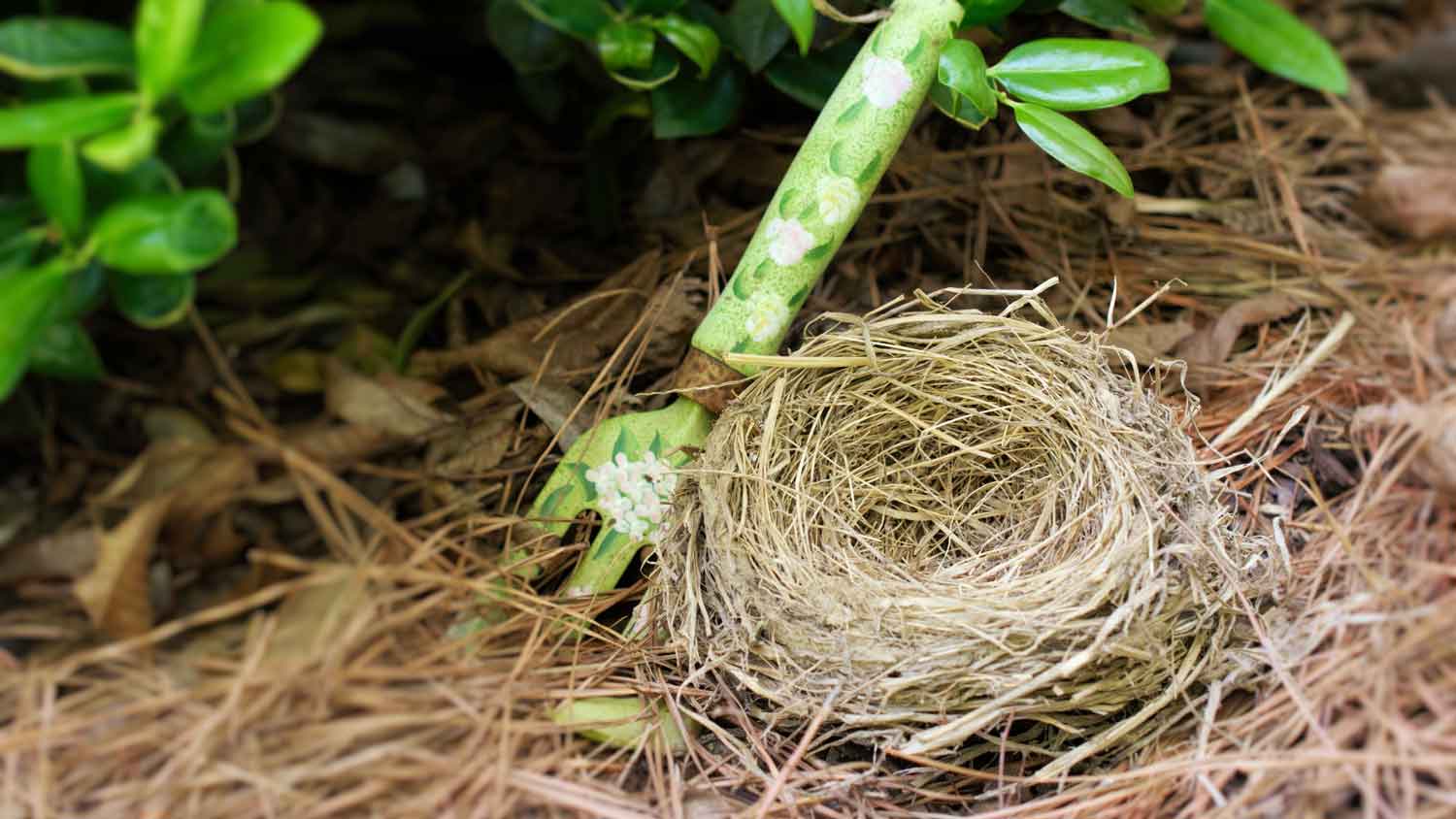
Sometimes birds nest in unwelcome places. Find out how much bird nest removal will cost based on factors like location, bird species, and preventative measures.