





Top-rated bird control service pros.

Best bird control service pros near Lexington, TN

Enter your zip and get matched with up to 5 pros

Need a pro for your bird control service project in Lexington, TN?

Select your specific project to find the pro for you.

Top-Rated Bird control service pros in Lexington - Updated Nov 2026

Avatar for The Fireplace Doctor
The Fireplace Doctor
3.9(
1,190
)
Pest Control - Birds and BatsPest Control - Birds and Bats - For Business

Serving Lexington, TN and surrounding areas

In business since 1993

Emergency services offered

Credit card accepted

"They did a great job. They solved all the problems I had with the chimney and it’s been working perfectly ever since. They also fixed a problem on the roof around the chimney; they replaced the wood around the chimney with a material that would never rot, so they fixed it even better than it was before. It took them a couple of days to do the work. They took care of all the cleanup as well. We've been real happy with them."
Recommended by78%of homeowners
Bird Control FAQs, answered by experts

Some of the plants listed above, like daffodils, are poisonous to many animals if eaten. But wild animals instinctively avoid them, for the most part. Household pets don’t always have the same survival instinct, which is why it’s a good idea to familiarize yourself with common plants that pose a danger to cats and dogs.

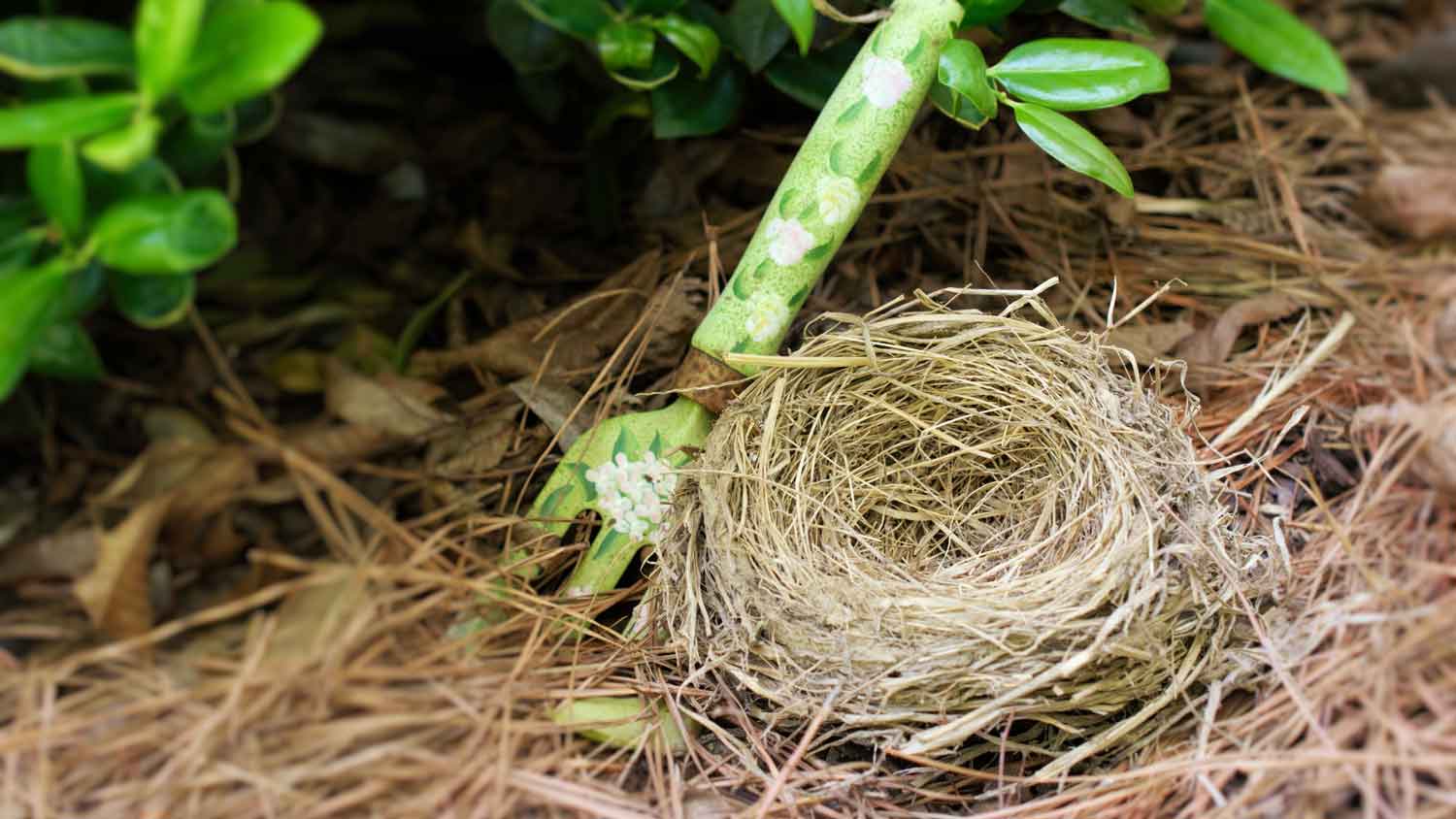
The lifespan of a bird's nest depends on the species. The building process can take from two days to three weeks. Once built, the nesting period for baby birds can last from two to ten weeks before they leave the nest. While most young birds are ready in two to six weeks, some predatory species may need up to two and a half months. Some species nest four to five times per year, so a nest could remain in use for several months. For specific information about a particular nest's longevity, it is best to consult a wildlife professional.

They can have a deterrent effect on birds to some extent. The reflective surfaces of these objects, such as aluminum foil strips, CDs, or reflective tape, create flashes of light and movement that can startle or confuse birds temporarily. However, some birds can become accustomed to these visual disturbances over time and might adapt their behavior accordingly. For a more sustained solution, combining shiny objects with other deterrent methods shared here is often beneficial for creating a more comprehensive and effective strategy for bird control.

Once the animals and their young are out of the house, remove the nest and locate any entry points. Some may be difficult to find because some animals can fit through very small holes. Once you’ve located as many entry points as possible, use materials such as metal or masonry to block off the entry. Ideally, you should choose materials that most animals cannot chew through. Create a one-way door or flap to allow animals to leave but not return. Additional methods include using repellants designed to make an area unappealing to the types of animals that find your home so inviting. 

Hanging wind chimes or motion-activated speakers near your home may be an effective way to deter woodpeckers, as sudden movement and sound often scare birds away. You could also try using reflective decorative items such as pinwheels or mirrors or placing decoys of large predatory birds in your yard. If these measures don’t deter the woodpeckers, you may need the help of a bird removal pro.

The Lexington, TN homeowners’ guide to bird control services

From average costs to expert advice, get all the answers you need to get your job done.