


Top-rated radon detection and reduction specialists.

Get matched with top radon detection and reduction specialists in Beech Bluff, TN

Enter your zip and get matched with up to 5 pros

Need a pro for your radon detection and reduction project in Beech Bluff, TN?

Select your specific project to find the pro for you.

Find Radon detection and reduction specialists in Beech Bluff

Avatar for Frontier Foundation and Crawl Space Repair
Frontier Foundation and Crawl Space Repair
4.6(
212
)
Radon Gas - Abatement

Serving Beech Bluff, TN and surrounding areas

Approved

Super Service Award Winner

In business since 2002

Free estimates

Warranties offered

"Frontier Foundation and Crawl Space Repair is a top notch company! Their work is timely and second-to-none. Mark inspected and serviced our crawl space dehumidifier along with our radon mitigation system. He is a true professional who went above-and-beyond, and I will definitely request him on future inspections. I feel confident in the quality work Frontier provides and strongly recommend them to anyone in need of crawl space/basement/foundation work! Thanks again, Mark!"
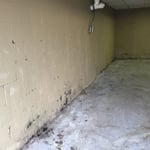
Wet Basement
Dry Basement
Wet Crawlsapce
Encapsulated Crawl Space
Before and After

+14

Response time2 days
169 neighbors recently requested a quote
Recommended by54%of homeowners
Radon Detection and Reduction questions, answered by experts

If high radon levels are detected, steps include sealing entry points, installing a mitigation system, and retesting the air regularly to ensure reduced levels.

No level of radon is technically safe, but since it is naturally present everywhere, it is impossible to avoid entirely. The average radon level in homes across the United States is 1.3 picocuries per liter (pCi/L). The Environmental Protection Agency (EPA) recommends taking action to reduce radon levels if your home's test results are between 2 and 4 pCi/L or higher.

Radon is a cancer-causing radioactive gas that poses serious health risks, infiltrating homes through foundation cracks and unnoticed spaces.

Your radon mitigation system may be loud because it’s time to replace it. Any sounds are usually from the inline fan that helps create the vacuum and resulting airflow. If you hear a new, loud mechanical or humming noise from your radon fan, it might be time to replace it. Most fans used in radon mitigation systems last up to 10 years, but may need to be replaced sooner.

The average radon mitigation system uses about 876 kWh of electricity per year, although the exact amount of electricity used will vary depending on the size of the radon fan. Once the system is installed, the annual increase to your energy bill could range from $30 to $300 per year, again depending on the size of the fan.

The Beech Bluff, TN homeowners’ guide to radon detection and reduction services

From average costs to expert advice, get all the answers you need to get your job done.