



Adam Sanchez
Sprinkler System for Lawn and Garden - Winterize or Activate
Serving Winner, SD and surrounding areas
Approved
I take pride in making any property look it's best!

*The Angi rating for Lawn Irrigation companies in Winner, SD is a rating based on verified reviews from our community of homeowners who have used these pros to meet their Lawn Irrigation needs.
*The HomeAdvisor rating for Lawn Irrigation companies in Winner, SD is a rating based on verified reviews from our community of homeowners who have used these pros to meet their Lawn Irrigation needs.
Last update on September 08, 2025
Serving Winner, SD and surrounding areas
Approved
I take pride in making any property look it's best!
From average costs to expert advice, get all the answers you need to get your job done.
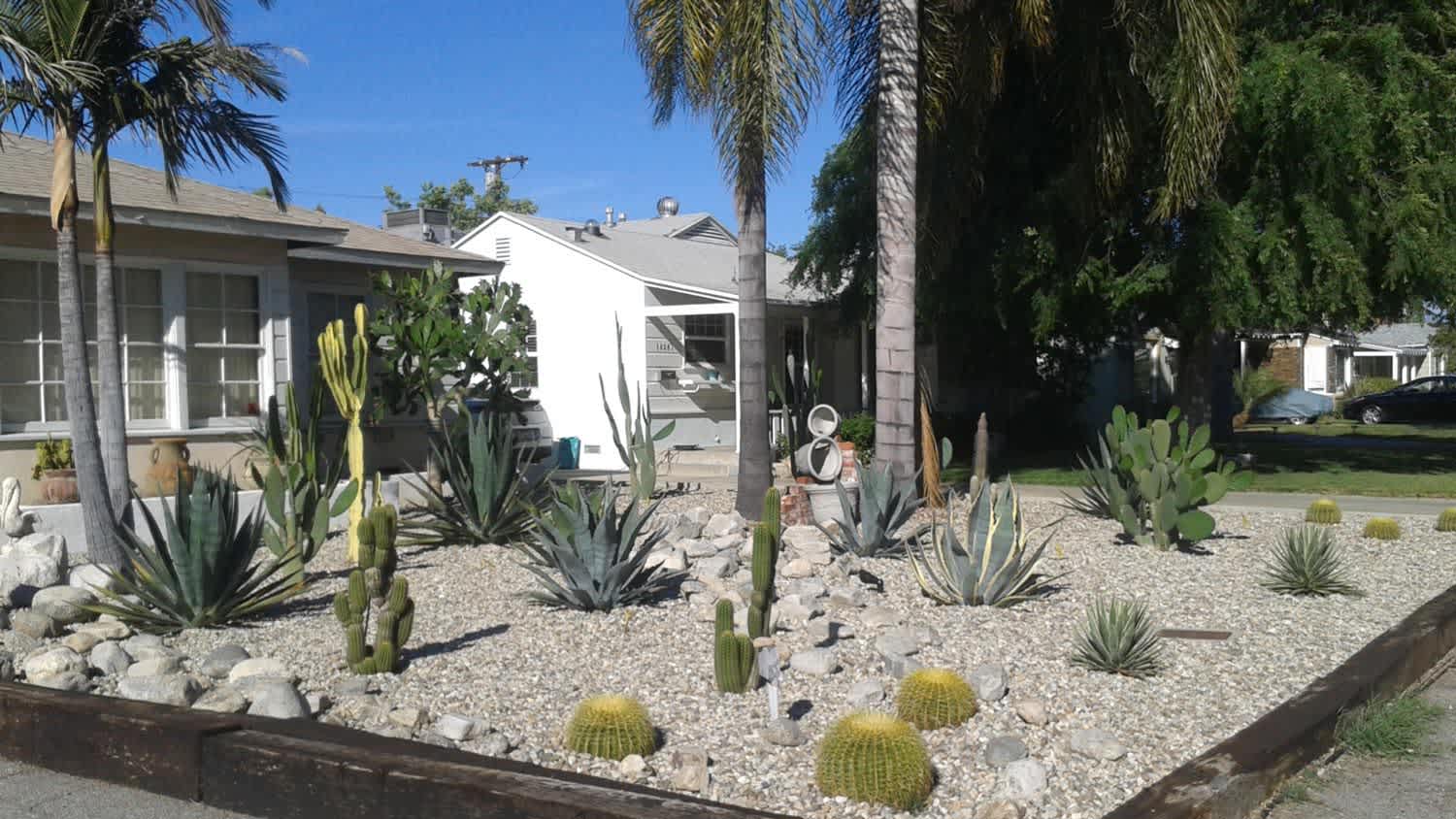
If you want to save money and help the environment, there are many ways to conserve water outdoors. These tips can help you start.
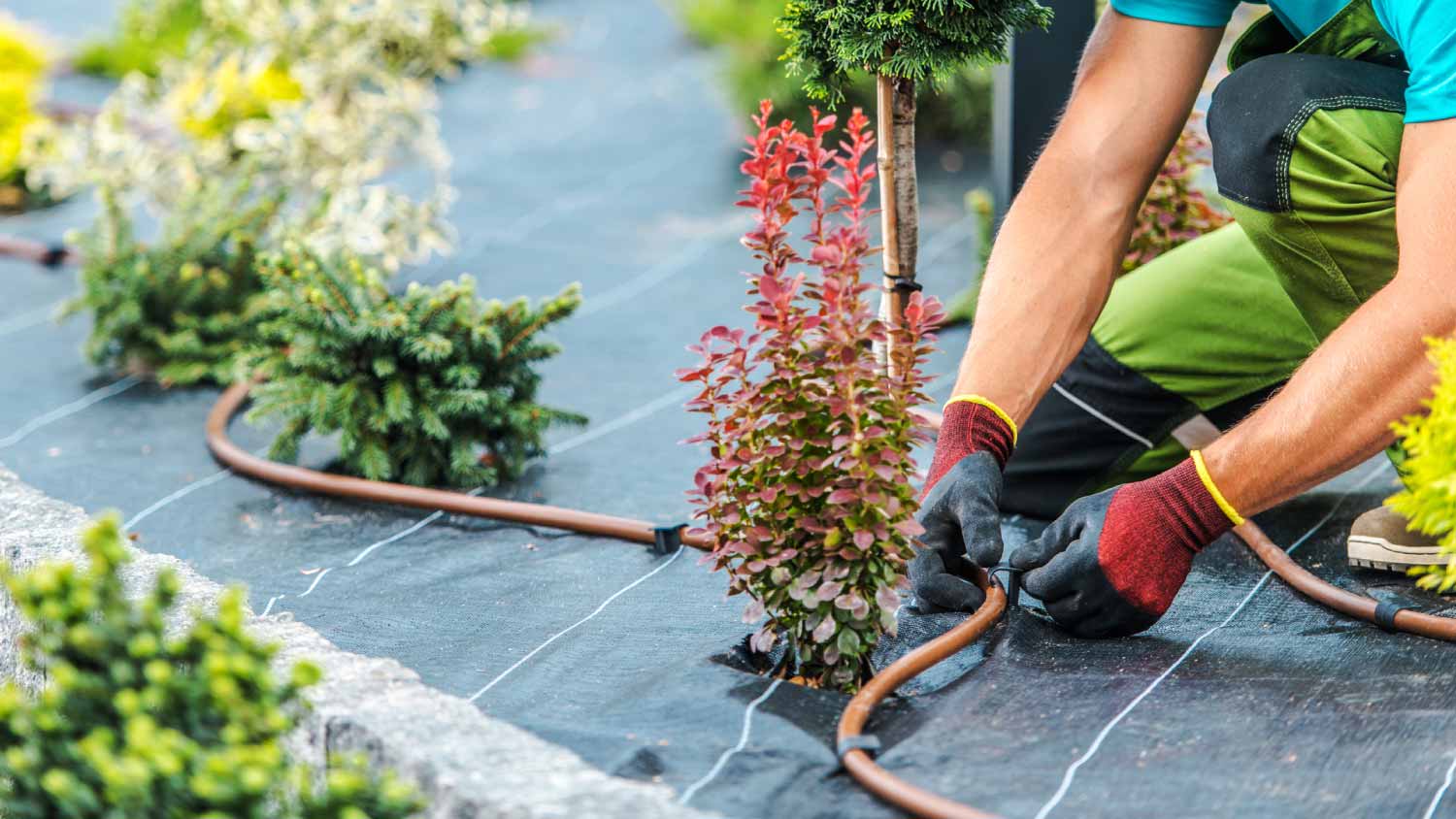
Need an effective solution for watering your garden? Here are four types of drip irrigation systems that can help you nurture your plants to perfection.
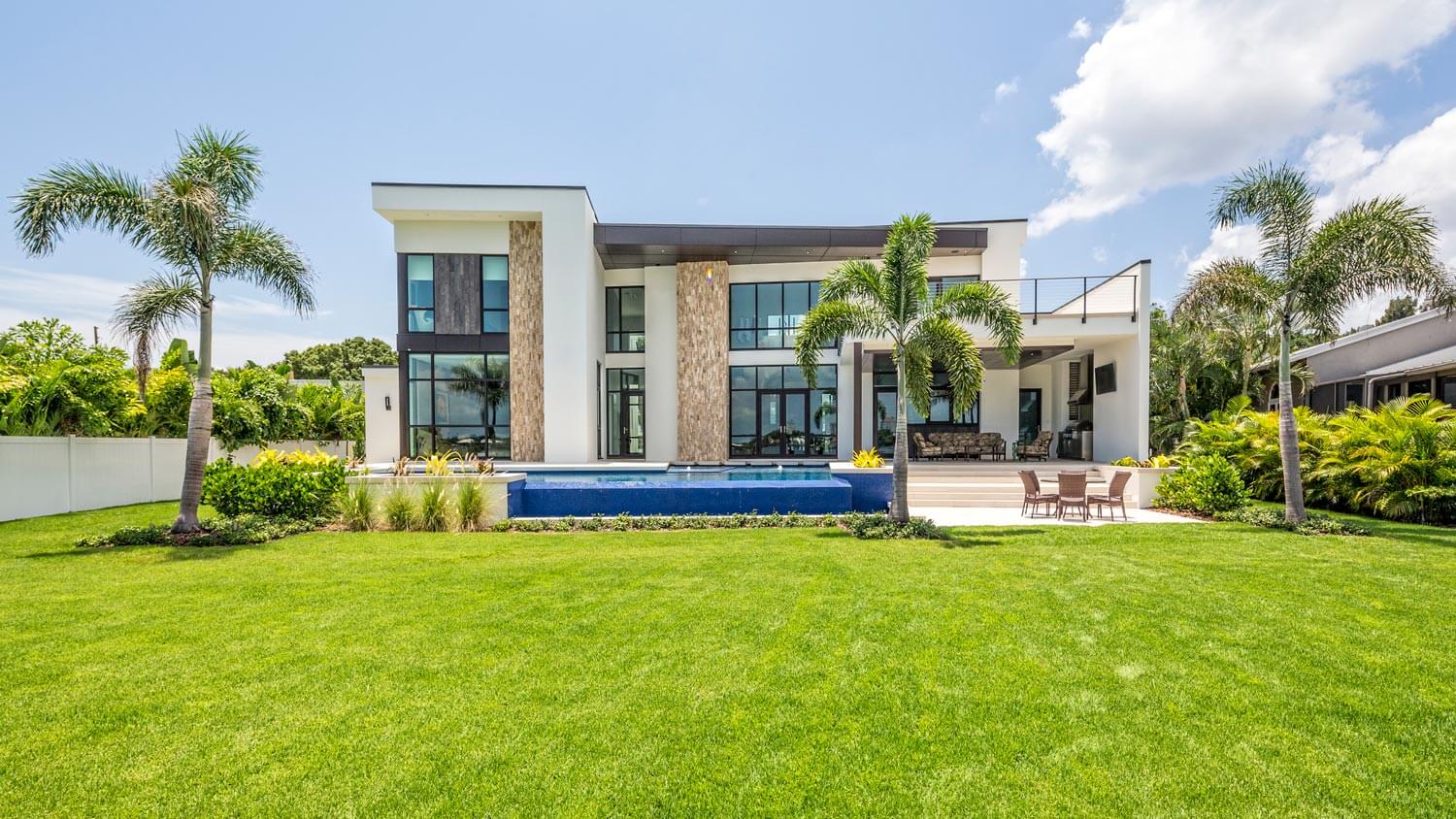
Droughts can cause lasting damage to lawns. Keep your lawn alive and well by following these tips on how to save your lawn during a drought.
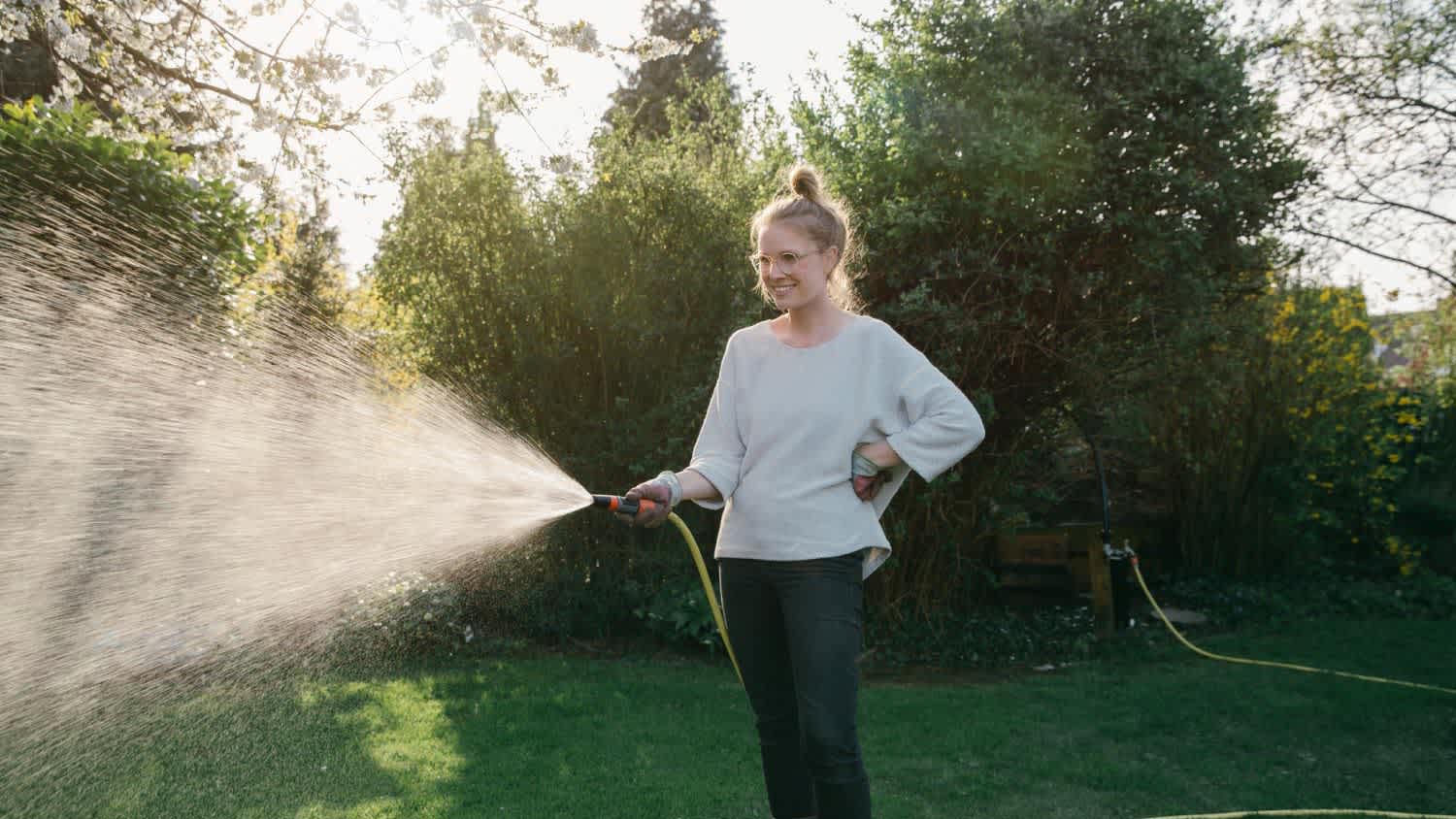
Keep your lawn and garden lush and healthy without wasting water with our expert irrigation tips, from when to water, to water conservation ideas.
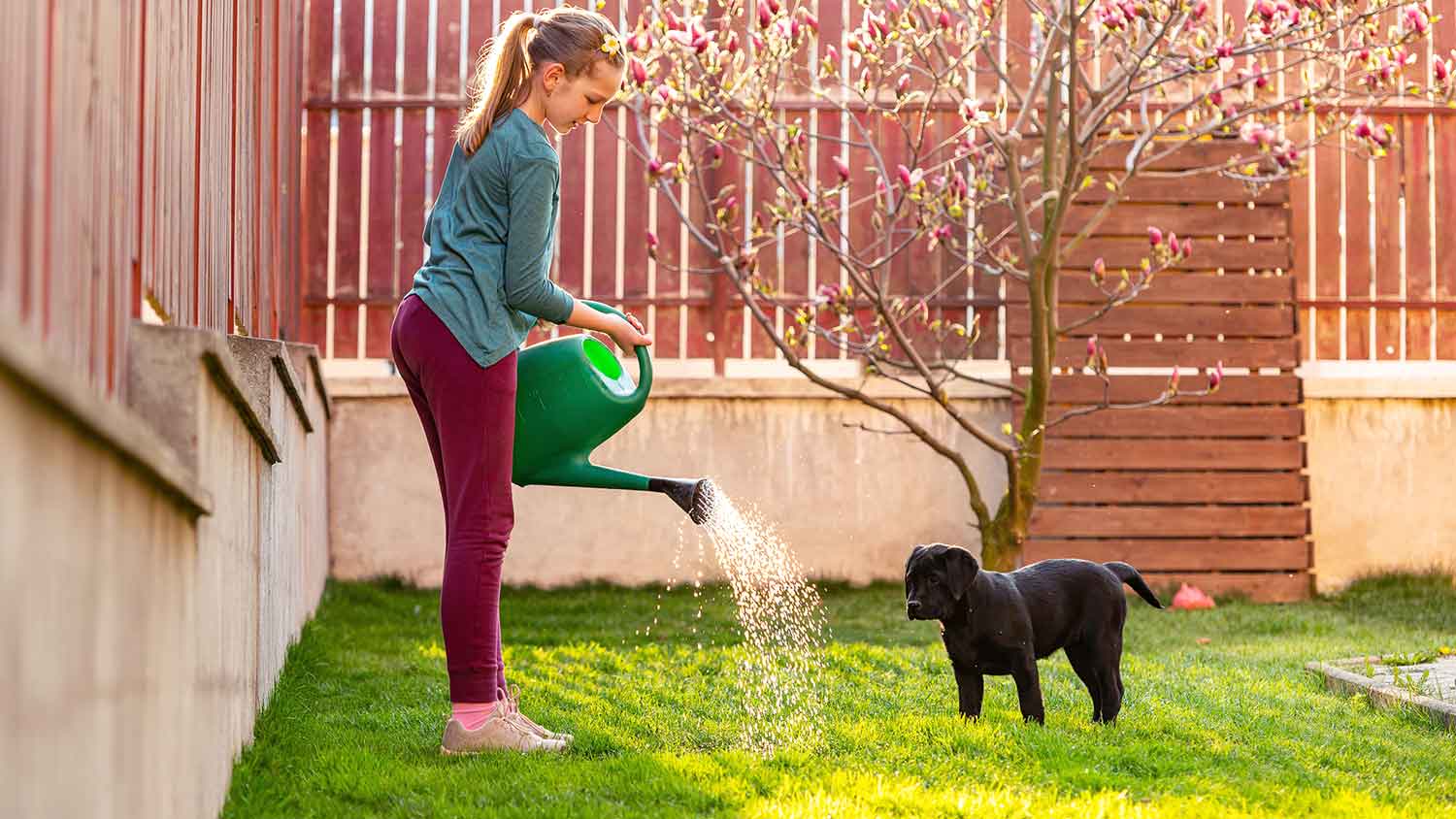
Can you keep your lawn healthy without a costly irrigation system? Absolutely. Learn the best way to water a lawn without a sprinkler system with this guide.
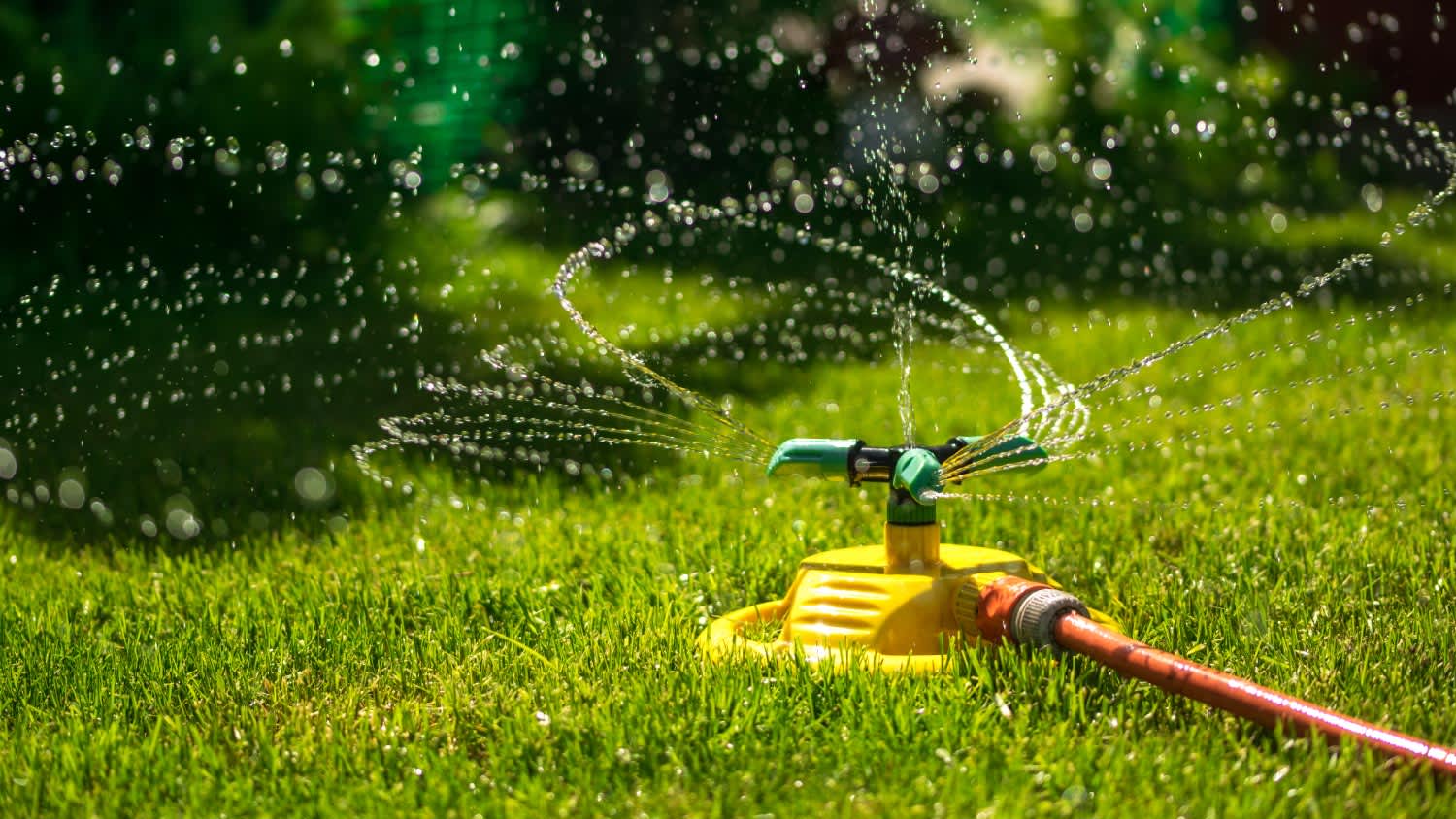
Find out if you're losing money with these top lawn irrigation mistakes. Get the lowdown on how to optimize your lawn irrigation and save some cash.