



Top-rated concrete leveling pros.

Get matched with top concrete leveling pros in Whitewood, SD

Enter your zip and get matched with up to 5 pros

Need a pro for your concrete leveling project in Whitewood, SD?

Select your specific project to find the pro for you.

Find Concrete leveling pros in Whitewood

Sunken Foundation Solutions
4.9(
9
)
Concrete - Injection Leveling - Mudjacking - For Business

Serving Whitewood, SD and surrounding areas

Approved

In business since 2018

Free estimates

Offers commercial services

"Throughly amazed with the quality of work these gentlemen did on our home. They were extremely hard workers that returned my phone calls, showed up to work when they said they would and cleaned up the work area each day. You donâ t find many younger people with this work ethic any more. Would highly recommend them and will use them again!"
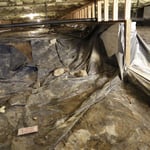
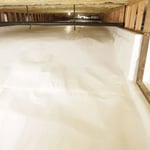
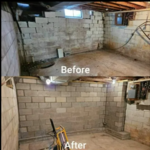
Foundation Replacement in Rapid City
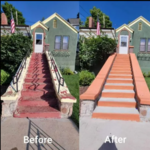
Concrete Stair Foundation
Foundation Repair
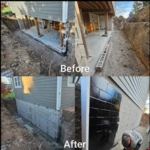
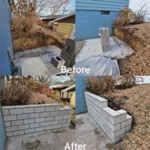
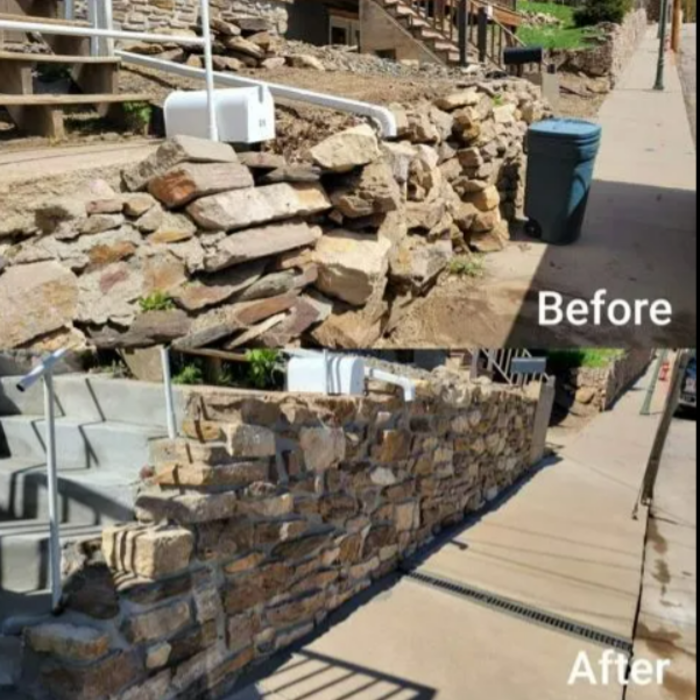
Retaining Wall Install
Retaining Wall Repair

+21

Response time1 day
Response rate85%
Recommended by100%of homeowners
Concrete Leveling questions, answered by experts

The polyurethane used for polyjacking will expand and cure in 15 to 30 minutes. After that point, your slab will be safe to walk on and even drive on in the case of a sidewalk or concrete driveway. Double-check with your concrete lifting specialist to confirm a curing timeline, as products can differ.

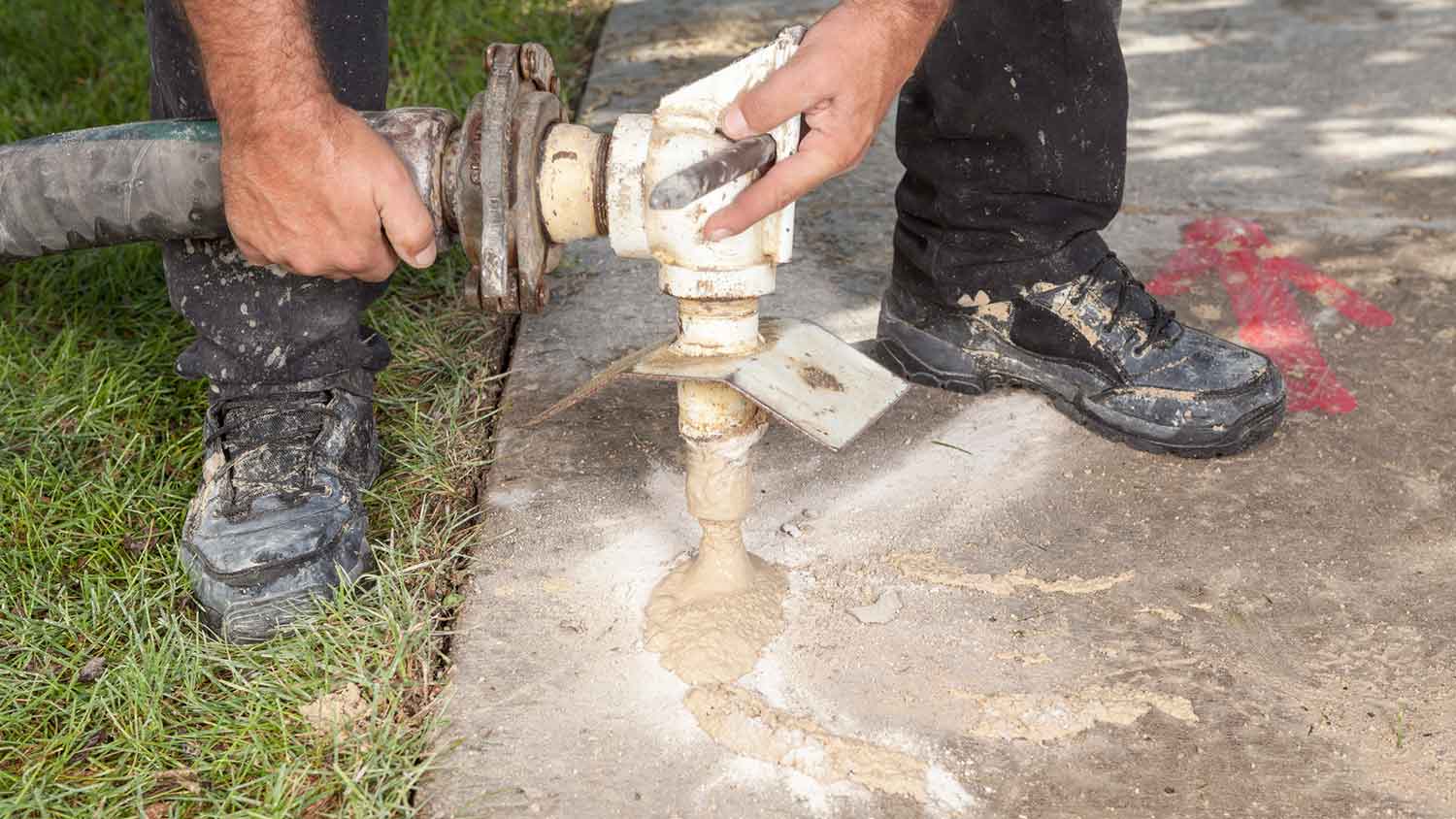
Mudjacking is usually reserved for light-duty slabs, like patios, driveways, and sidewalks. However, it can be an effective way to lift garage slabs and concrete around the perimeter of the home, which could harm your foundation if it’s not done properly. The risk of damage is why having a professional mudjacking company carry out the work is important. This type of slab or foundation repair is relatively inexpensive, especially if you consider that a DIY job requires that you pay to rent the necessary equipment.

Polyjacking and mudjacking can both be effective solutions for sinking concrete, but they have key differences. Polyjacking, which uses expanding polyurethane foam, is often considered a better option because the foam is significantly lighter than the cementitious material used for mudjacking. This reduced weight puts less pressure on the underlying soil and lowers the risk of future sinking. Polyjacking is suitable for any sinking concrete slab, while mudjacking is typically only recommended for non-structural concrete, such as sidewalks, patios, pool decks, and driveways. The primary drawback of polyjacking is its cost, which can be up to four times higher than mudjacking—as much as $25 per square foot compared to a maximum of about $6 per square foot for mudjacking.

It’s best not to perform mudjacking in the winter unless the ground temperature remains above freezing. Freezing temperatures can cause the slurry to harden too quickly, compromising its strength and longevity. Concrete is also more susceptible to cracking and splitting in cold temperatures, so there’s a higher risk of damaging the slab during the drilling and lifting process in winter.

Generally speaking, push piers—or steel piers—are the best option for underpinning, as they reach down to solid bedrock to find support for your foundation rather than relying on soil, which could be subject to the same issues as the soil directly below your foundation. However, the best underpinning method for your home depends on your location, how far down the bedrock is, and the type of soil in your area. Helical piers are usually the best option for sandy soil or in areas where the bedrock is too deep to use steel piers.

The Whitewood, SD homeowners’ guide to concrete leveling services

From average costs to expert advice, get all the answers you need to get your job done.