"I only use James when I need some work done to my house. He responds fast, gets the work done quicker than just about anyone else I've ever used and seems very concerned with leaving his customers happy."
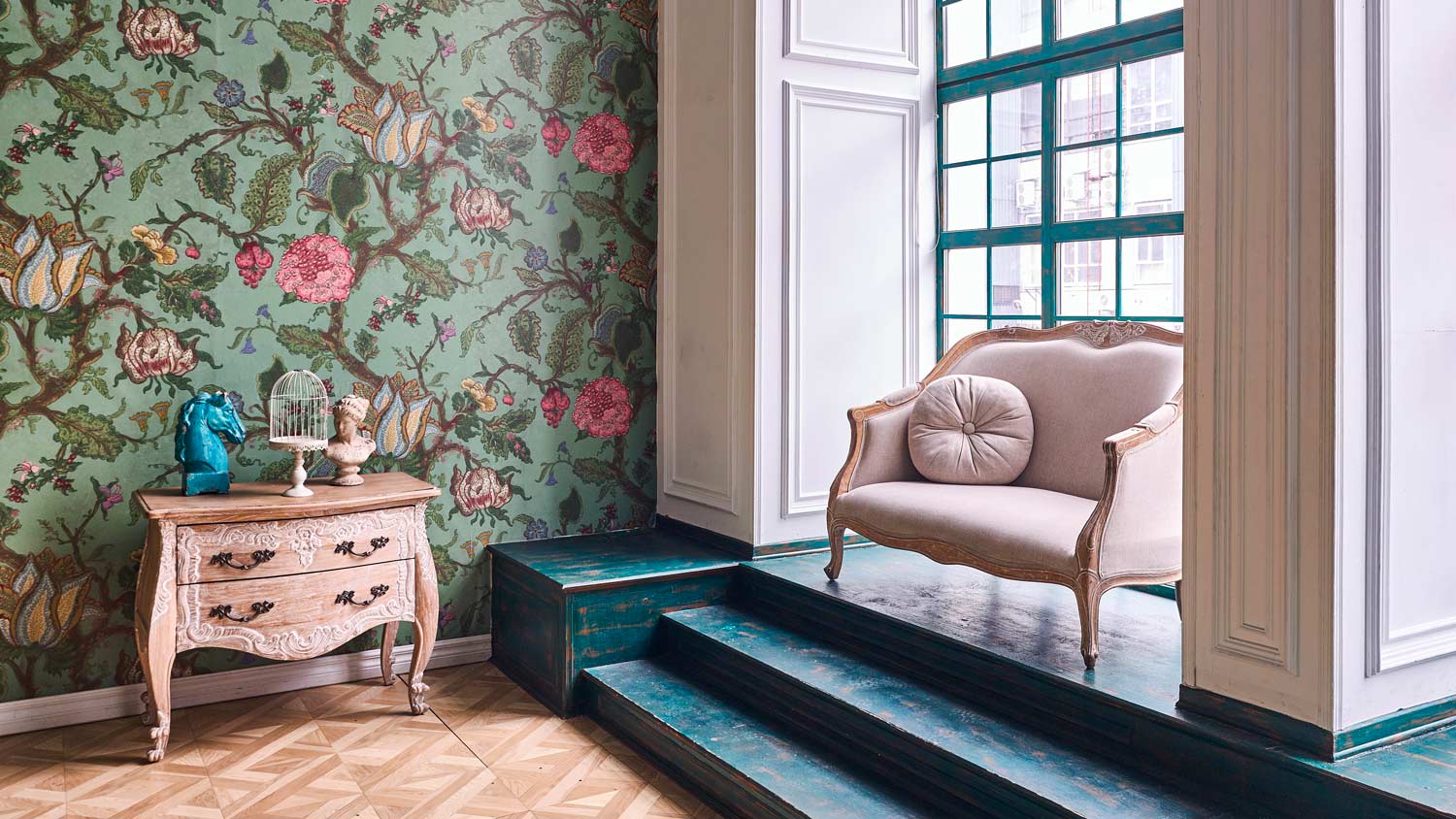
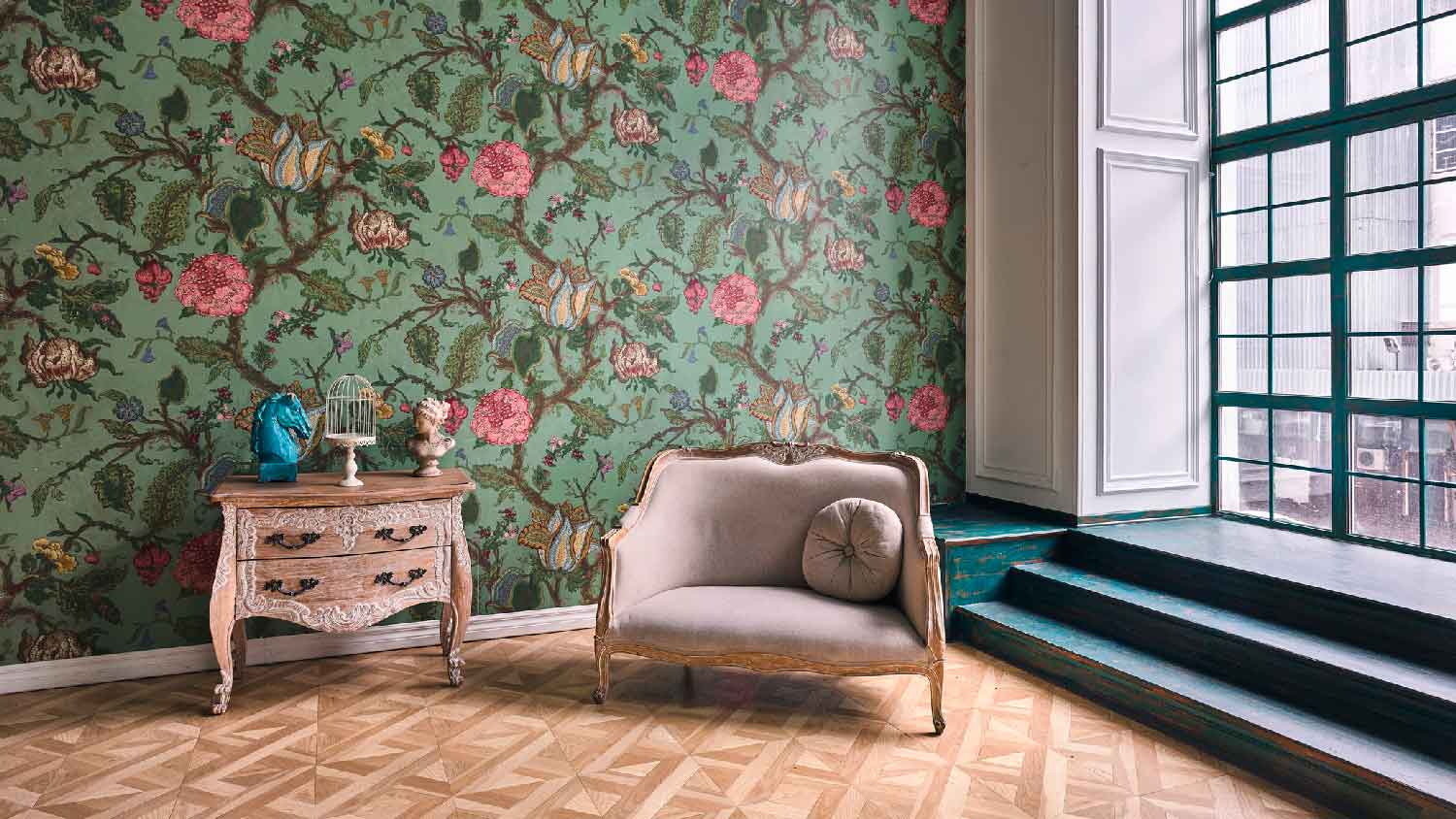
Accent walls can feel out of place or distracting if not well designed. Accent walls that don’t fit in with a room’s style can feel jarring or overpowering. Some accent wall styles can also feel dated, but fortunately, it’s easier to update a single wall than an entire room.
Having dated, peeling, or otherwise damaged wallpaper can decrease the value of your property, so removing that before listing your house is nearly always a good idea; however, since wallpaper tends to be a personal style choice, potential buyers may or may not love your aesthetic as much as you do.
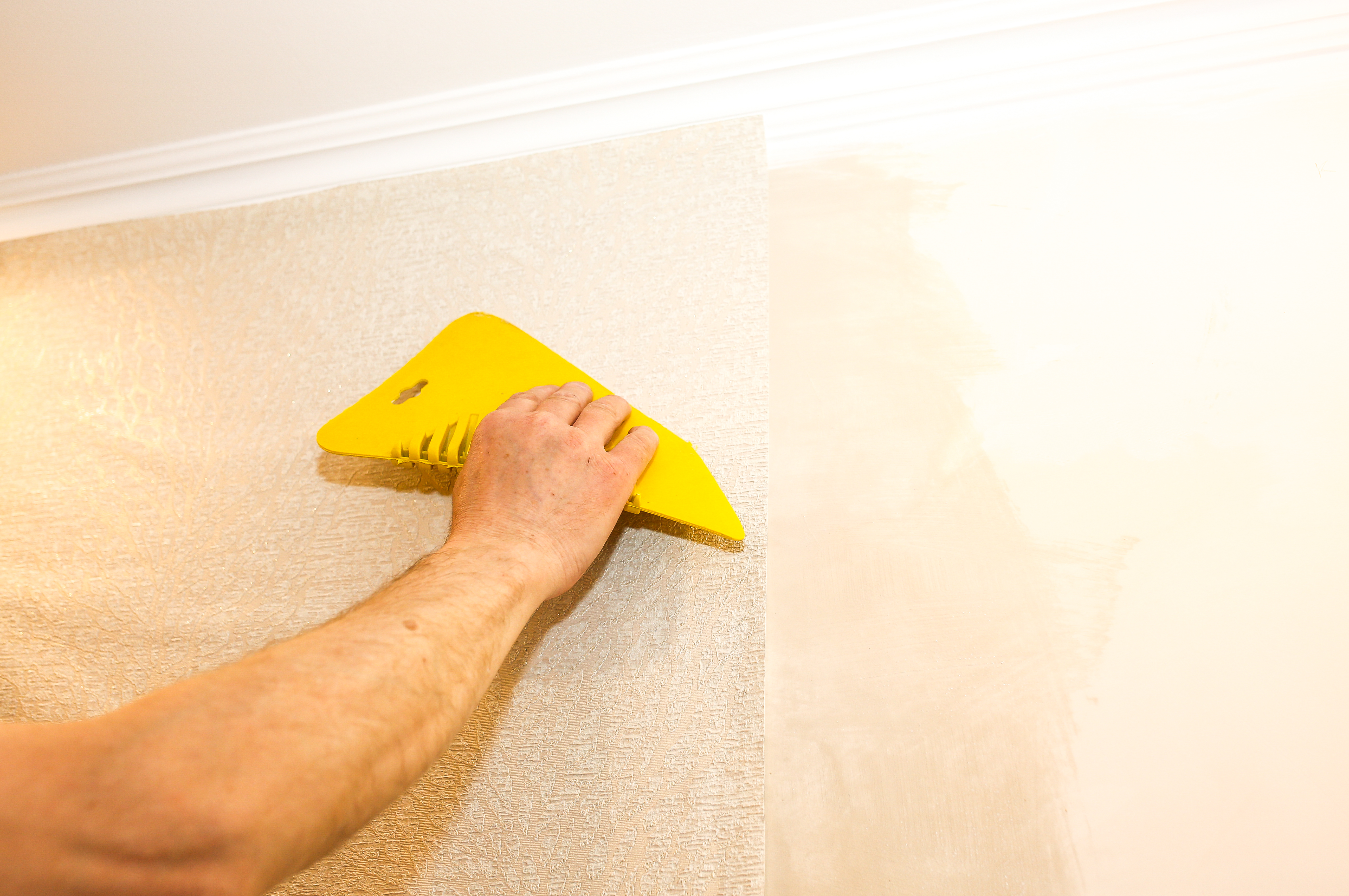
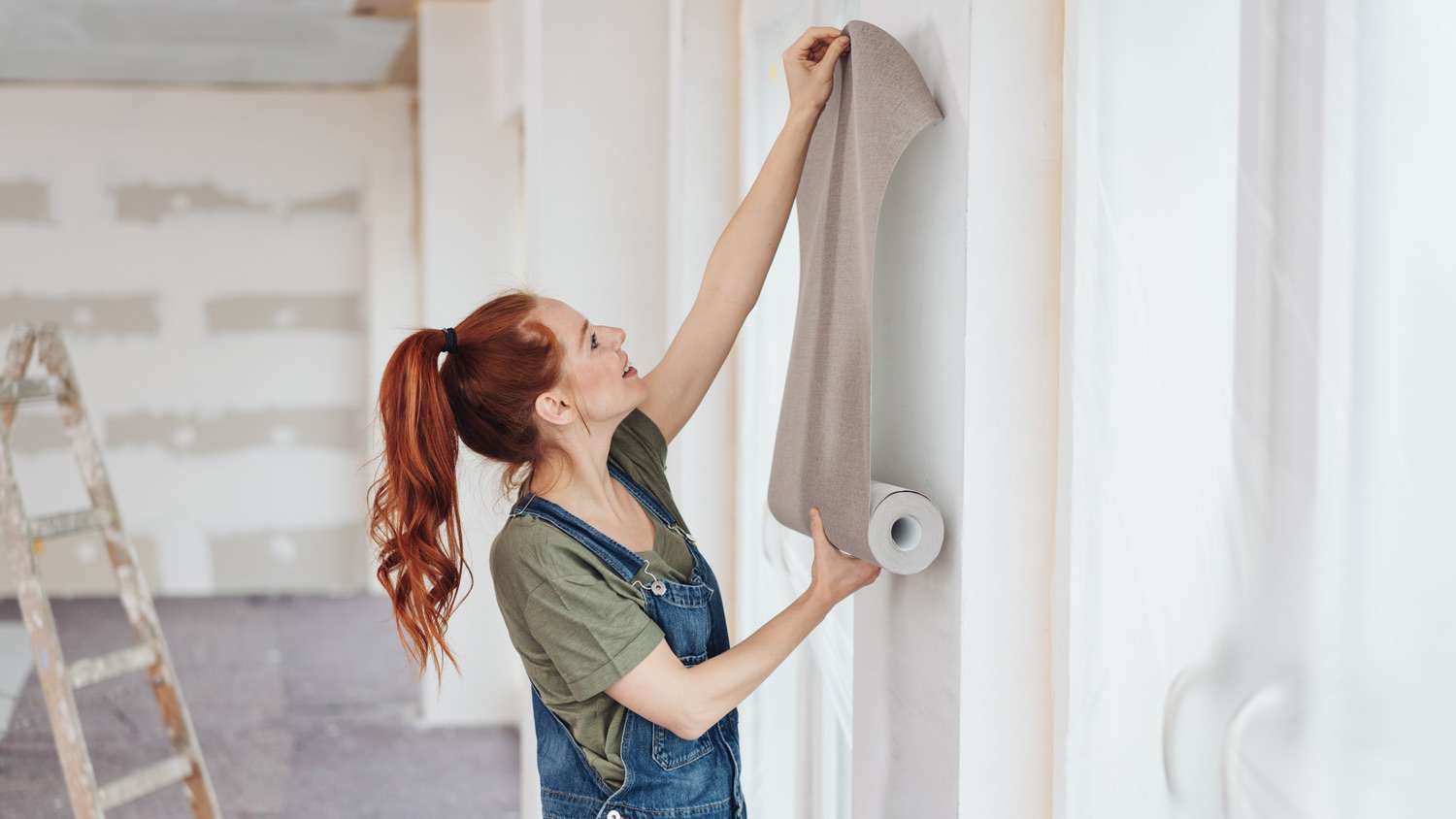
Love the look of wallpaper but want to consider property value as well? Stick with something that is easy to change. If you are thinking of selling soon, make sure your wallpaper hanging is on-point and looks professional with no crooked seams, evenly matched patterns, and minimal bubbling or other imperfections.
Ideally, you want to ask the wallpaper installers you’re considering for examples of past work, and references you can call. These will prove that the installer can handle your job, make your room look professional, and will also give you some insight into the kind of customer service you can expect. Before you start calling companies, you might want to narrow down your options by finding installers with mostly positive reviews online.
Yes, you can apply peel-and-stick wallpaper over wood paneling, but it requires significant preparation for a good result. Peel-and-stick wallpaper has a weaker adhesive than traditional wallpaper and works best on smooth, non-textured surfaces like painted or primed drywall. Because wood paneling is often textured with grooves, any flaws in the underlying surface will likely be visible after application. To prepare the paneling, you must ensure the surface is free of cracks, holes, and protrusions by filling any indentations and sanding rough spots to create a smooth surface. An alternative is to remove the paneling and apply the wallpaper directly to the underlying drywall or plaster, provided it is in good condition.
Painting over wallpaper is an efficient way to cover it if it’s in decent shape. Before painting over wallpaper, make sure the surface is clean and smooth. You may have to remove minor problem areas, such as lifted seams or small peels, with a sheetrock knife or putty knife. Add a latex- or oil-based primer to keep moisture at bay before painting. You’ll likely need two coats of paint to cover the area.
The White River, SD homeowners’ guide to wallpaper services
From average costs to expert advice, get all the answers you need to get your job done.
Discover wallpaper installation cost. Learn about material, labor, and project factors to estimate your budget and make informed choices for your home.
Whether you can put wallpaper over wallpaper depends on the type of paper you’re using and the condition of the existing surface. Learn more with this guide.