"Colton did a great job with welding up my dump trailer. Overtime it developed some issues and without hesitation, he came and picked up my dump trailer for me and immediately got to work and got it back to need fixed as I requested within about a day and a half."
"Not only great prices, but the service was great, fast, and extremely professional. No pun intended. Kevin, my installer, was super nice and he had to come back because I setup the fence over my property line, and he did a wonderful, fast job then, too. I have already recommended Xtreme Fence to everyone who asks about mine. Thank you."
We pride our company on reliability, great communication, integrity, and quality work. We are experts in our trade and will do our best to keep you as educated as we can on your particular task or project. We look forward to earning your business!
We are a locally owned and operated company that values honesty and integrity and treats your home as if it were our own. We offer a variety of welding services that are customizable to each individual project. You will find us to be competitively priced, paying close attention to the details of each and every project that we are involved with. We look forward to building lasting relationships and guarantee your satisfaction!
Dakota Welding Services is committed to excellence in every aspect of our business. We uphold a standard of integrity bound by fairness, honesty, and personal responsibility. Our distinction is the quality of service we bring to our customers. Accurate knowledge of our trade combined with ability is what makes us true professionals. Above all, we are watchful of our customers' interests, and make their concerns the basis of our business.
\n
When it comes to major and minor construction services, look no further than Ace of Trades Handyman Service. We have more than 35 years of experience bringing prompt and reliable services. Call us.
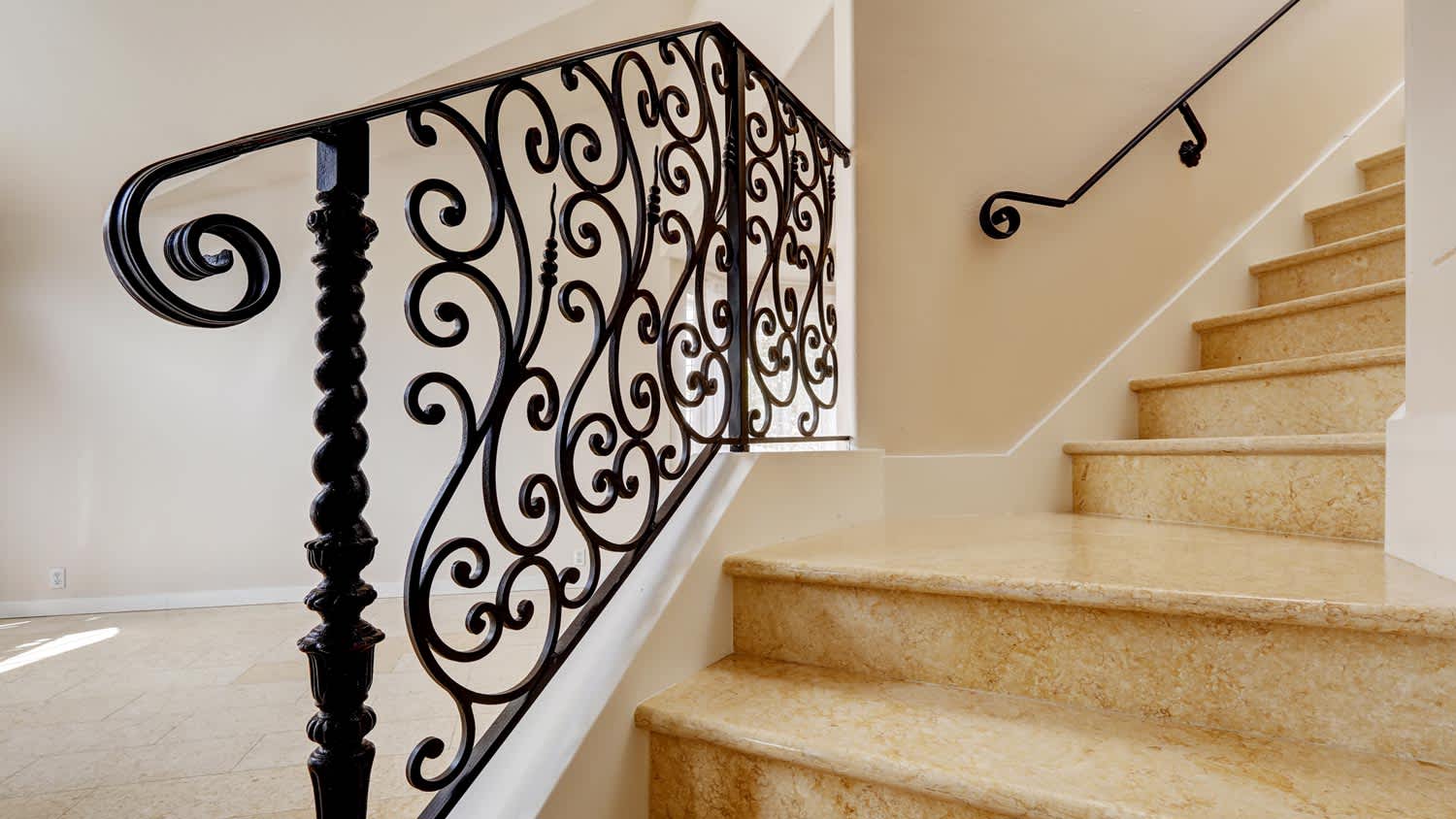
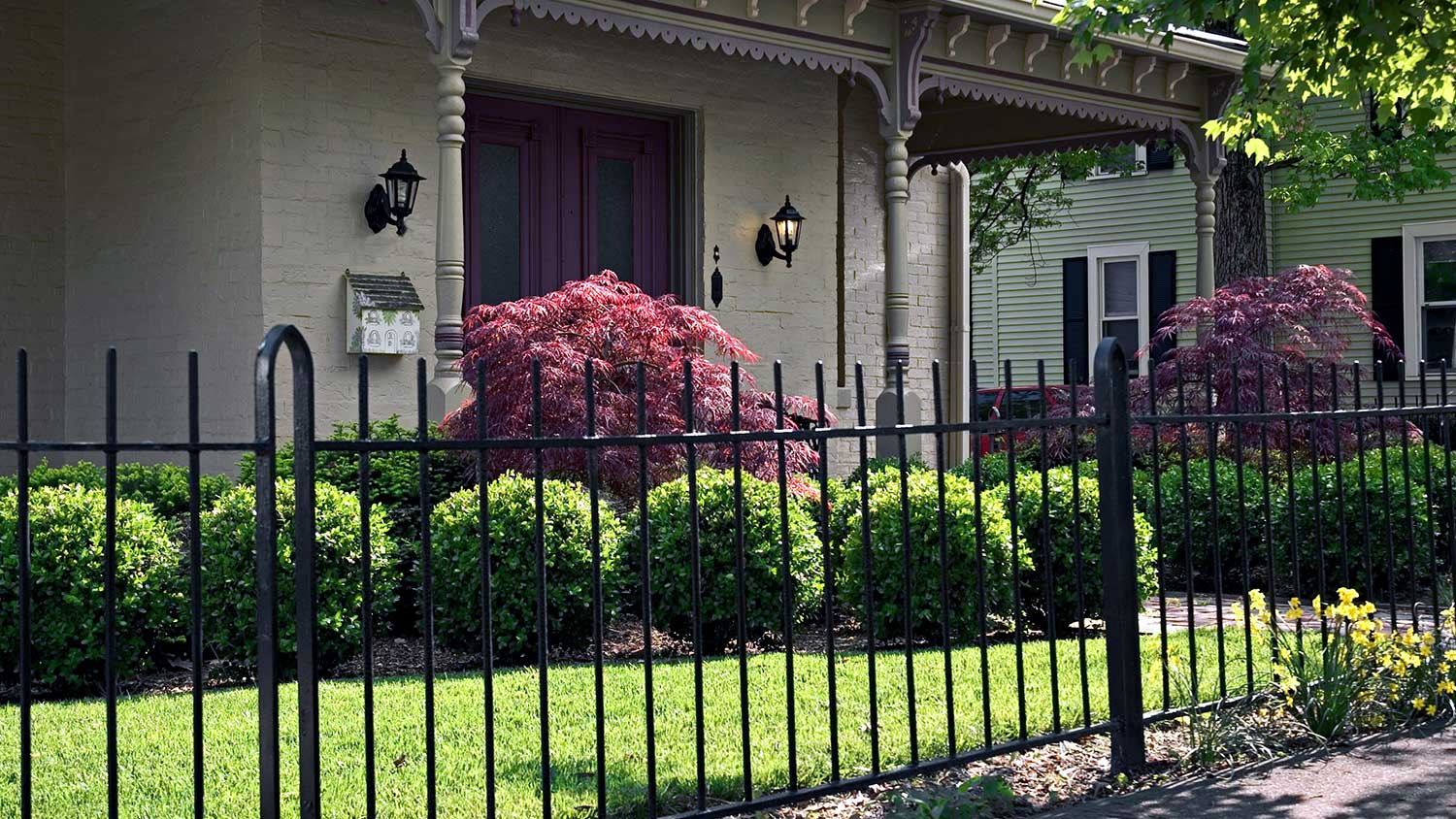
Wrought iron is durable, secure, and adds an elegant aesthetic to its properties.
The maximum recommended slope on which you can build a racked or stepped fence is 45 degrees. After that, construction becomes quite tricky and may require the use of retaining walls or terraces to make the fenced area flatter.
Installation typically takes 2-5 days, depending on the size and complexity of the project.
One common approach to attaching lattice is using screws or nails. Align the lattice panel with the wood frame, then secure it by driving screws or nails through the lattice into the wood. Another option is using U-shaped or J-shaped clips or brackets designed for lattice attachment, which provide a neater look. For added stability and aesthetics, you can use molding or framing around the lattice edges, attaching it to the wood with screws or nails—lastly, construction adhesive works when combined with other fasteners for enhanced durability.
A wrought iron fence is generally considered a worthwhile investment, provided the cost fits your budget and its characteristics meet your needs. While it is an expensive material, its exceptional durability and longevity mean you can save money over time by not having to replace it.
Key benefits include:
Durability and Security: Wrought iron is strong and provides excellent security for your home.
Longevity: With proper maintenance, it can last a lifetime or longer.
Aesthetics: It offers a classy, timeless, and elegant look that can boost your home's curb appeal and property value, especially when complementing brick or stone architecture.
However, it's important to note that wrought iron fencing does not offer much privacy. If professionally installed and maintained, it is a sound long-term investment.
The Wall, SD homeowners’ guide to wrought iron services
From average costs to expert advice, get all the answers you need to get your job done.
Unsure who to hire to install a wrought iron fence? Compare fence contractors and ornamental iron pros, see how installation works, and choose confidently.