"I only use James when I need some work done to my house. He responds fast, gets the work done quicker than just about anyone else I've ever used and seems very concerned with leaving his customers happy."
The two most common reasons wallpaper does not stick are a lack of preparation and improper adhesive. Be sure to use the wallpaper paste designed for the type of paper you choose. Before beginning your project, make sure the walls are clean and free of dust, grease, and oils.
While peel-and-stick wallpapers require no time to cure, the adhesives for other types of papers will take a day or two to dry and up to three weeks to fully cure. The differences are the type of paper, the type of adhesive, and the humidity and temperature in the space.
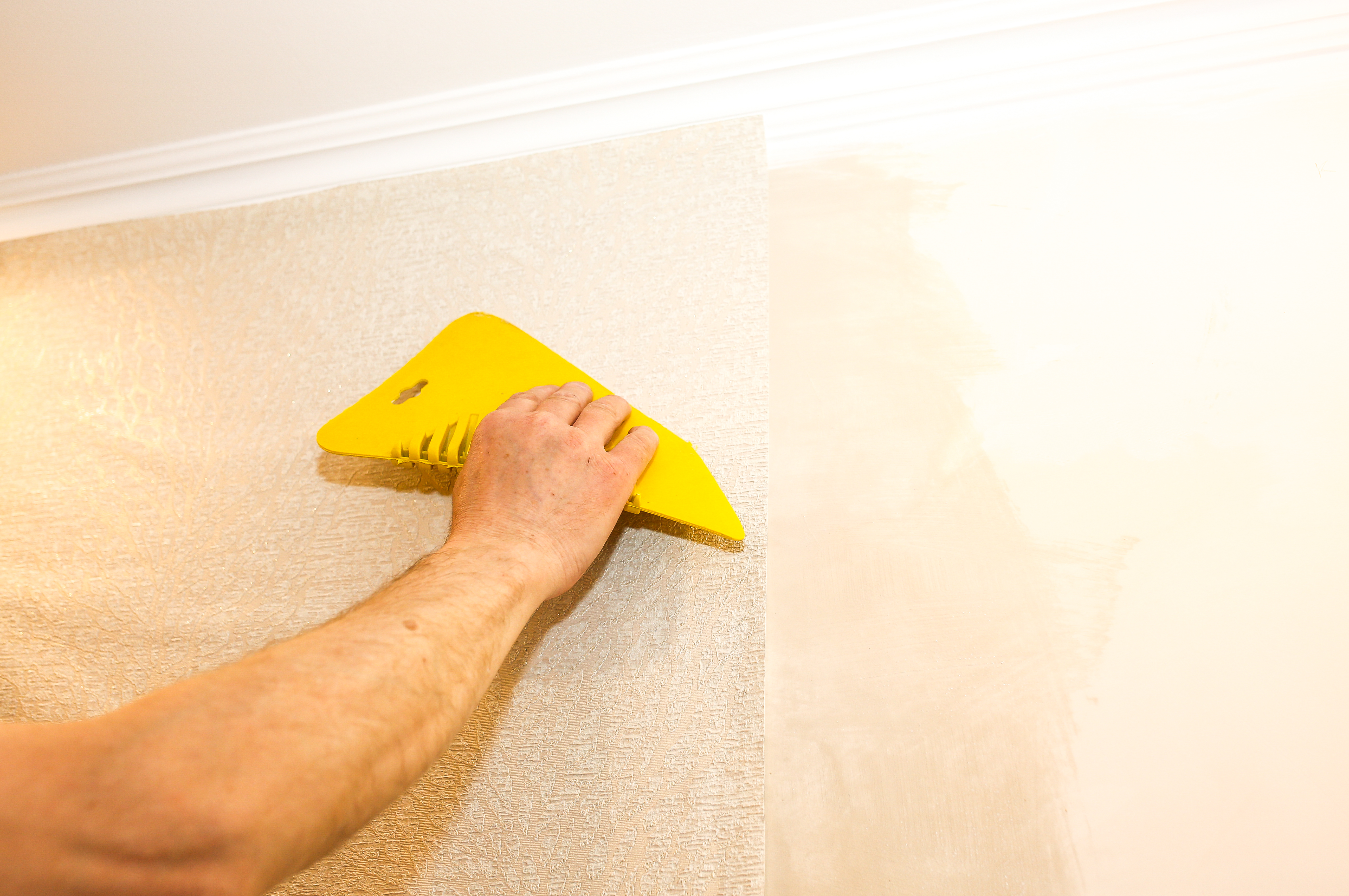
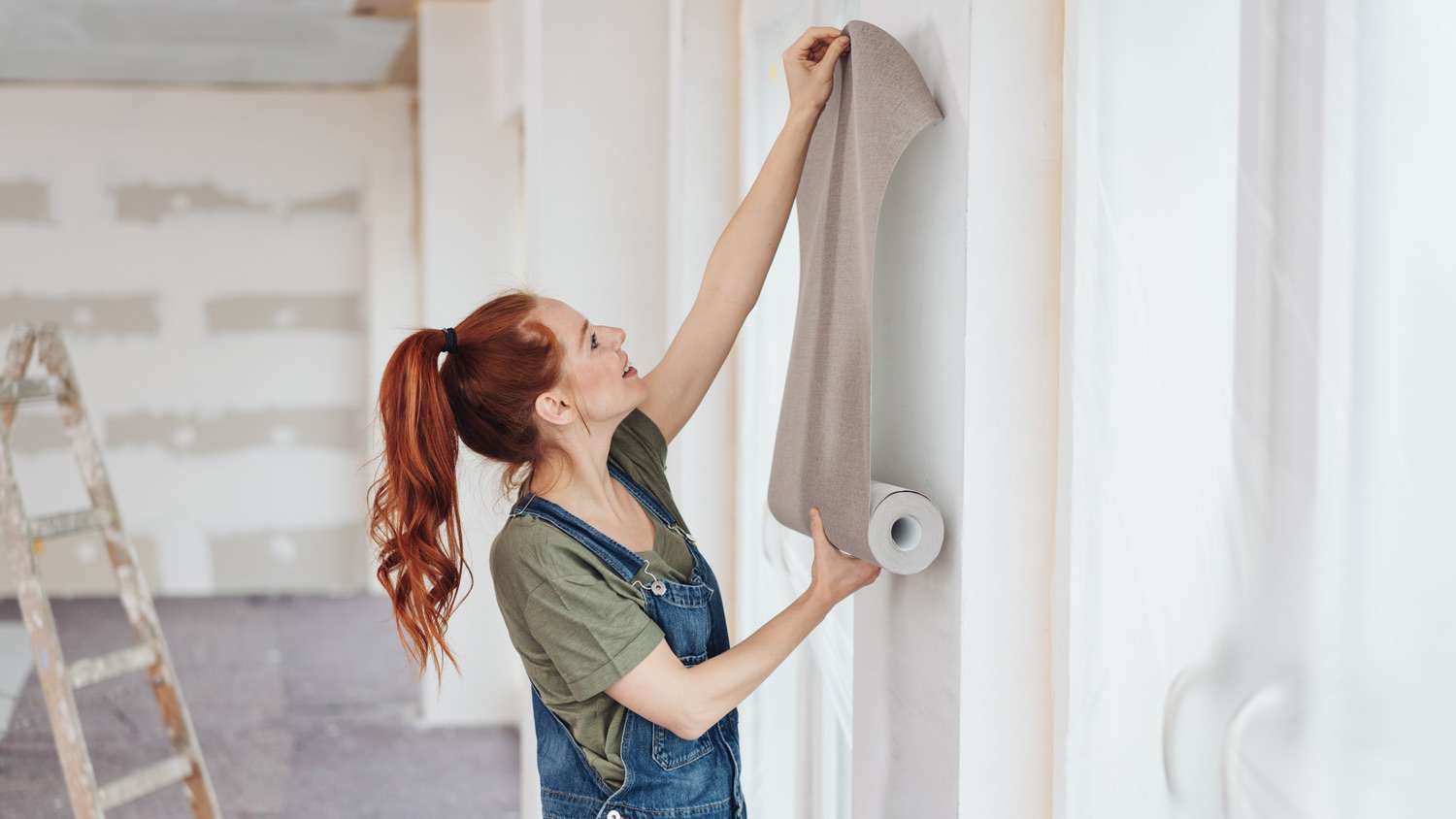
It’s possible to hang your own wallpaper, but the process is tedious and potentially frustrating, and it can be challenging to get seams to line up and look clean and professional. Plus, depending on the type of wallpaper you’re installing, using too much or too little adhesive could cause damage to your drywall or plaster, peeling, and bubbling in the final product. It’s usually a better idea to hire a professional wallpaper installer to do the work for you, as the relatively low cost is justifiable, if only to avoid damage to your walls.
Deciding between a lighter or darker accent wall depends on the effect you’re going for. Choosing an accent wall in a lighter color will make a room feel brighter and more spacious and complement rooms with less natural light. A darker accent wall will add drama and depth to a room and help make larger rooms feel more cozy and intimate.
You shouldn’t need extra adhesive for peel-and-stick backsplash tile. The adhesive on the back of the tile sheets should do the trick. However, if you experience issues with the tile peeling or falling off, make sure the wall you’re working on isn’t textured, as that can prevent the materials from properly adhering.
The Wall, SD homeowners’ guide to wallpaper services
From average costs to expert advice, get all the answers you need to get your job done.
Discover wallpaper installation cost. Learn about material, labor, and project factors to estimate your budget and make informed choices for your home.
Whether you can put wallpaper over wallpaper depends on the type of paper you’re using and the condition of the existing surface. Learn more with this guide.