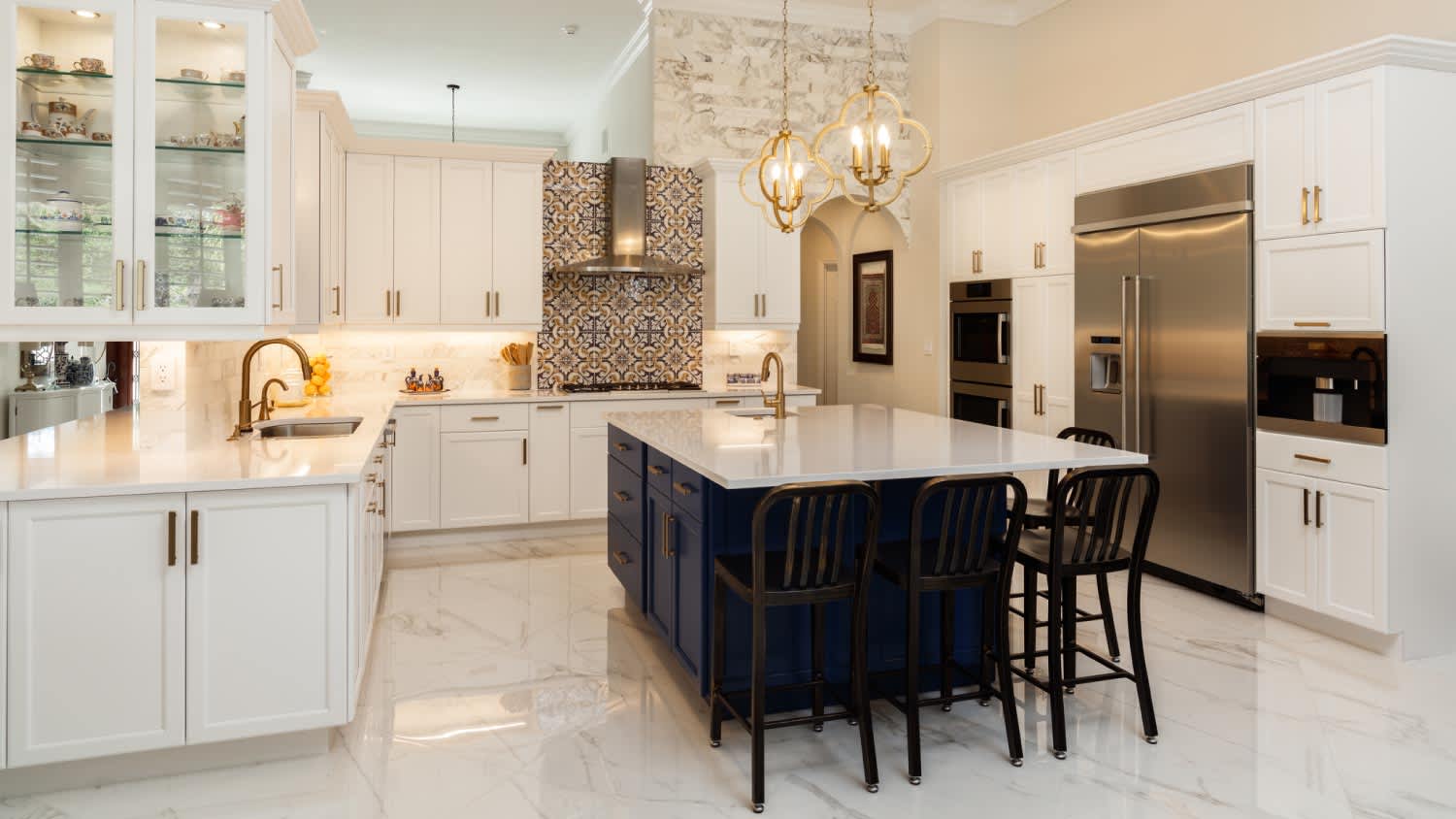






Top-rated marble restoration pros.

Get matched with top marble restoration pros in Tabor, SD

Enter your zip and get matched with up to 5 pros

Need a pro for your marble restoration project in Tabor, SD?

Select your specific project to find the pro for you.

TRUSTED BY TABOR, SD HOMEOWNERS

  • Average homeowner rating star icon4.4
    Average homeowner rating
  • Verified reviews icon15
    Verified marble restoration services reviews

Find Marble restoration pros in Tabor

ORV Floor Covering
New to Angi
Tile: Natural Stone (Granite, Marble, Slate, Quartz, etc) - Repair

Serving Tabor, SD and surrounding areas

In business since 2001

Free estimates

Offers commercial services

ORV Floor Covering is committed to excellence in every aspect of our business. We uphold a standard of integrity bound by fairness, honesty and personal responsibility. Our distinction is the quality of service we bring to our customers. Accurate knowledge of our trade combined with the ability is what makes us true professionals. Above all, we are watchful of our customers' interests, and make their concerns the basis of our business. Give us a call today and find out why so many customers love working with us!

Marble Restoration questions, answered by experts

The frequency for sealing marble countertops depends on several factors, including the quality and color of the stone, the type of sealant used, and the amount of traffic the surface receives. Marble has a porous surface that requires sealing to maintain its shine and resist scratches. As a general rule, you should seal countertops at least once a year. However, for heavily used surfaces, like those in a busy kitchen or family bathroom, you may need to reseal them every three to six months. Conversely, countertops in a rarely used guest bathroom might only need resealing every few years.

Acid can seriously damage granite countertops and lead to etching and erosion. This is why cleaning with vinegar isn’t recommended. Other acidic items that you should keep away from your granite countertops include:

  • Citrus

  • Acetone nail polish remover

  • Tomatoes

  • Ammonia

In addition, always steer clear of using bleach on or around your granite as it will degrade the countertop’s sealant quickly.

Yes, Corian® and other solid surface materials can be cut with standard woodworking tools, such as a circular saw or a jigsaw. However, it is crucial to use the correct type of blade to avoid damaging the material.

For a circular saw, a tungsten carbide-tipped blade is required; a triple chip grind blade is highly recommended. For a jigsaw, you should use a fine-tooth down-cutting blade. Do not use blades designed for cutting wood, as they can cause microfractures that weaken the edges of the countertop. A diamond blade is also unnecessary, as those are designed for harder materials like natural stone, which Corian is not.

After cutting, the edge will be rough. It is essential to sand and smooth the cut edge to prevent microfractures, which can eventually compromise the integrity of the countertop.

Marble is a porous natural stone that needs sealant to minimize staining. Leaving this type of countertop material sealant-free means any liquids left on the surface will quickly absorb into the stone, discoloring it and dulling the sheen. Dark or acidic liquids, like red wine, coffee, and lemon, are the worst culprits. 

While no countertop material is truly “heatproof,” granite countertops are extremely resistant to high temperatures. Some types of granite can withstand temperatures up to 1,200 degrees Fahrenheit. However, we don’t recommend placing hot pots and pans directly on granite countertops. Even if it doesn’t scar the granite, it may damage the sealant.

The Tabor, SD homeowners’ guide to marble restoration services

From average costs to expert advice, get all the answers you need to get your job done.