






Top-rated wallpaper removers.

Get matched with top wallpaper removers in Salem, SD

Enter your zip and get matched with up to 5 pros

Need a pro for your wallpaper removal project in Salem, SD?

Select your specific project to find the pro for you.

Find Wallpaper removers in Salem

Wallpaper Removal questions, answered by experts

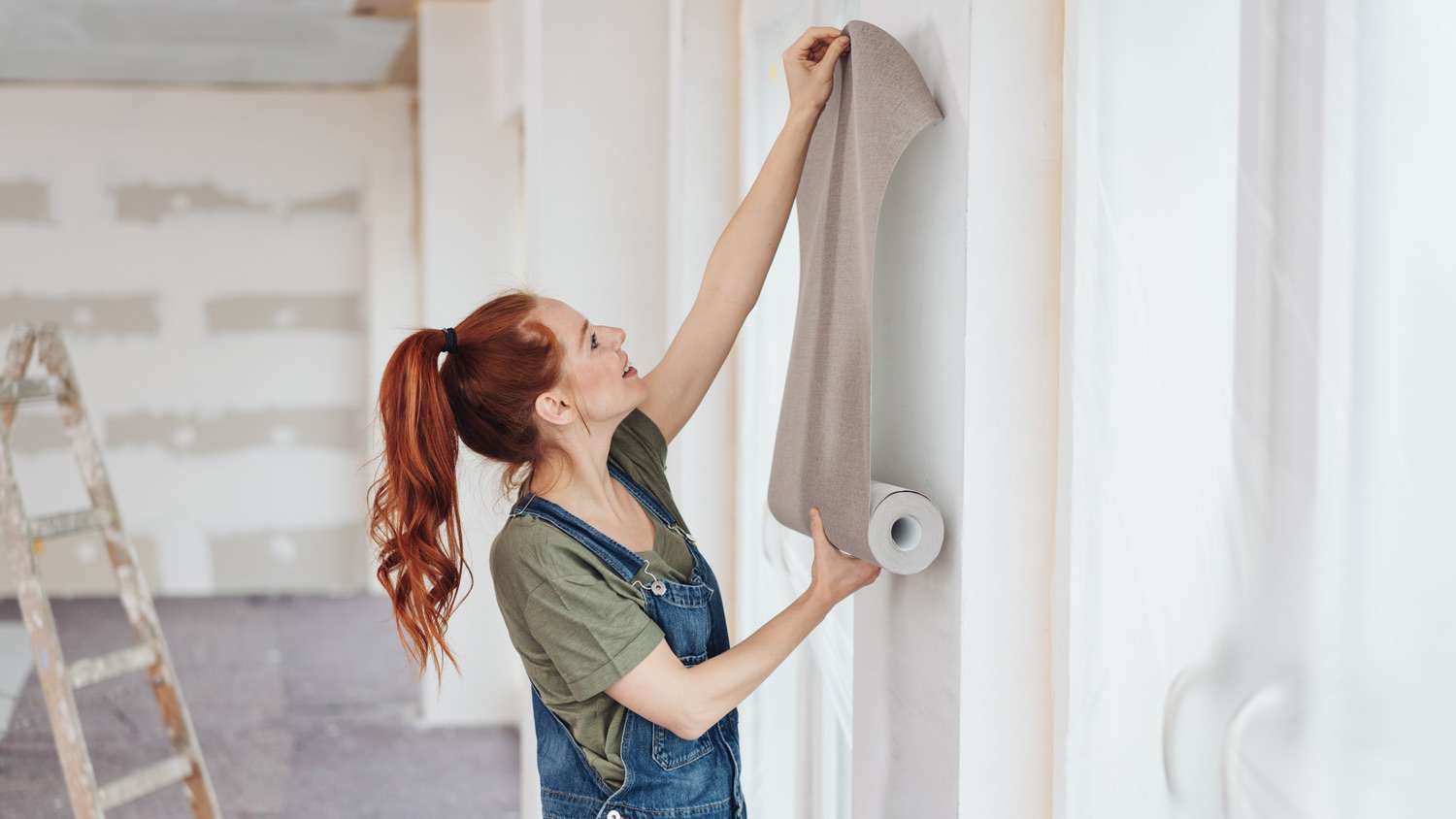
The simple nature of peel and stick wallpaper means it should come off much more easily than traditional wallpaper that is glued to your walls. You’ll still want to work slowly and carefully to avoid tearing it, but most peel and stick wallpaper should come off without a chemical agent to loosen it.

If you’re installing new wallpaper and have leftover glue, you can remove unused wallpaper paste from the bucket or pan it’s in by letting it dry. If it’s an oil-based paste, seal it in a plastic bag and throw it in the garbage. Otherwise, toss the leftover wallpaper paste in the trash. Although it’s water-soluble, don’t rinse unused wallpaper paste down the sink because it could dry in the pipes and cause a blockage.

Wallpaper lasts an average of around 15 years, but there is some variance. The type of wallpaper matters, as vinyl wallpaper tends to last the longest—sometimes 20 years or more—while a peel-and-stick wallpaper, which is the easiest to install for DIYers, will usually only last for around five years. Exposure to high humidity, smoke, and UV rays from sunlight can also limit the lifespan of your wallpaper, as can heavy traffic in the installation area.

Peel-and-stick wallpaper is designed to be removed without damaging walls, making it a good choice for renters or temporary design changes. However, damage to paint or drywall can occur under certain conditions. To prevent issues, the wall surface must be properly prepared before application—it should be clean, smooth, dry, and correctly primed or painted. Applying wallpaper to a freshly painted surface can cause the paint to peel off during removal. Additionally, removing the wallpaper too quickly or aggressively can also cause damage. For best results, always follow the manufacturer's instructions for both application and removal.

In most cases, it is not recommended to wallpaper over existing wallpaper, as the success depends on the type of paper already on the wall. While you might be able to cover non-coated wallpaper, you should never apply new wallpaper over a vinyl-coated one, which is more common. Doing so can lead to poor adhesion, resulting in bubbles, imperfections, and peeling. It can also trap moisture, potentially causing hazardous mold growth between the layers.

Even if the existing wallpaper is suitable, experts recommend applying only one new layer. Adding multiple layers (more than two total) can cause significant adhesion problems, leading to warping and bubbling. For the best results, the recommended approach is to remove the old wallpaper and all paste residue before hanging the new paper. If you are unsure about your wallpaper type, consider consulting a professional.

The Salem, SD homeowners’ guide to wallpaper removal services

From average costs to expert advice, get all the answers you need to get your job done.