"I only use James when I need some work done to my house. He responds fast, gets the work done quicker than just about anyone else I've ever used and seems very concerned with leaving his customers happy."
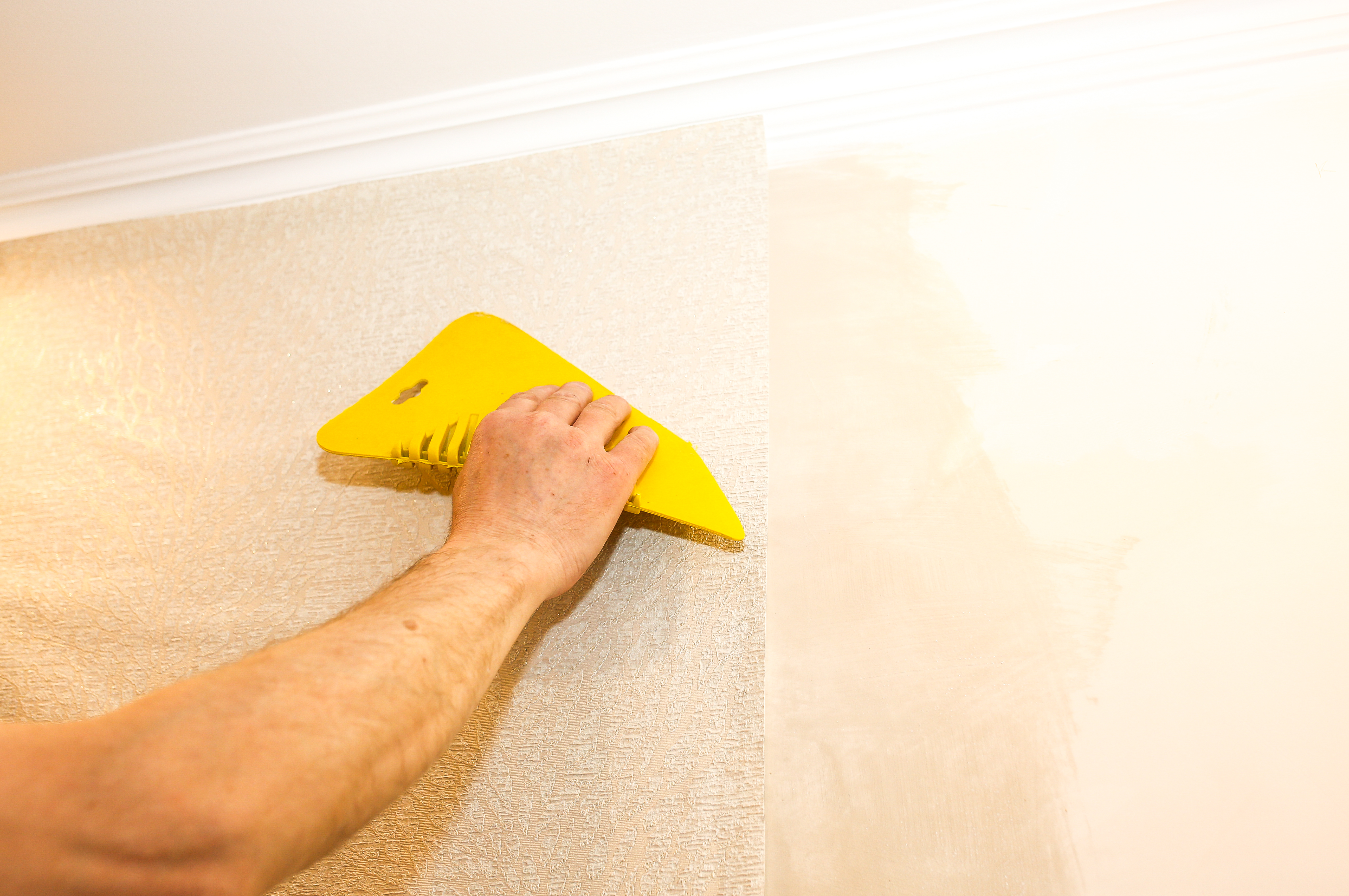
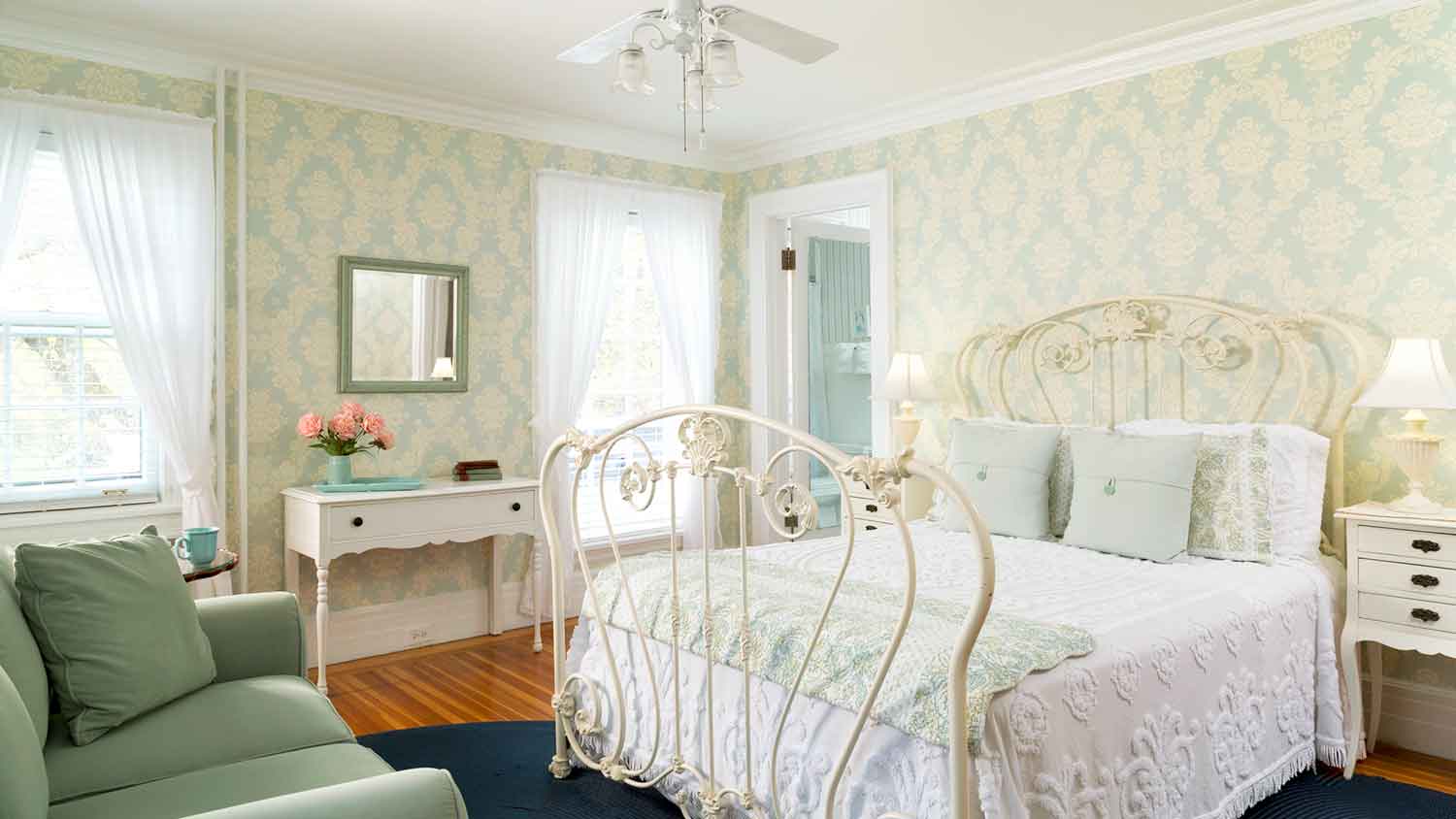
No, you don’t always have to remove old wallpaper before applying a new layer. However, you should pull off the existing wallpaper if it’s cracked, peeling, or in poor condition. We’d also recommend against putting wallpaper over textured or dark-colored wallpaper because the old layer may be visible through the new one. In addition, if you try to hang new wallpaper over vinyl-coated wallpaper, the adhesive might not stick properly.
It is less costly to paint than wallpaper when you only consider the upfront cost. Wallpaper costs $320 to $820 when applied by a pro, while paint only costs $200 to $700 per room. However, when comparing wallpaper versus paint, consider the long-term as well. Wallpaper can save you money over time since it has a much longer life span than paint.
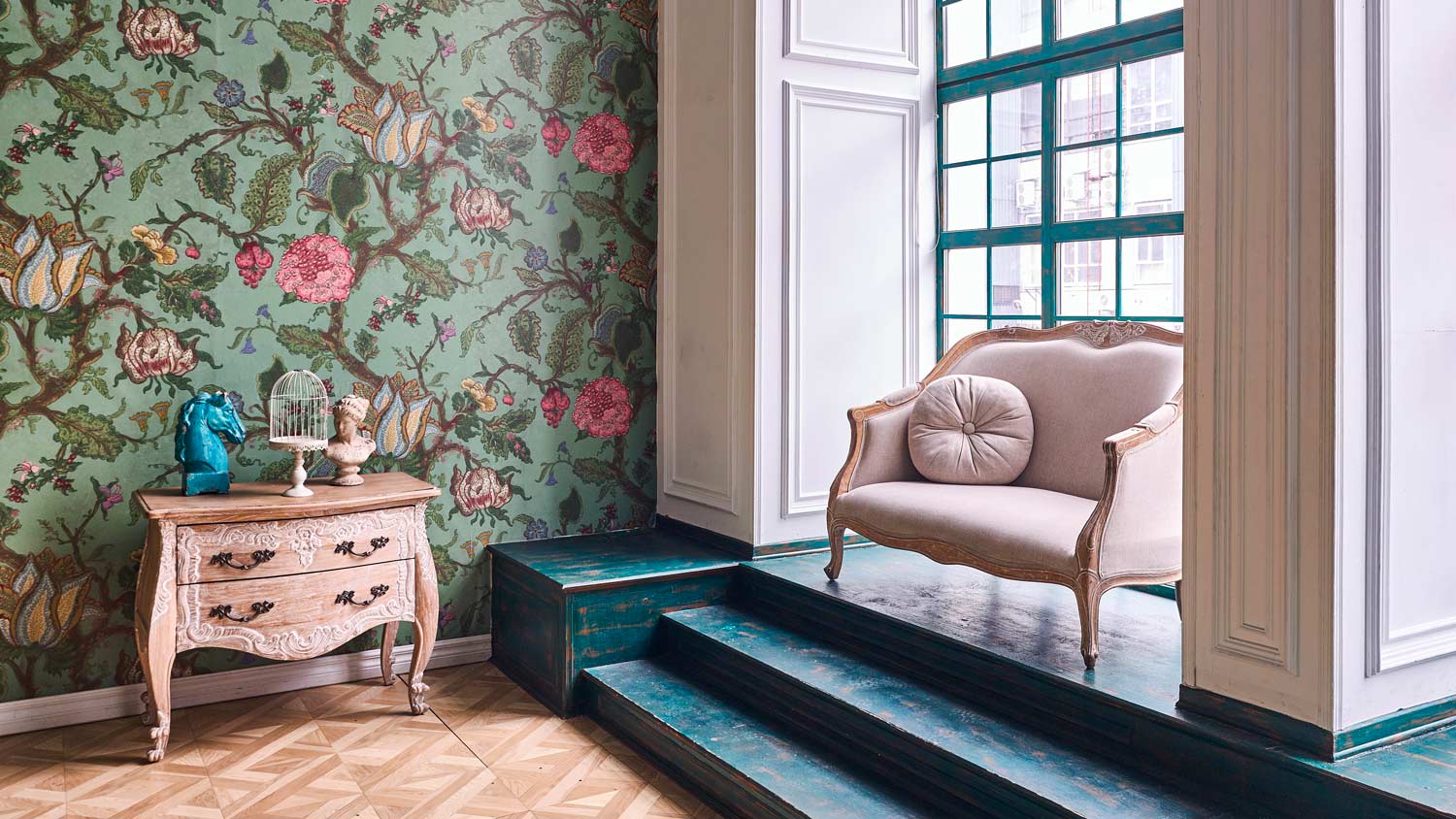
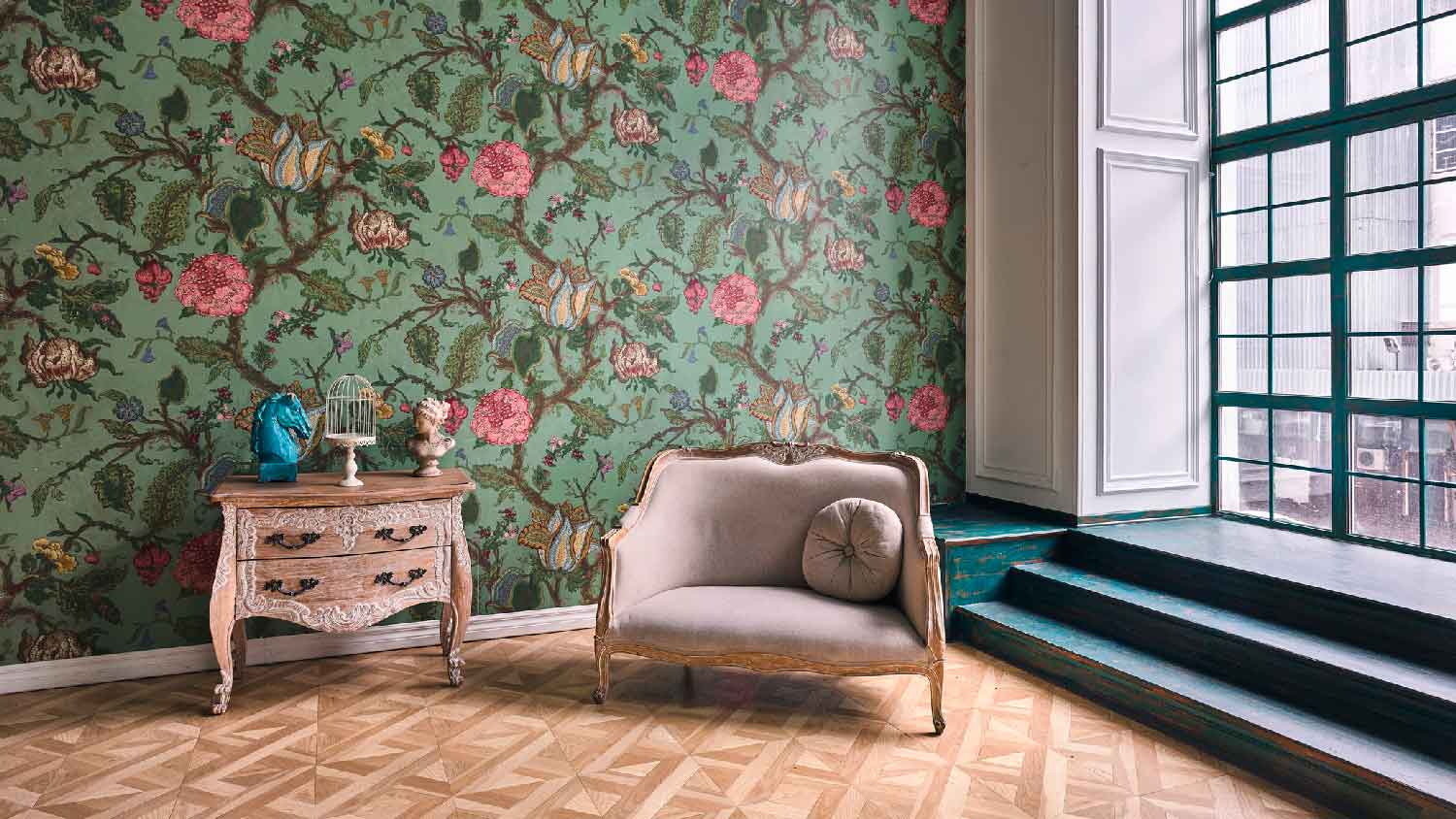
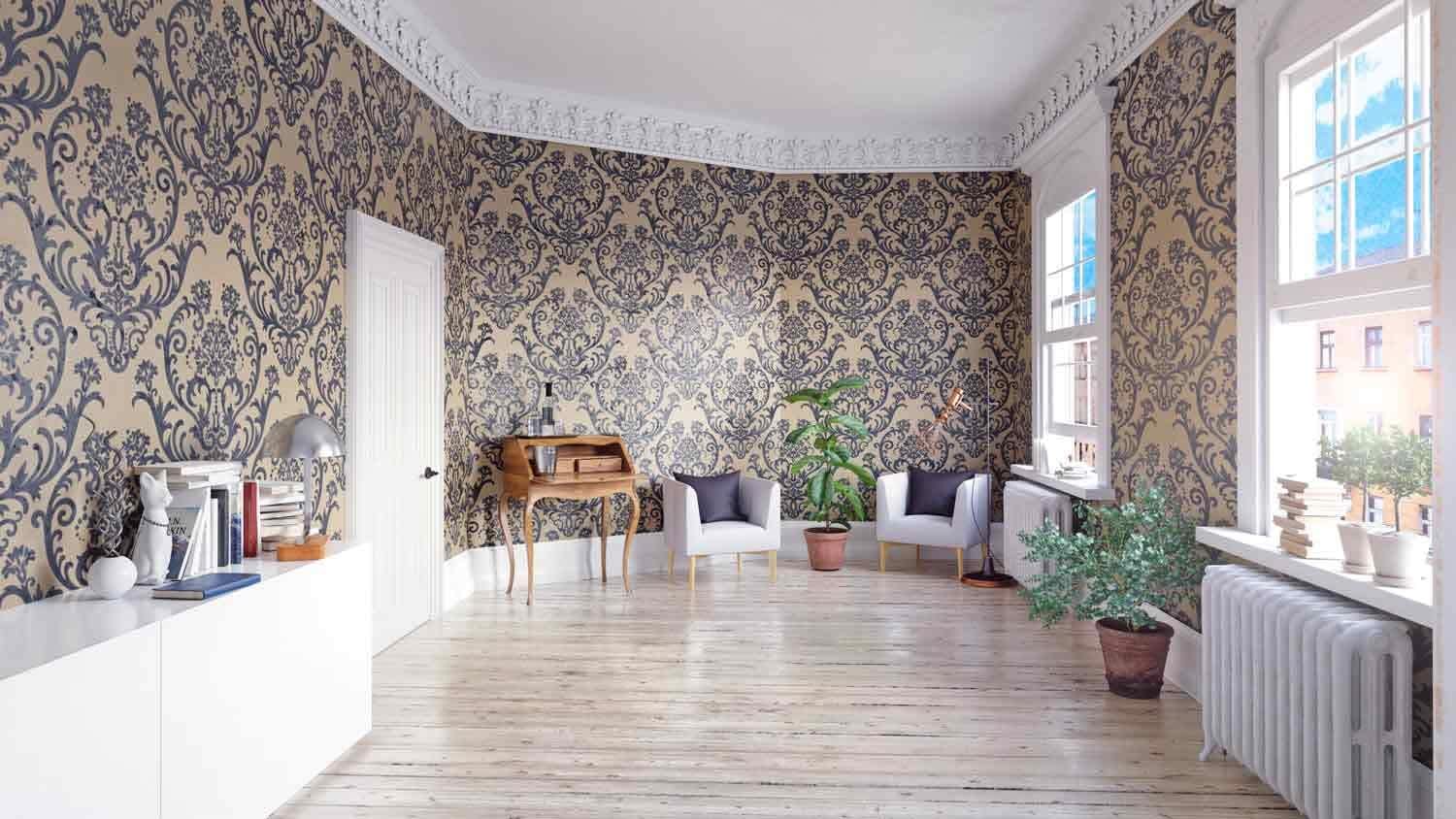
Darker walls may make tight bathrooms appear even smaller, but one dark accent wall can really make a bathroom pop. Wallpaper with a dark background can add intrigue and sophistication. Still, if you’re looking to open the room up and give it a modern, airy feeling, light colors may work best for your needs. Although there are some popular and unpopular opinions, there’s really no “should” when it comes to personal design choice.
Because replacing pool tiles requires fully draining your pool, it’s a great opportunity to complete other projects. You may want to replace your pool’s vinyl liner or repair cracks. You might also replace your swimming pool heater or even take on the cost of resurfacing your pool. Resurfacing, although relatively costly, can help prolong the lifespan of your pool.
Having dated, peeling, or otherwise damaged wallpaper can decrease the value of your property, so removing that before listing your house is nearly always a good idea; however, since wallpaper tends to be a personal style choice, potential buyers may or may not love your aesthetic as much as you do.
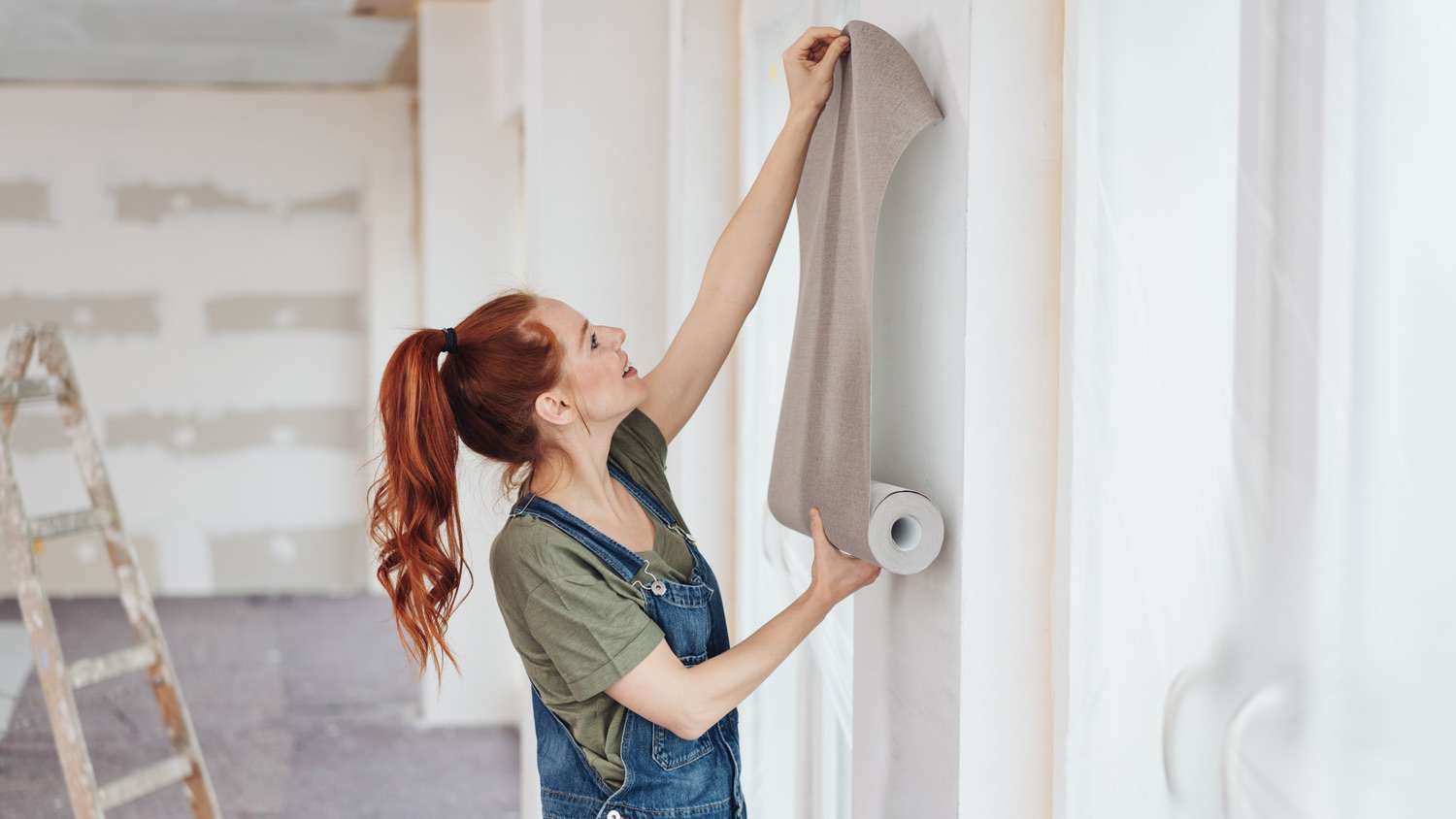
Love the look of wallpaper but want to consider property value as well? Stick with something that is easy to change. If you are thinking of selling soon, make sure your wallpaper hanging is on-point and looks professional with no crooked seams, evenly matched patterns, and minimal bubbling or other imperfections.
The Mission, SD homeowners’ guide to wallpaper services
From average costs to expert advice, get all the answers you need to get your job done.
Discover wallpaper installation cost. Learn about material, labor, and project factors to estimate your budget and make informed choices for your home.
Whether you can put wallpaper over wallpaper depends on the type of paper you’re using and the condition of the existing surface. Learn more with this guide.