"I only use James when I need some work done to my house. He responds fast, gets the work done quicker than just about anyone else I've ever used and seems very concerned with leaving his customers happy."
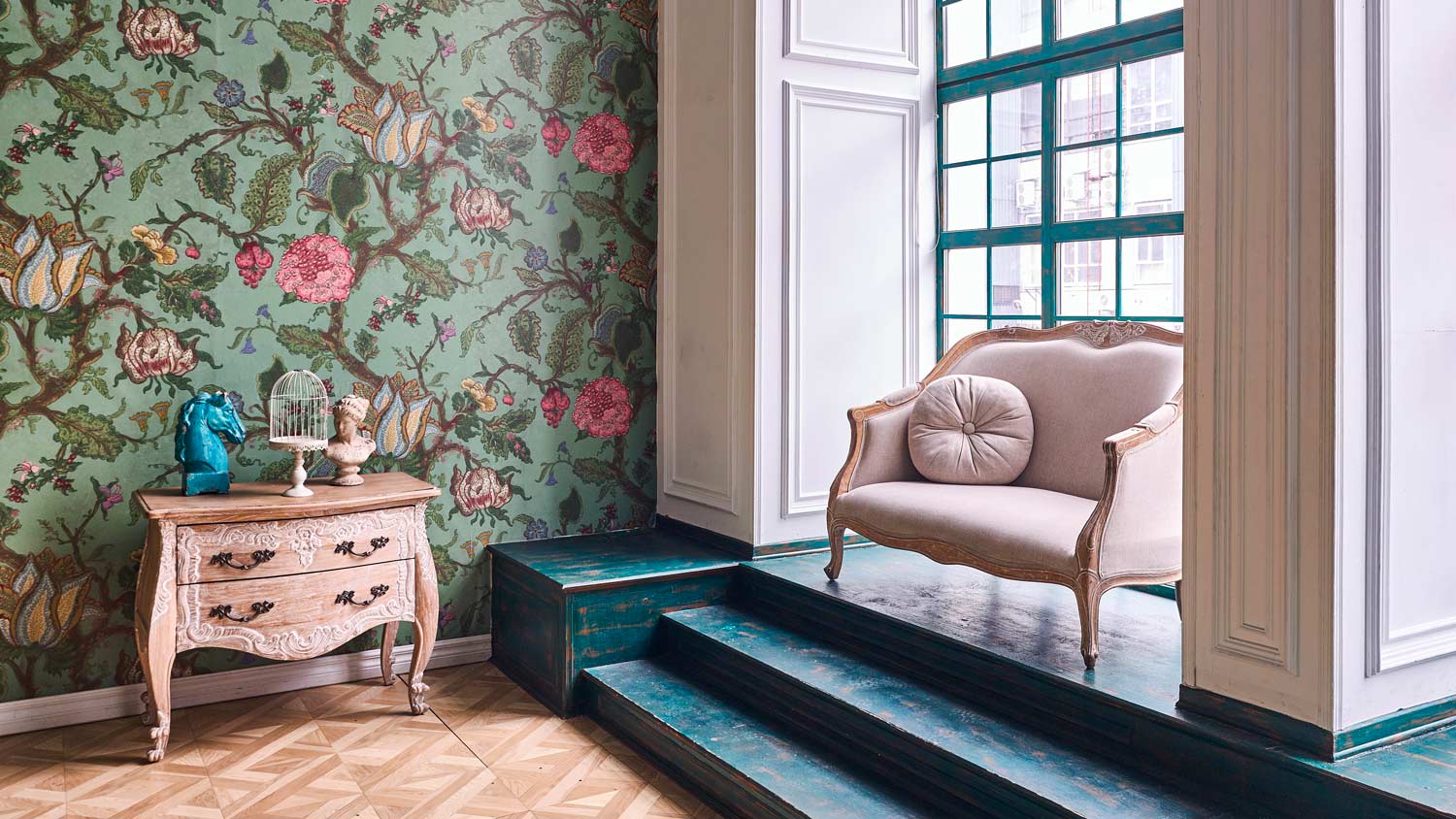
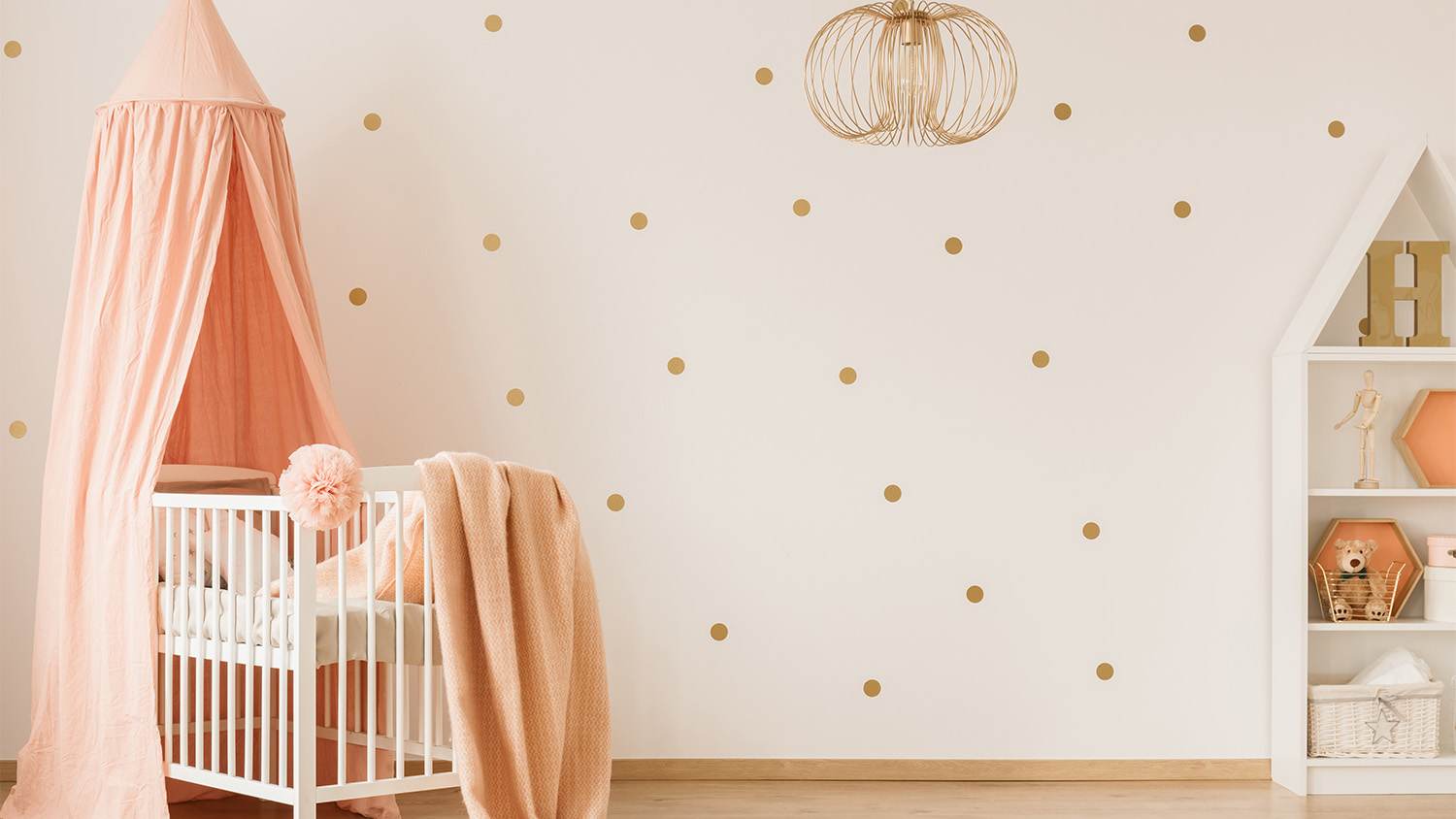
To pair a unique sense of style with white walls, keep them well-decorated. Hang vibrant art or bold furniture to add color to the room. Add some texture and greenery to the space with plants. Choose accent pieces such as throw pillows or light fixtures with patterns. Having a white wall can be a plus as it allows homeowners to easily decorate their homes as they desire without worrying about clashing with the paint color.
Wallpaper lasts an average of around 15 years, but there is some variance. The type of wallpaper matters, as vinyl wallpaper tends to last the longest—sometimes 20 years or more—while a peel-and-stick wallpaper, which is the easiest to install for DIYers, will usually only last for around five years. Exposure to high humidity, smoke, and UV rays from sunlight can also limit the lifespan of your wallpaper, as can heavy traffic in the installation area.
The two most common reasons wallpaper does not stick are a lack of preparation and improper adhesive. Be sure to use the wallpaper paste designed for the type of paper you choose. Before beginning your project, make sure the walls are clean and free of dust, grease, and oils.
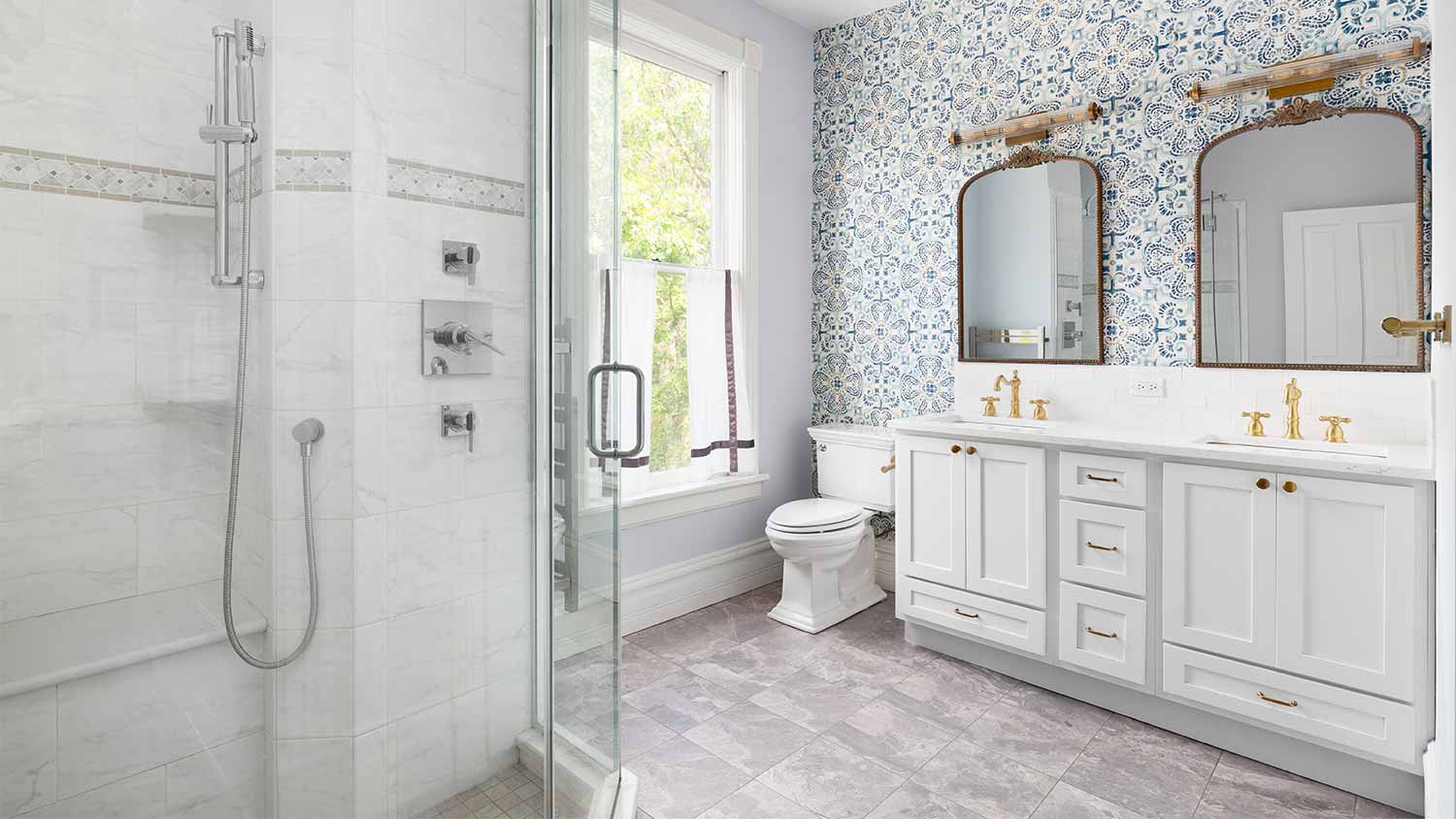
Once again, contact with moisture is the culprit here, though water-resistant varieties of wallpaper are less likely to become wet and develop mold. Using a high-quality exhaust fan or dehumidifier and leaving the doors or windows cracked after bathing will keep this issue at bay.
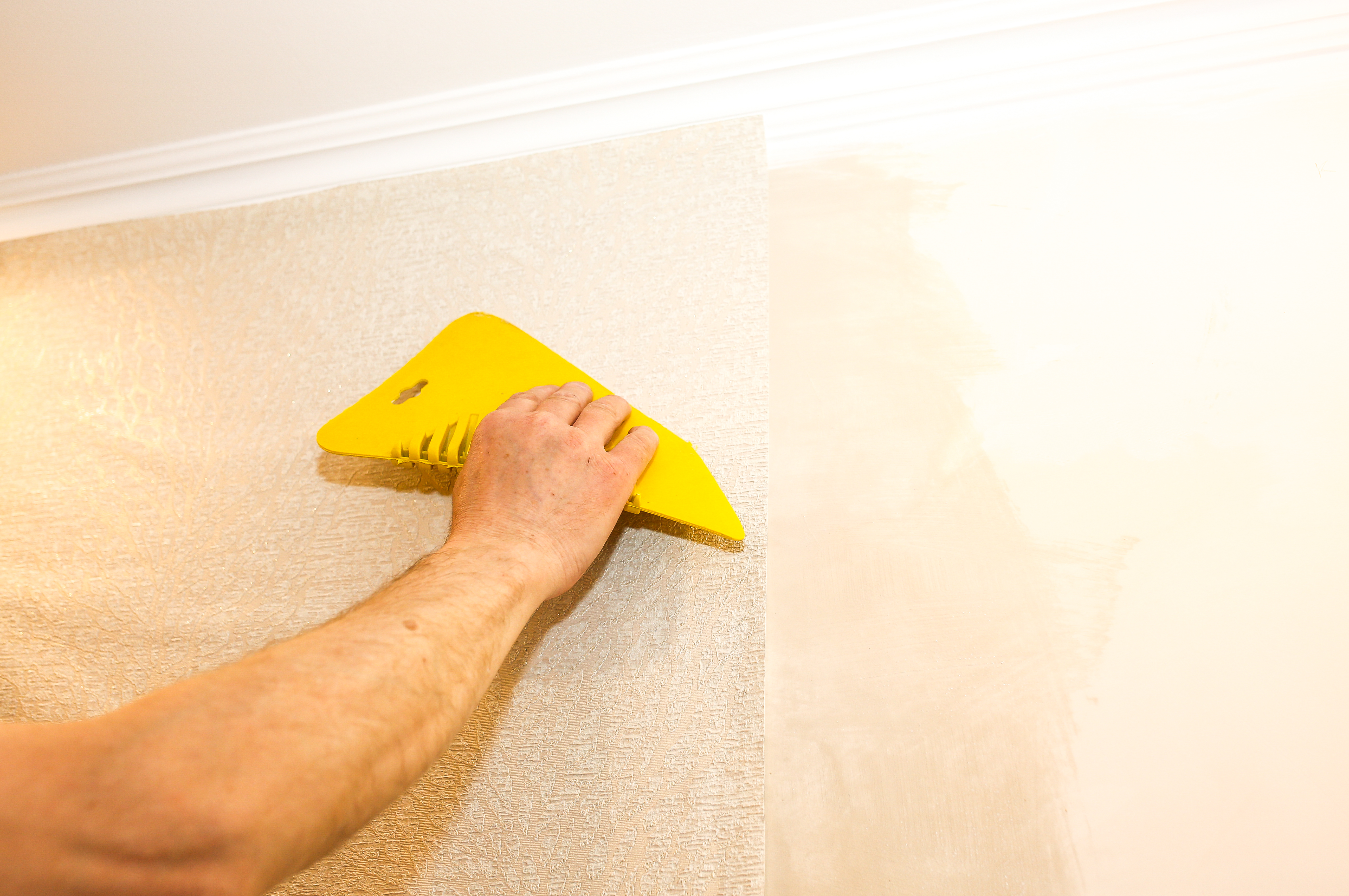
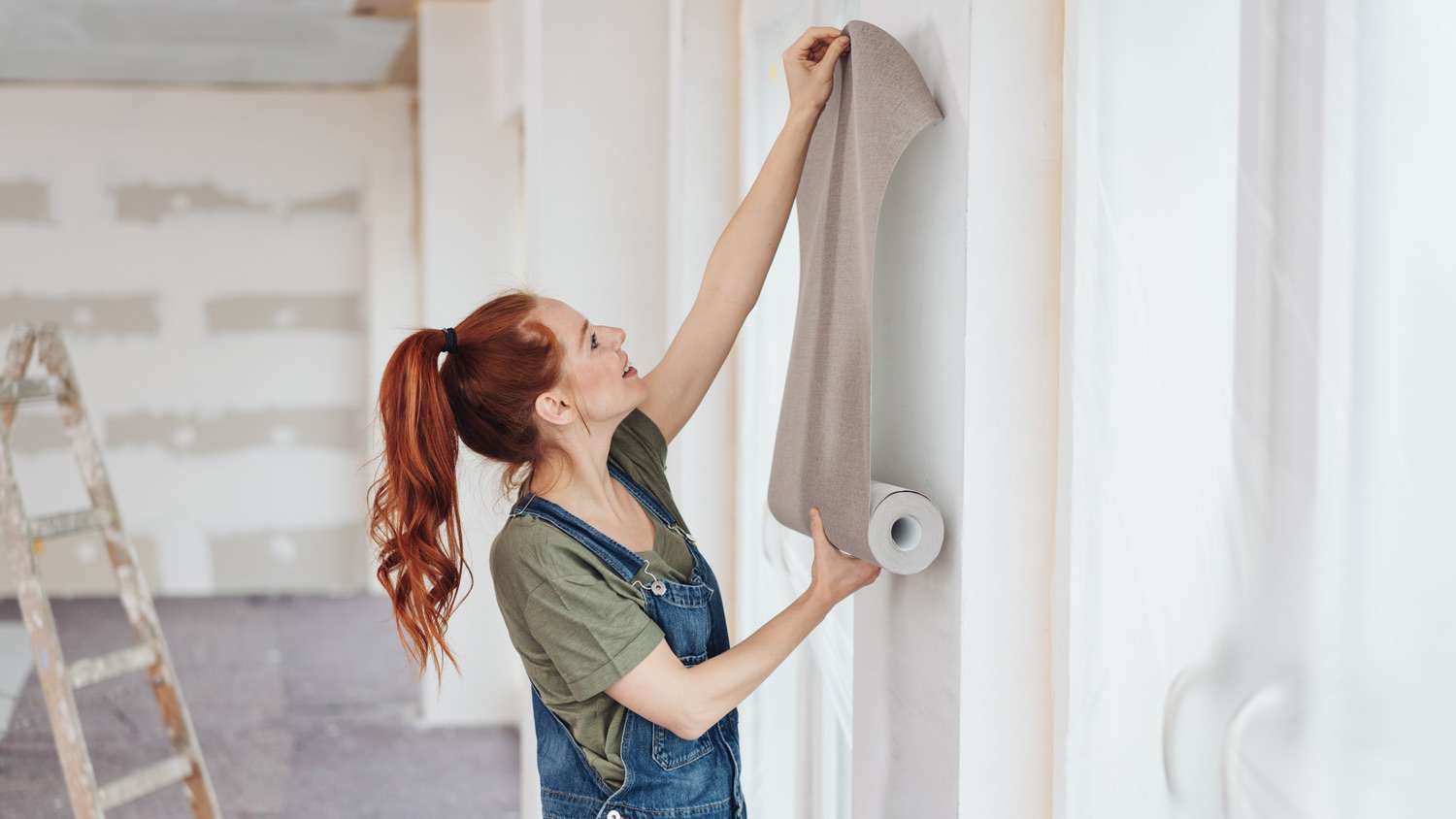
Hanging wallpaper may seem simple, but in practice it requires significant planning and finesse to make it look professional. To start, you need to get an even application of wallpaper paste across all of your wallpaper, which requires experience and large pasting tables to get right. You also need to plan out your design and match it exactly so that you don’t have imperfections in the finished product. It’s often better to hire a professional wallpaper hanger who can get the job done properly for a clean, smooth finish.
The Spencer, NE homeowners’ guide to wallpaper services
From average costs to expert advice, get all the answers you need to get your job done.
Discover wallpaper installation cost. Learn about material, labor, and project factors to estimate your budget and make informed choices for your home.
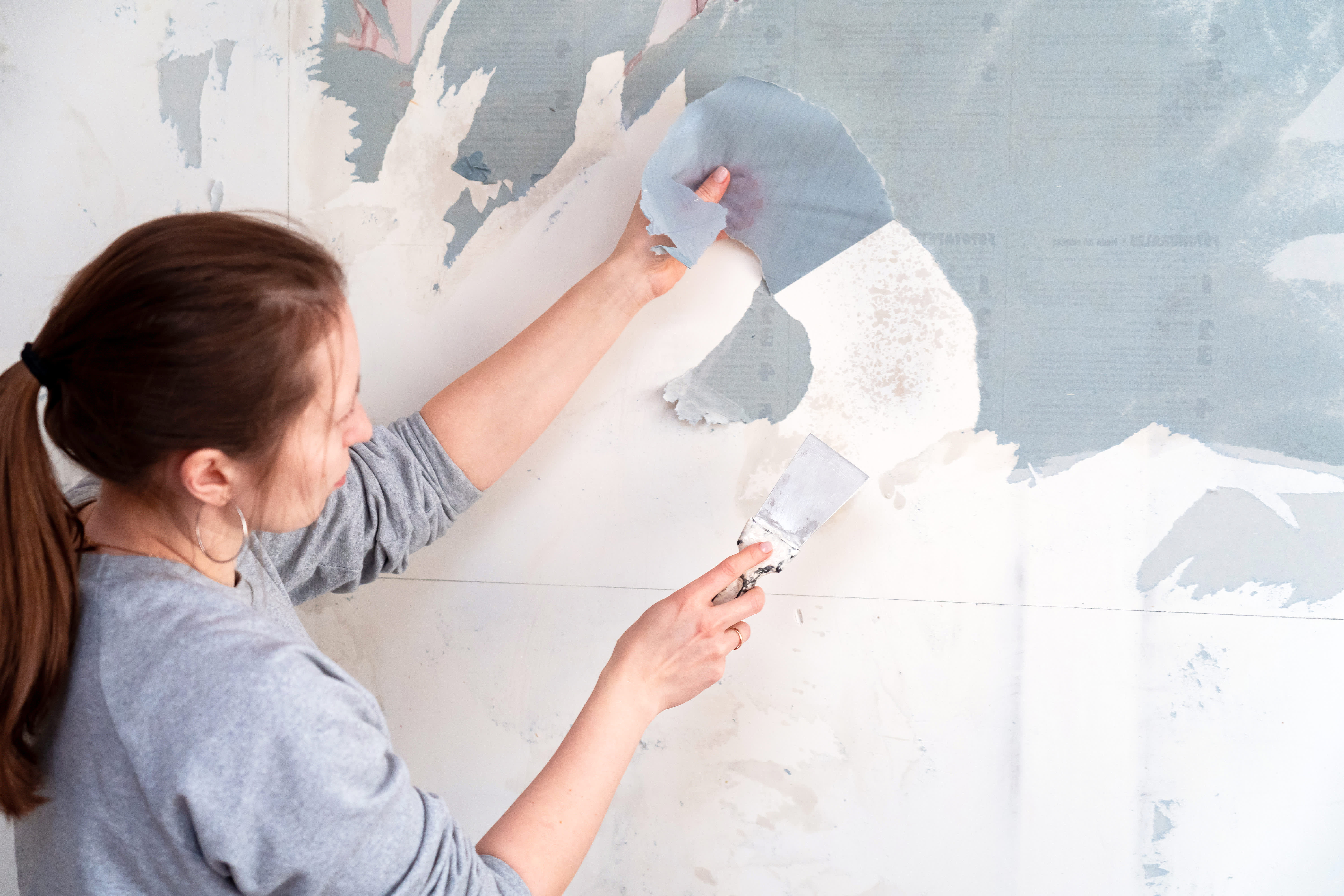
Wallpaper removal requires physical labor and can be a sticky mess. Consider these tips on the best ways to remove wallpaper to make the process as smooth as possible.
Is washable wallpaper suitable for bathrooms? Yes, but this only applies to certain types of wallpaper in specific situations. Here’s what you need to know.
Taking down wallpaper is a tedious and time-consuming job. Here are some tips on how to hire someone to remove wallpaper for you to make your life easier.