TH's Paining and Designs is committed to excellence in every aspect of our business. We uphold a standard of integrity bound by fairness, honesty, and personal responsibility. Our distinction is the quality of service we bring to our customers. Accurate knowledge of our trade combined with ability is what makes us true professionals. Above all, we are watchful of our customers' interests, and make their concerns the basis of our business.\n
Sandblasting Services questions, answered by experts
DIY is possible, but professional services ensure even removal, safety compliance, and proper cleanup.
Most projects take 1-3 days, depending on the surface area and complexity.
Costs depend on paint type, surface condition, labor, and required prep work for repainting.
Because these two systems have different applications, there is no definitive answer to which is better. When working with sturdy materials, sandblasting is cheaper and faster, but more delicate projects require soda blasting. Before choosing either option, consider your specific needs, particularly your ultimate goal (cleaning, removing rust, prepping for painting, etc.), the material, and your budget.
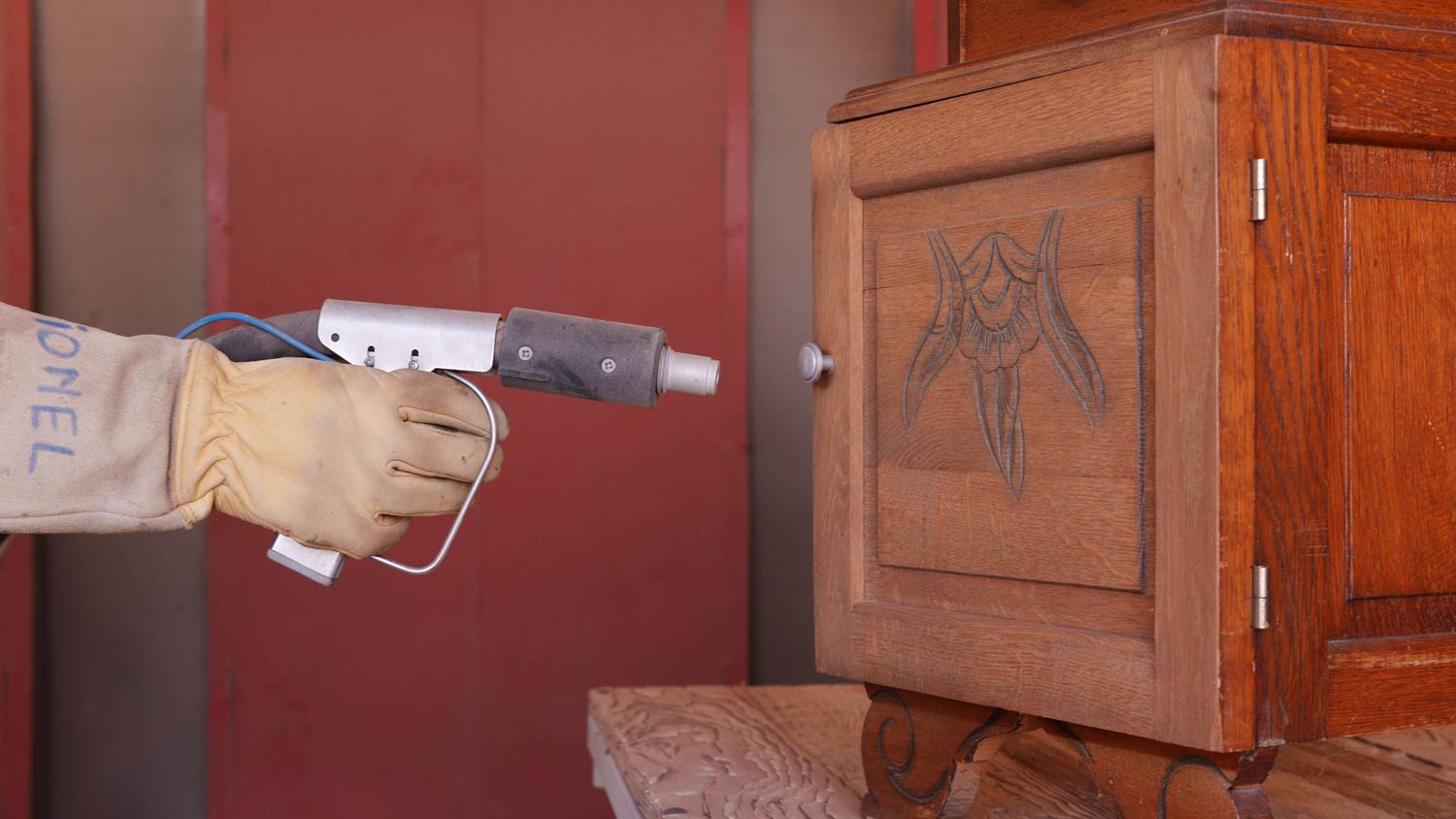
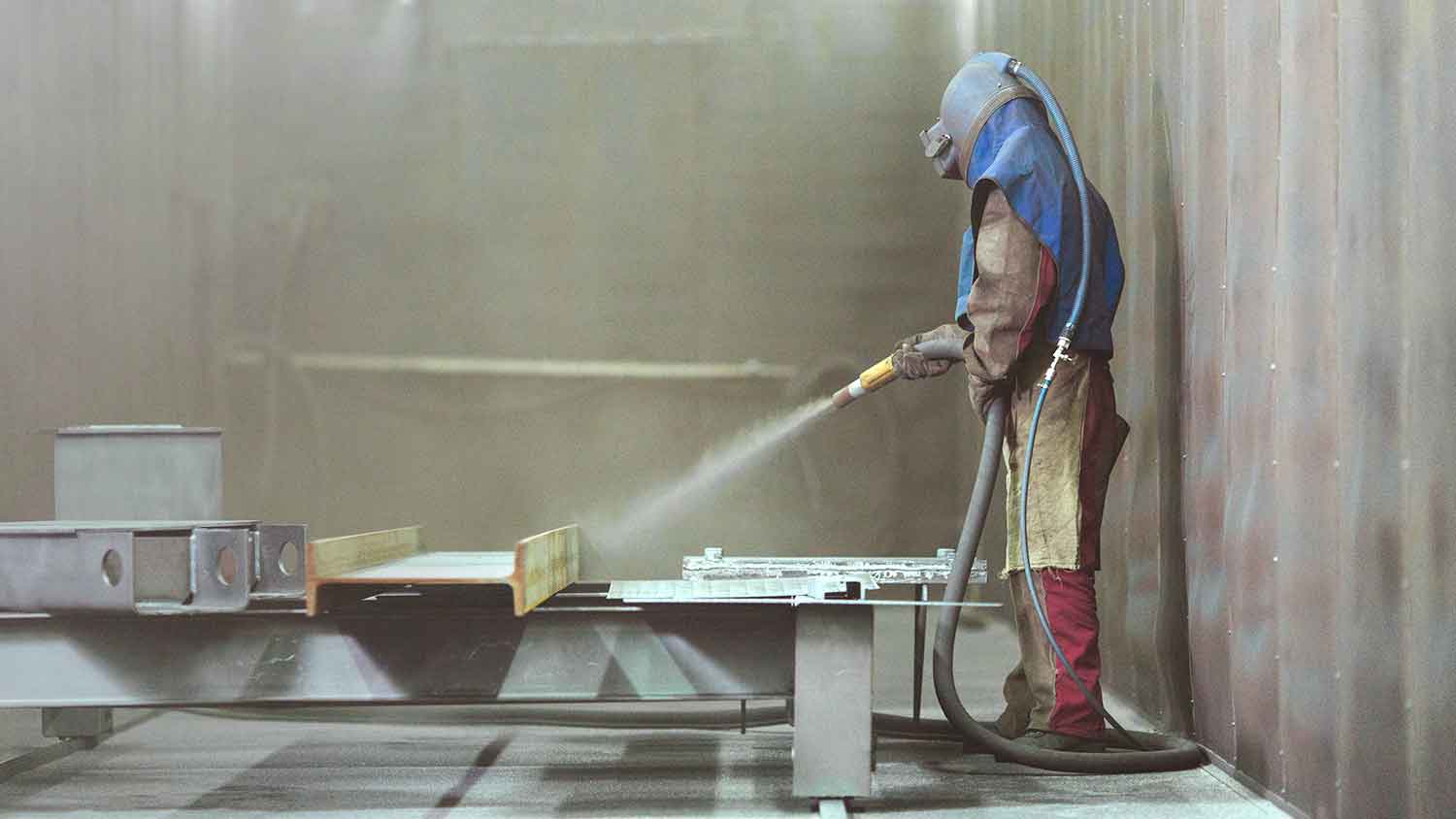
Sandblasting is useful when you need to strip material off a hard surface. Common reasons to sandblast are to remove paint, rust, or get a surface ready for a new material. You aren’t limited to surfaces like walls either—you can sandblast rusted tools, bicycle frames, cement, bricks, and many others. If what you’re sandblasting is still structurally sound, sandblasting can be a fast and inexpensive way to revive the original material.
The Miller, SD homeowners’ guide to sandblasting services
From average costs to expert advice, get all the answers you need to get your job done.
Sandblasting is a powerful method to remove paint, primer, and other coatings from hard surfaces. Learn the cost to rent a sandblaster and the factors involved.
The cost to sandblast your home’s exterior or another surface on your property depends on the method and the materials you use. Learn more with this guide.