"Excellent service! Pro was nice, easy to work with, professional! Never would have known he was here, he cleaned the working area so well! I would definitely recommend Blackburn Basement!!"
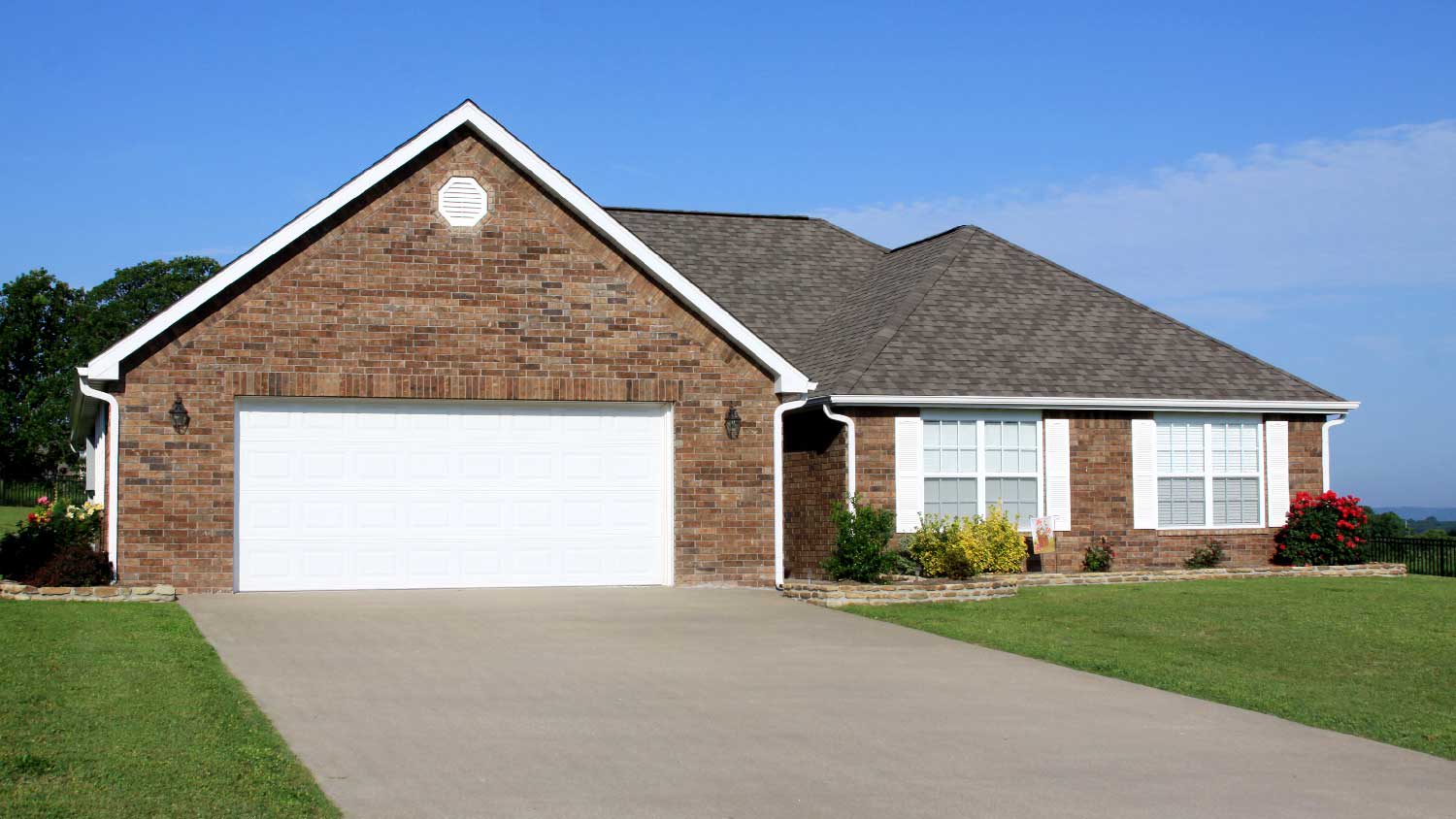
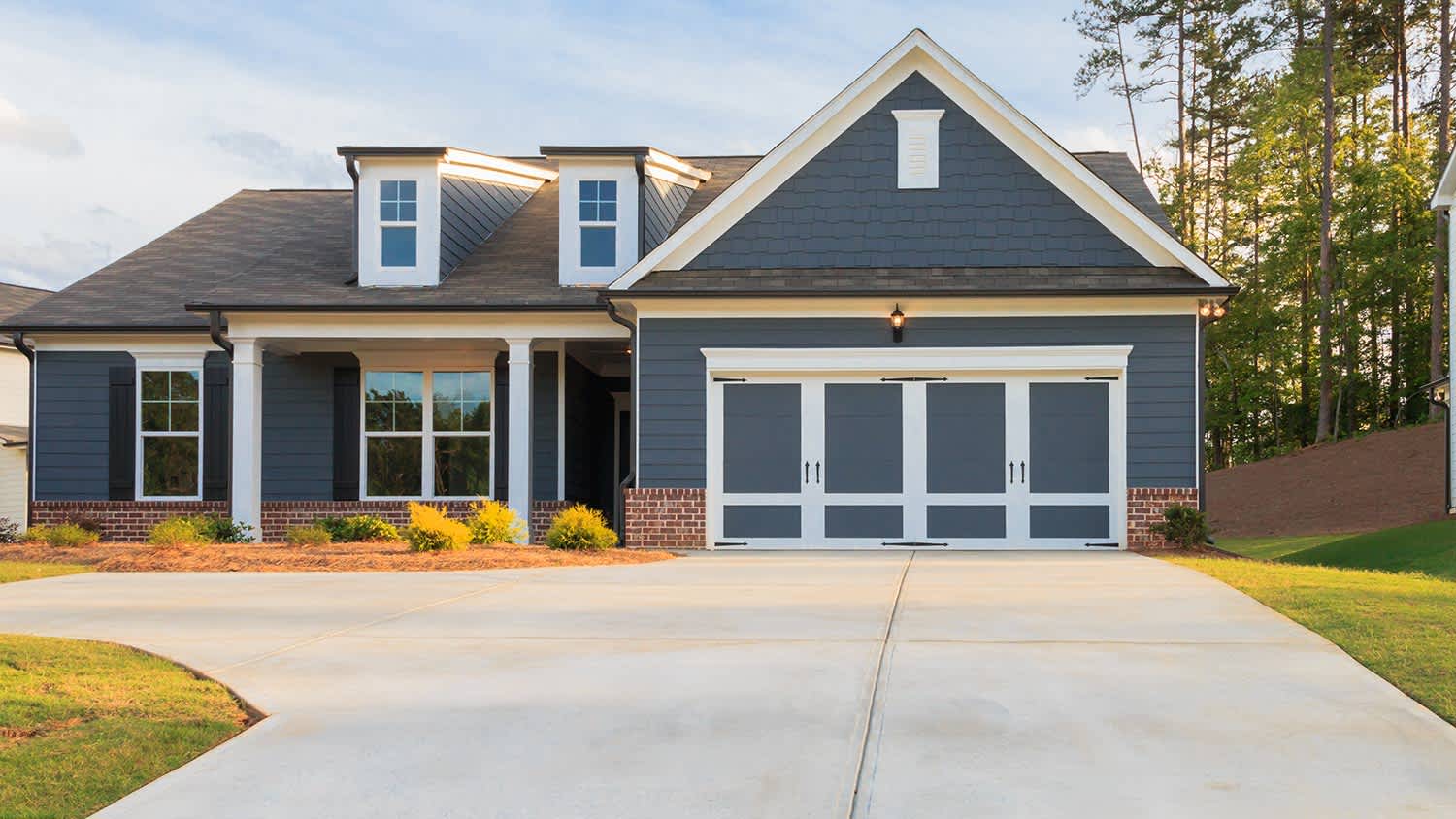
"Our project was to lift and balance a garage floor and long driveway using foam. Marc, Ben and Andrew showed up on time, did a thorough job, explaining the process every inch of the way. They did what was contracted for plus a bit. The cleanup was everything I could have asked for. We were told exactly what possible problems to watch for and what to do about them. A very good experience and a good warranty."
Enhanced Basements foundation repair offers reliable and affordable foundation repair solutions. Our dedicated team is committed to providing high-quality services to address various foundation issues. We take pride in our work and strive to ensure the safety and stability of your property.
We have a single mission: Complete Customer Satisfaction! We have consistently focused on the needs of our customers, providing personalized attention and a stress-free experience.\nYou will find us to be competitively priced with close attention to the details.\nOur reputation is based on service, safety, and quality, regardless of how large or small the job.\nWe look forward to building a lasting relationship and guarantee your satisfaction!\n
Concrete Mudjacking questions, answered by experts
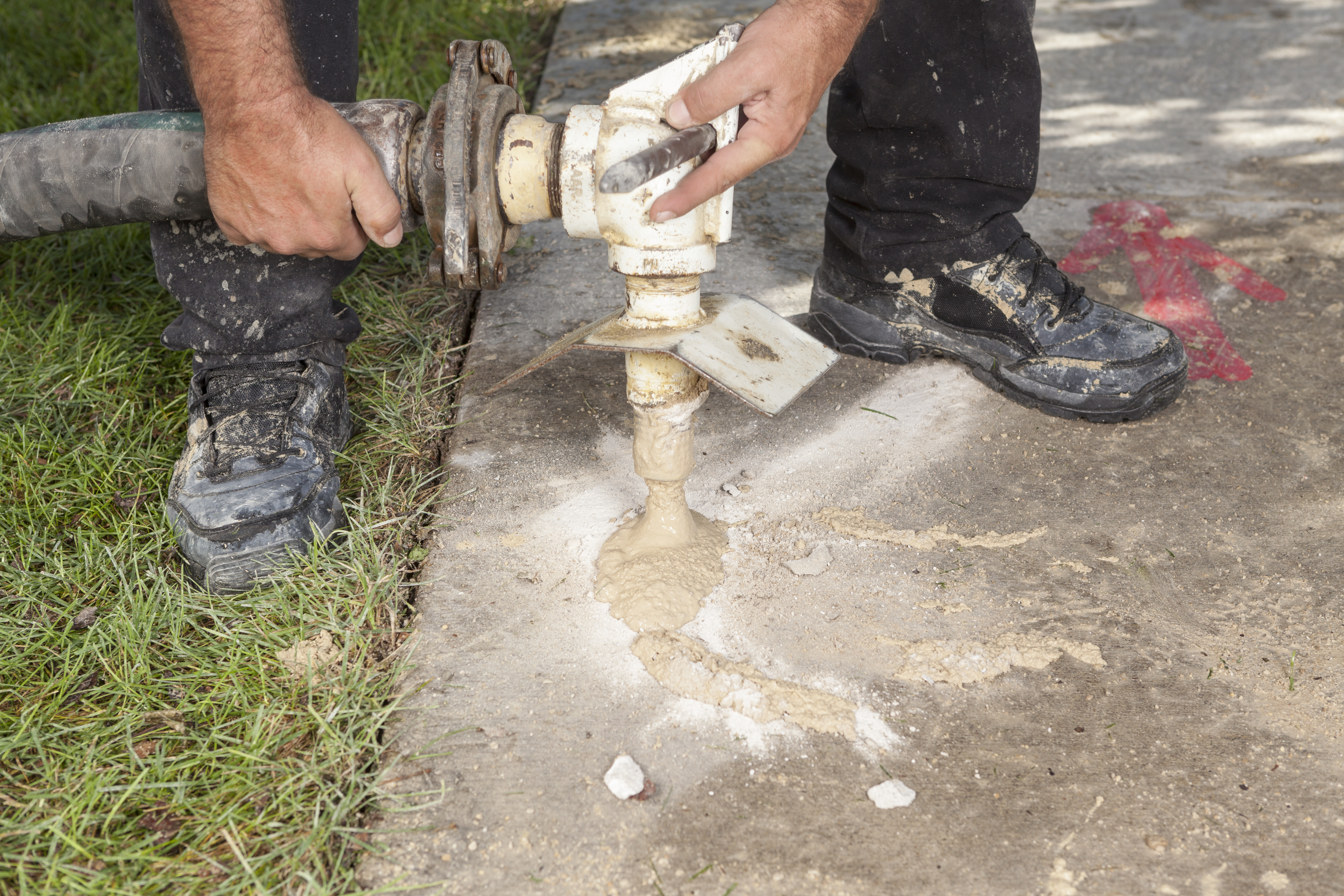
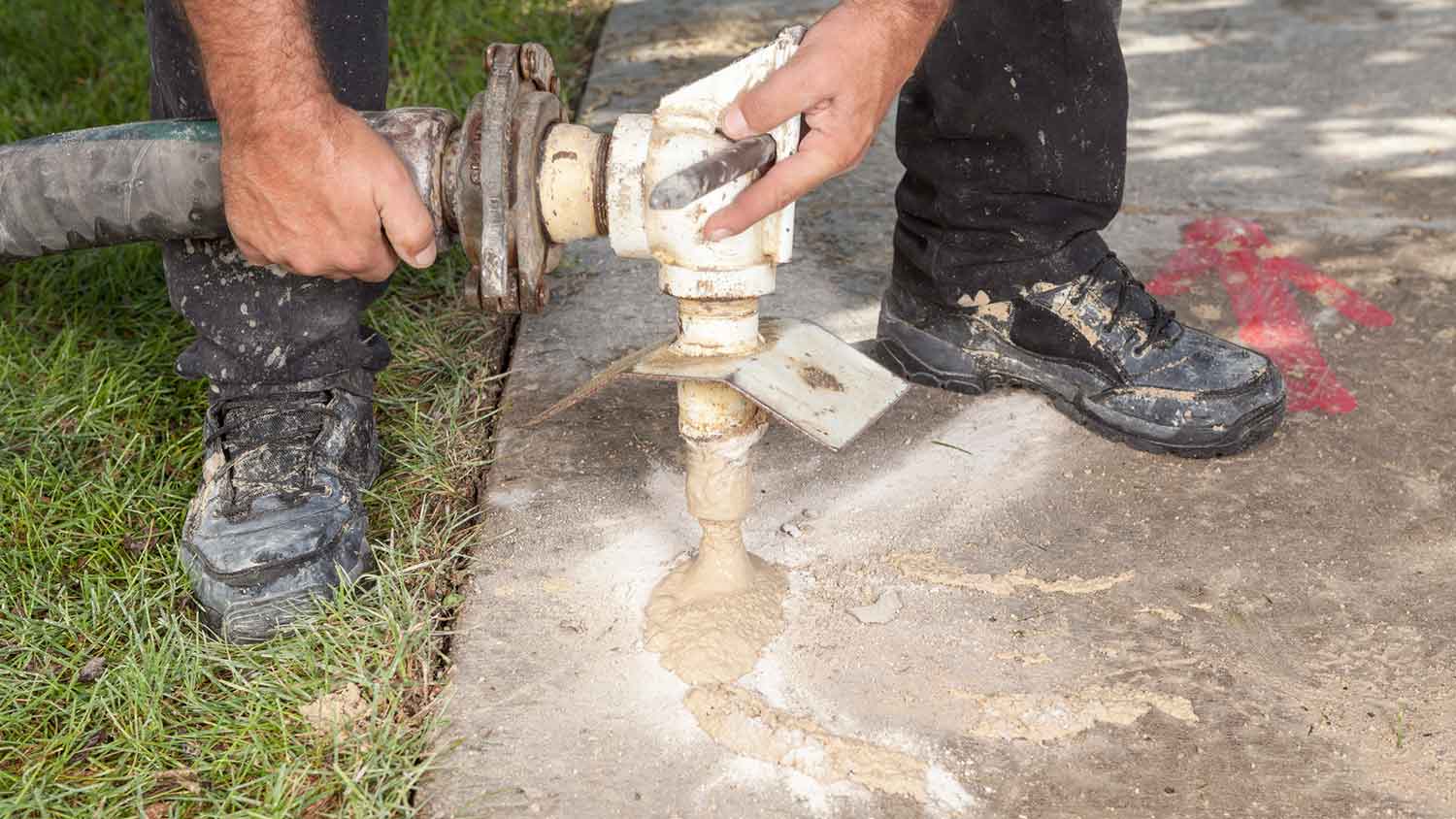
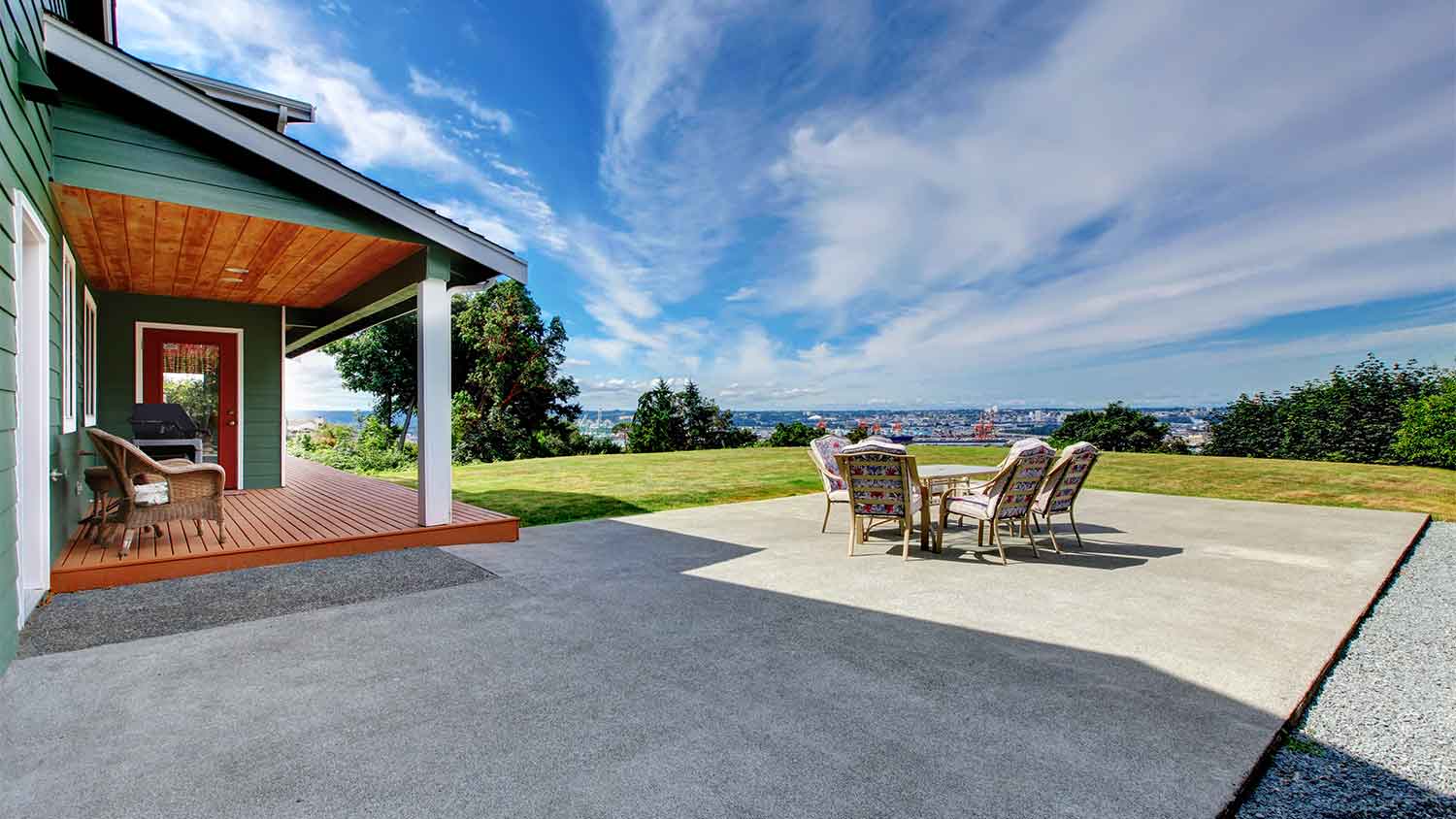
The average cost for mudjacking is around $1,200, though prices can range from $300 to $3,400. On a per-square-foot basis, you can expect to pay between $3 and $8, with an average of about $5 per square foot. The final cost depends on several factors, including the square footage of the concrete, the type of slab, its accessibility, whether it is load-bearing, and the type of material used to lift it. Generally, lifting a driveway, small patio, or sidewalk is less expensive than lifting a slab foundation or garage floor.
Polyjacking and mudjacking can both be effective solutions for sinking concrete, but they have key differences. Polyjacking, which uses expanding polyurethane foam, is often considered a better option because the foam is significantly lighter than the cementitious material used for mudjacking. This reduced weight puts less pressure on the underlying soil and lowers the risk of future sinking. Polyjacking is suitable for any sinking concrete slab, while mudjacking is typically only recommended for non-structural concrete, such as sidewalks, patios, pool decks, and driveways. The primary drawback of polyjacking is its cost, which can be up to four times higher than mudjacking—as much as $25 per square foot compared to a maximum of about $6 per square foot for mudjacking.
Trenching and boring are two distinct methods for installing underground utilities. Trenching involves digging a channel using equipment like an excavator, trencher, backhoe, or shovel. While it is a simpler process, it causes significant disruption to the surface, landscaping, and surrounding ecosystems.
Boring, also known as directional boring, is a less invasive alternative that uses a drill to create a tunnel for utility lines without disturbing the surface. This method is more precise and is ideal for installations that need to go underneath buildings, roads, or bodies of water. Although boring is less disruptive, it is generally more expensive than trenching.
On average, a mudjacking repair lasts between five and 10 years, though it can sometimes last for well beyond a decade under ideal conditions. Its longevity depends heavily on several factors, including the condition of the underlying soil, environmental conditions like freeze/thaw cycles and erosion, and whether the root cause of the sinking, such as drainage issues, is resolved. Because it doesn't always fix the underlying problem of loose soil, mudjacking is often considered a temporary solution. Proper maintenance and evaluation can help extend its lifespan.
Generally speaking, push piers—or steel piers—are the best option for underpinning, as they reach down to solid bedrock to find support for your foundation rather than relying on soil, which could be subject to the same issues as the soil directly below your foundation. However, the best underpinning method for your home depends on your location, how far down the bedrock is, and the type of soil in your area. Helical piers are usually the best option for sandy soil or in areas where the bedrock is too deep to use steel piers.
The Lower Brule, SD homeowners’ guide to concrete mudjacking services
From average costs to expert advice, get all the answers you need to get your job done.
Hiring the right mudjacking pro is key to getting stable, level concrete. Use this guide to learn about mudjacking costs, services, and questions to ask to find the right pro for the job.
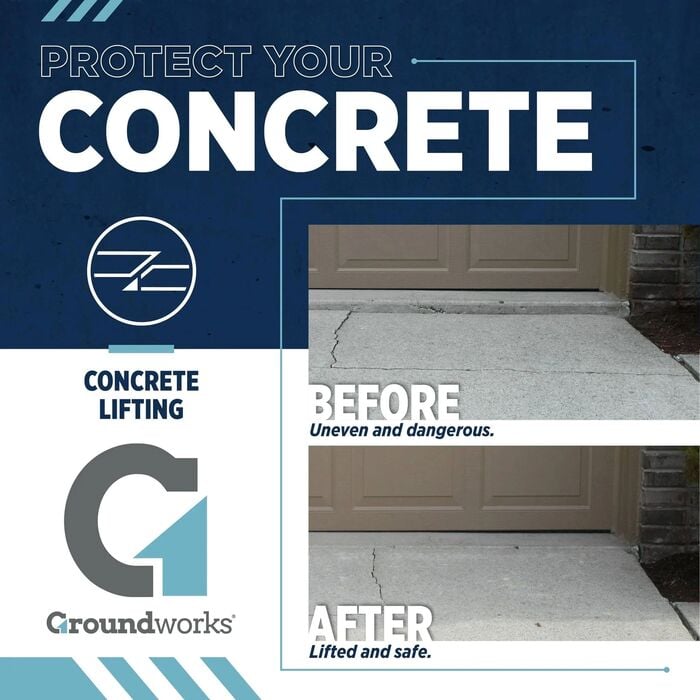
Sunken concrete can be a structural issue, but a professional can easily repair it. Ask these concrete injection leveling and mudjacking questions before you hire.