"I only use James when I need some work done to my house. He responds fast, gets the work done quicker than just about anyone else I've ever used and seems very concerned with leaving his customers happy."
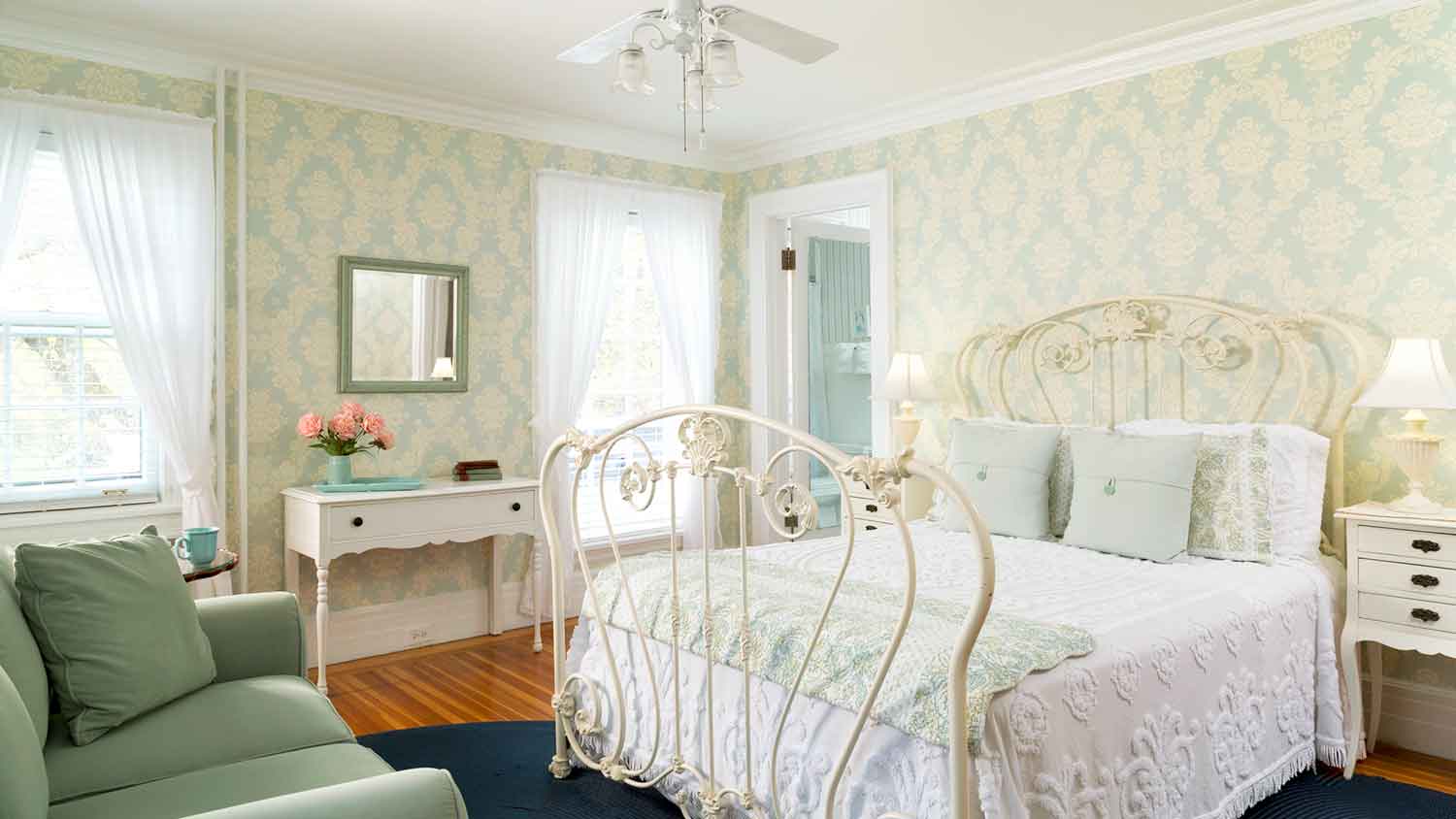
We don’t recommend wallpapering over older paper. That’s because creating layers of glue can invite bubbling or excess moisture on the wall’s surface. You should also prime your wall before applying wallpaper and smooth the wall as much as you can, and another layer of wallpaper complicates this process.
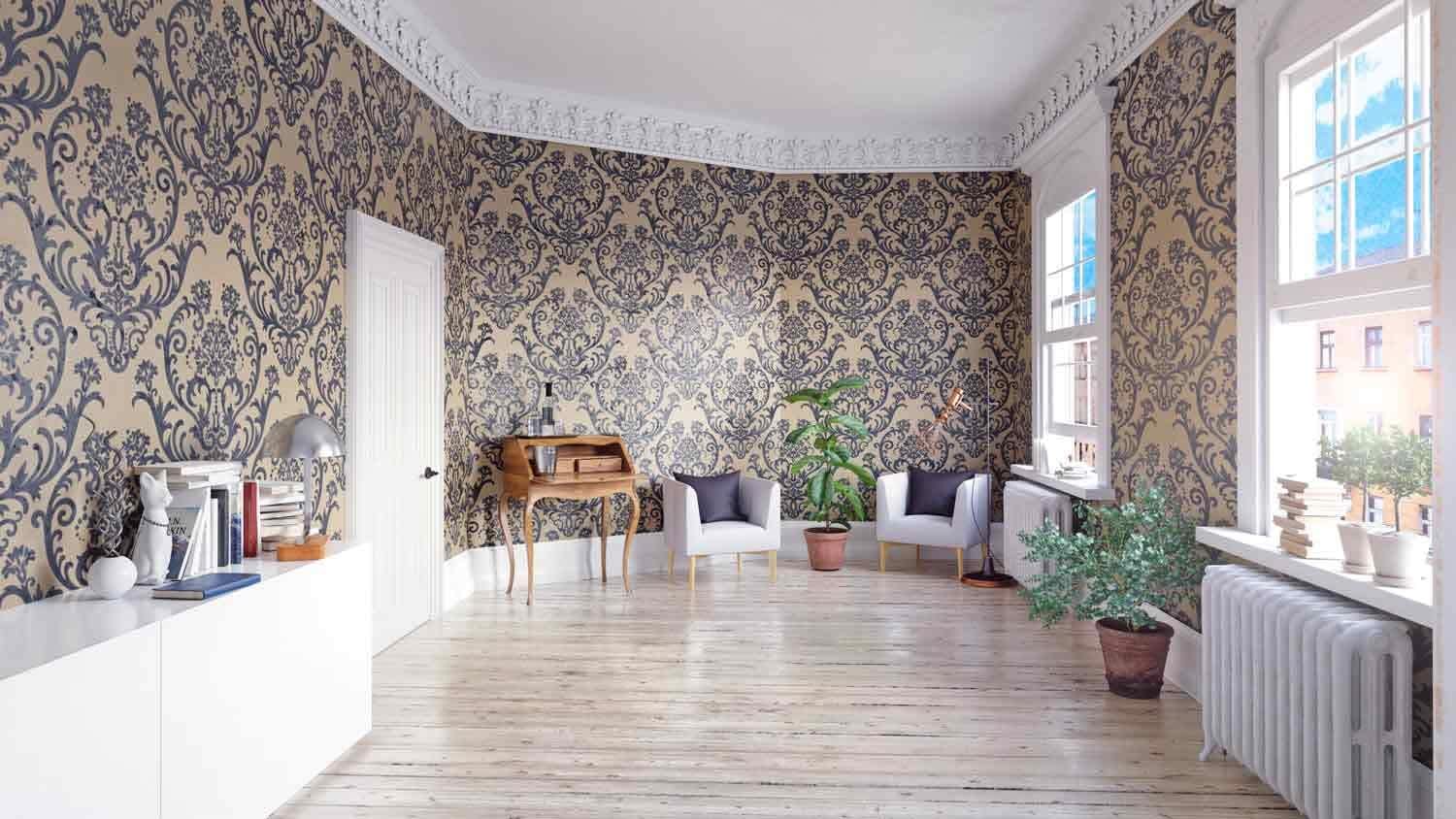
The pros of wallpaper include its durability and longer lifespan than paint, as well as its versatility. The durability can translate to lower long-term costs for upkeep and replacement, and the versatility means you have more options for customizing rooms in your home. Some downsides include that it’s difficult to remove, it’s not ideal for rooms or areas exposed to high moisture content or sun exposure, and it’s tricky to install. A professional wallpaper hanger can help mitigate these issues, though, by installing it properly and in areas suitable for wallpaper.
While some people are confident in their ability to replace concrete by drilling out the broken pieces and replacing them with bagged concrete, it’s possible to run into snags that make hiring a professional worth it. Trying to level concrete slabs can require special equipment, which can be pricey to rent and tough to operate. It's also crucial to contact your town's municipal office to ensure you are allowed to take on the project without a permit.
Yes, you can put wallpaper in a bathroom, but whether it's a good idea depends on several factors. Because bathrooms are high-humidity areas, it's crucial to choose a water-resistant wallpaper, such as one made of vinyl. Proper wall preparation is also critical to ensure the paper adheres well, even after many steamy showers. The wallpaper's placement also affects its longevity; it will hold up better on an accent wall or away from direct water contact, rather than immediately next to a shower. A well-ventilated bathroom will yield the best results.
Hiring a professional wallpaper hanger is usually a worthwhile idea because, while the application of wallpaper itself is easy, getting the finished product to look good is complicated and takes a lot of practice and patience. A professional wallpaper hanger will not only be able to hang your wallpaper seamlessly, but they will also get an even application of wallpaper paste to avoid bubbling and imperfections immediately and over time. Plus, they can provide their professional opinion on whether to remove or wallpaper over an existing layer of wallpaper.
The Kyle, SD homeowners’ guide to wallpaper services
From average costs to expert advice, get all the answers you need to get your job done.
Discover wallpaper installation cost. Learn about material, labor, and project factors to estimate your budget and make informed choices for your home.
Whether you can put wallpaper over wallpaper depends on the type of paper you’re using and the condition of the existing surface. Learn more with this guide.