Twisted Flooring - Ana Sayfa Facebook
Tile: Natural Stone (Granite, Marble, Slate, Quartz, etc) - Repair
Serving Kyle, SD and surrounding areas
In business since 2012
Free estimates
quality \ncustomer \nsatisfaction

Serving Kyle, SD and surrounding areas
In business since 2012
Free estimates
quality \ncustomer \nsatisfaction
Serving Kyle, SD and surrounding areas
In business since 1972
Free estimates
Welcome to Flooring Specialists! We are excited to exceed your expectations. As experts, we will handle your needs with the high-quality expertise that your home deserves. We offer competitive prices and customer satisfaction is our number one priority. Call us now! \n
Serving Kyle, SD and surrounding areas
In business since 2015
Free estimates
Credit card accepted
TileBuys is a well established business in Sioux Falls and surrounding area, offering the finest in craftsmanship and quality. When it comes to professionalism and customer service, we are unmatched! For the best of the best call TileBuys for all your flooring needs!

+72
From average costs to expert advice, get all the answers you need to get your job done.
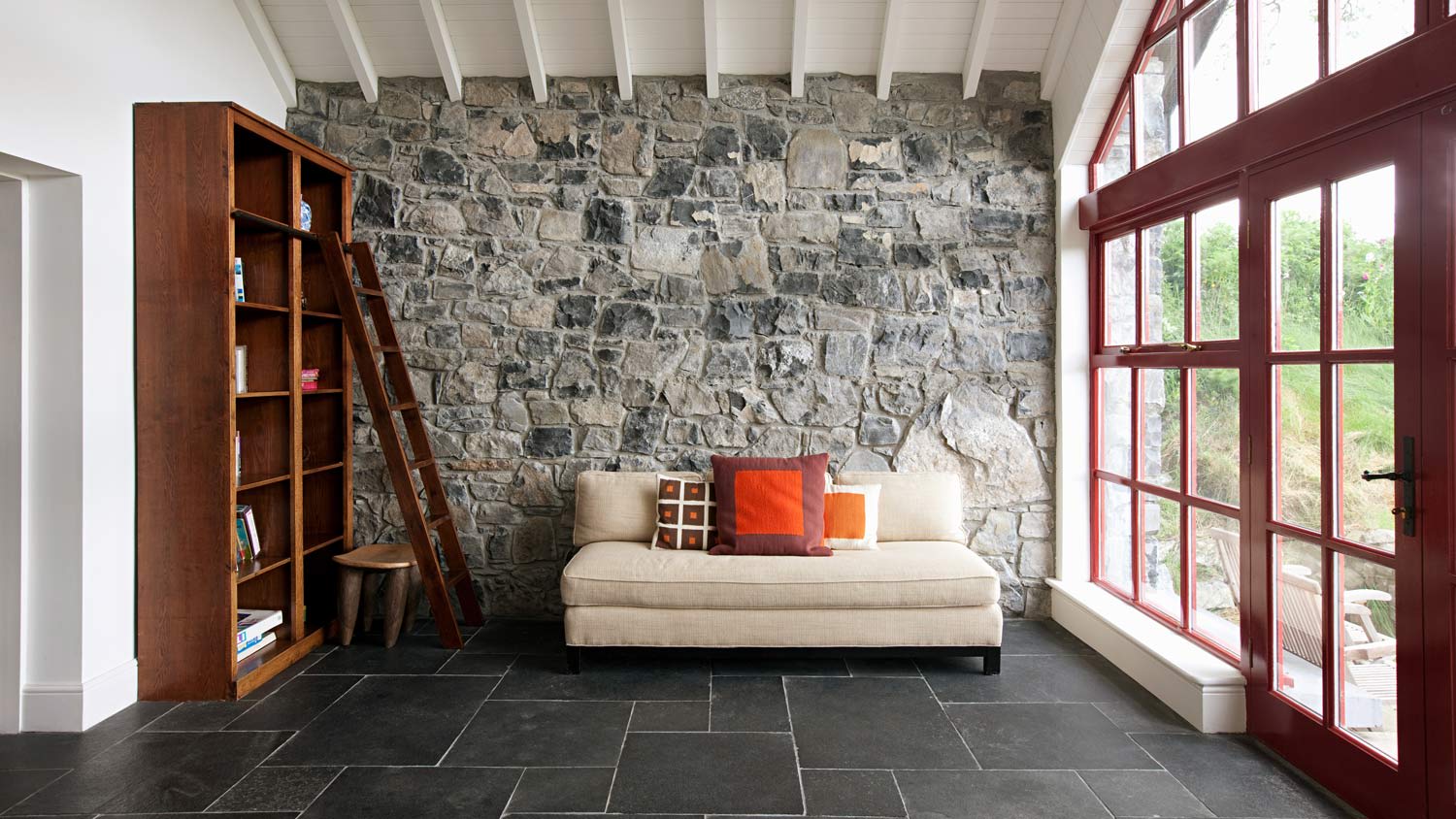
Discover the average stone restoration cost, including price ranges and key factors, to help you plan your next home project with confidence.
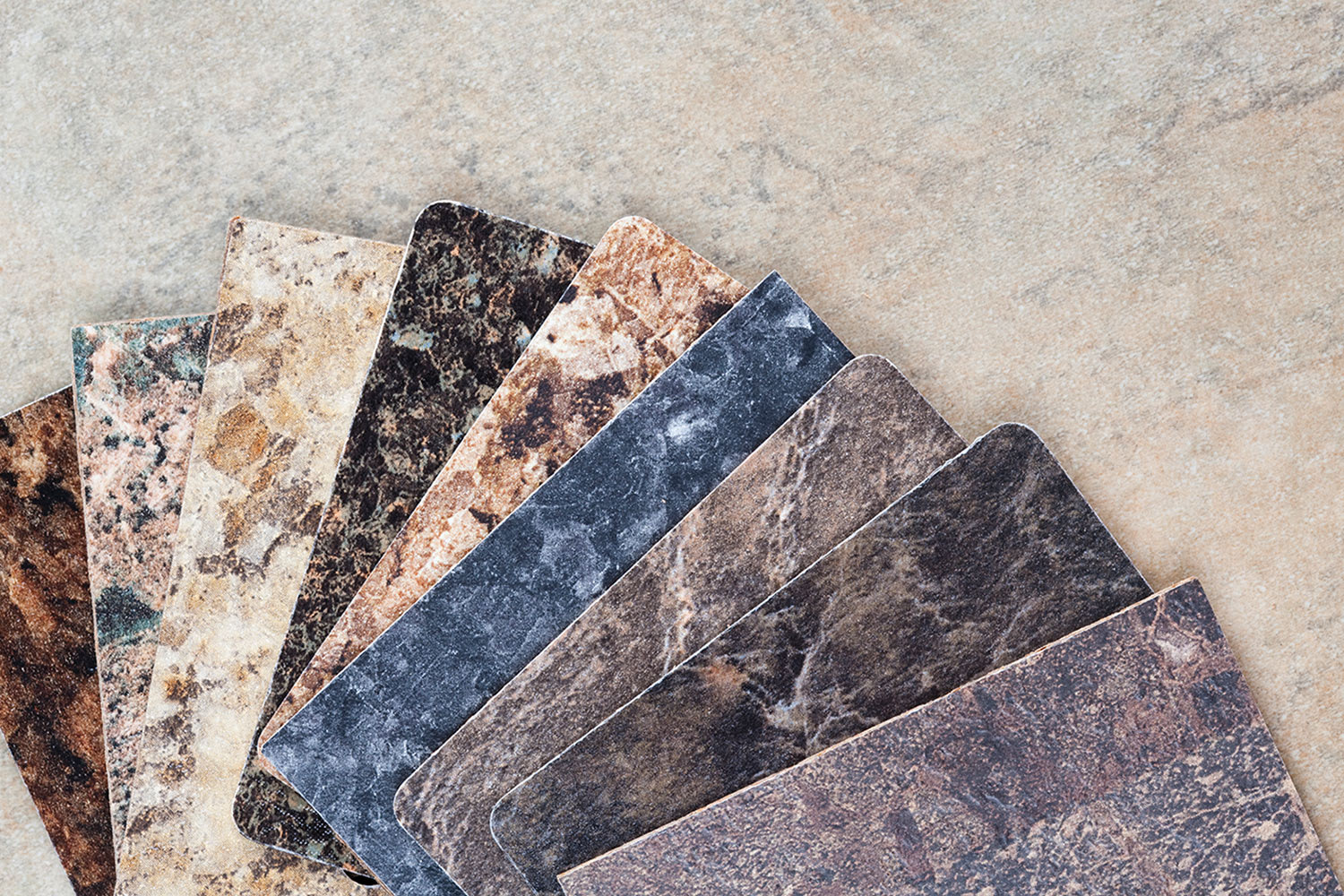
Discover the true granite floor installation cost. Learn about average prices, cost factors, and tips to save on your granite flooring project.
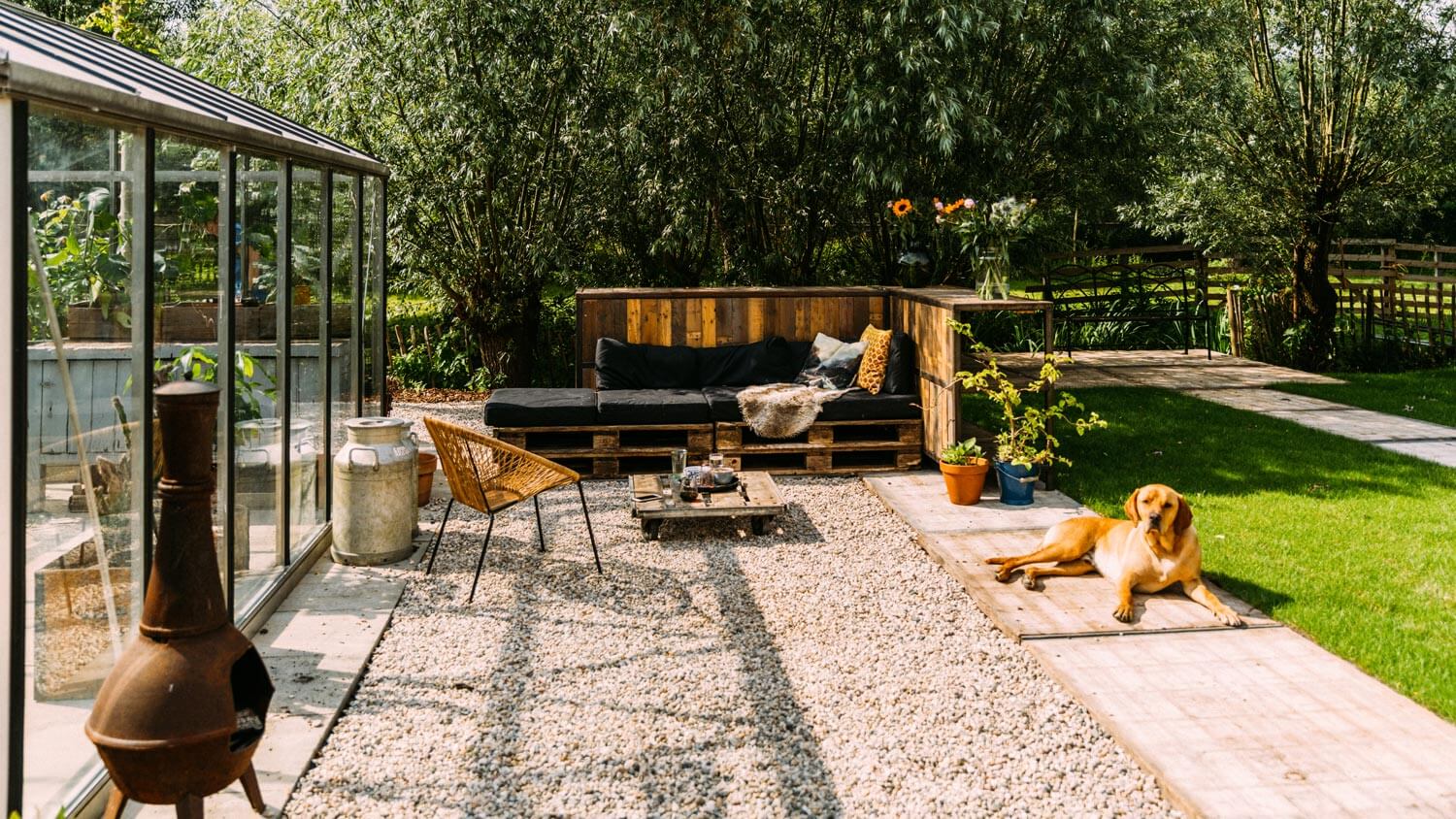
Need to know how much decomposed granite costs? Learn about the factors that affect decomposed granite's price and how much you need for your project.
Thinking about granite restoration? Learn about the process of polishing stone surfaces, costs to expect, and how to hire the right local pro.
Thinking about stone restoration to revive dull floors or countertops? Learn about the benefits, costs to expect, and how to hire the right local pro.
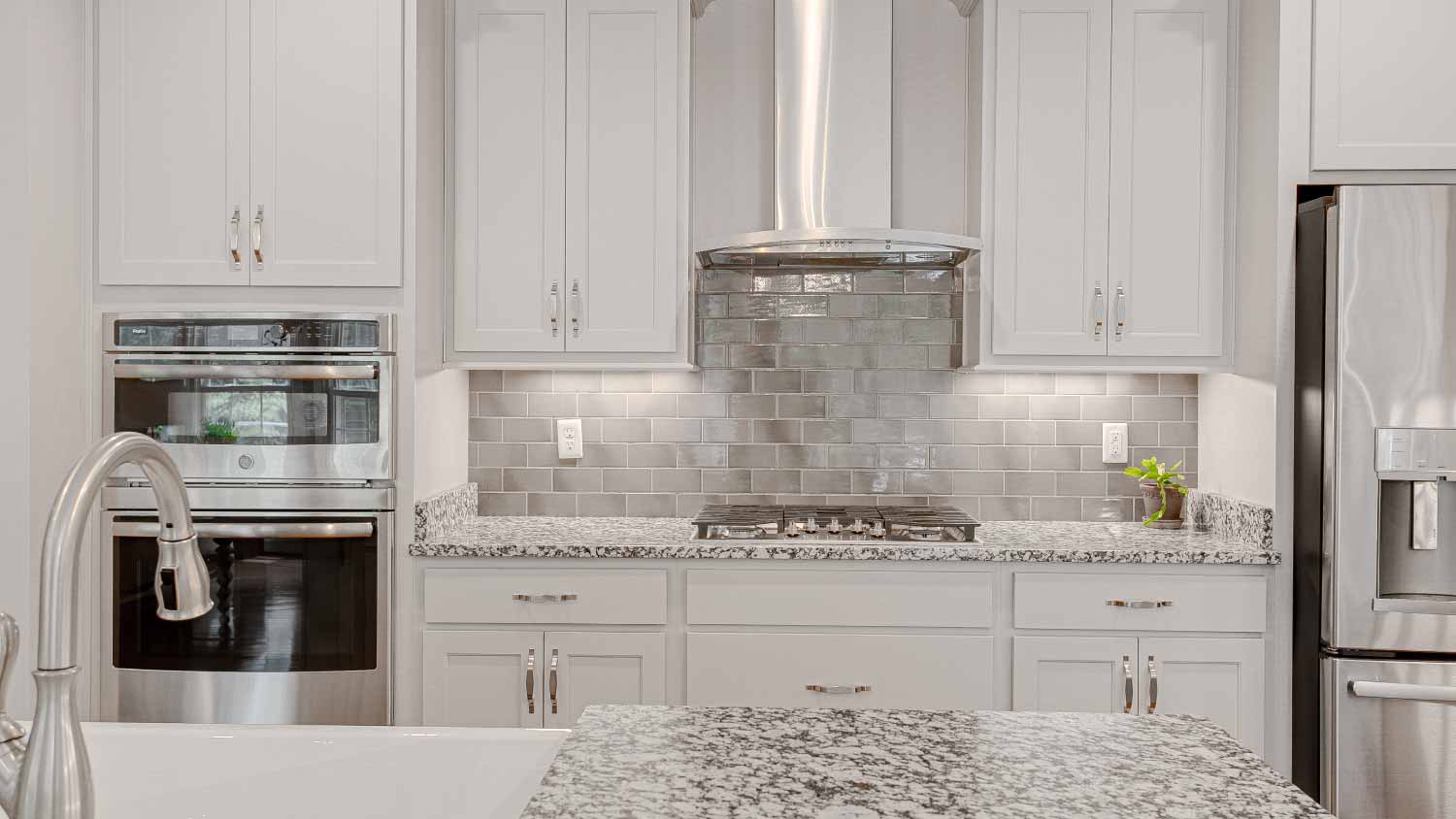
Granite countertops last 15 to 100 years based on usage and maintenance. Here’s how long your granite countertops will last and ways to increase their lifespan.