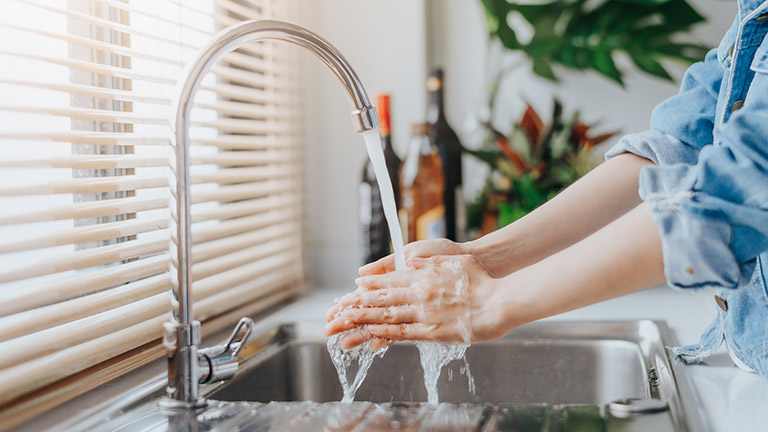
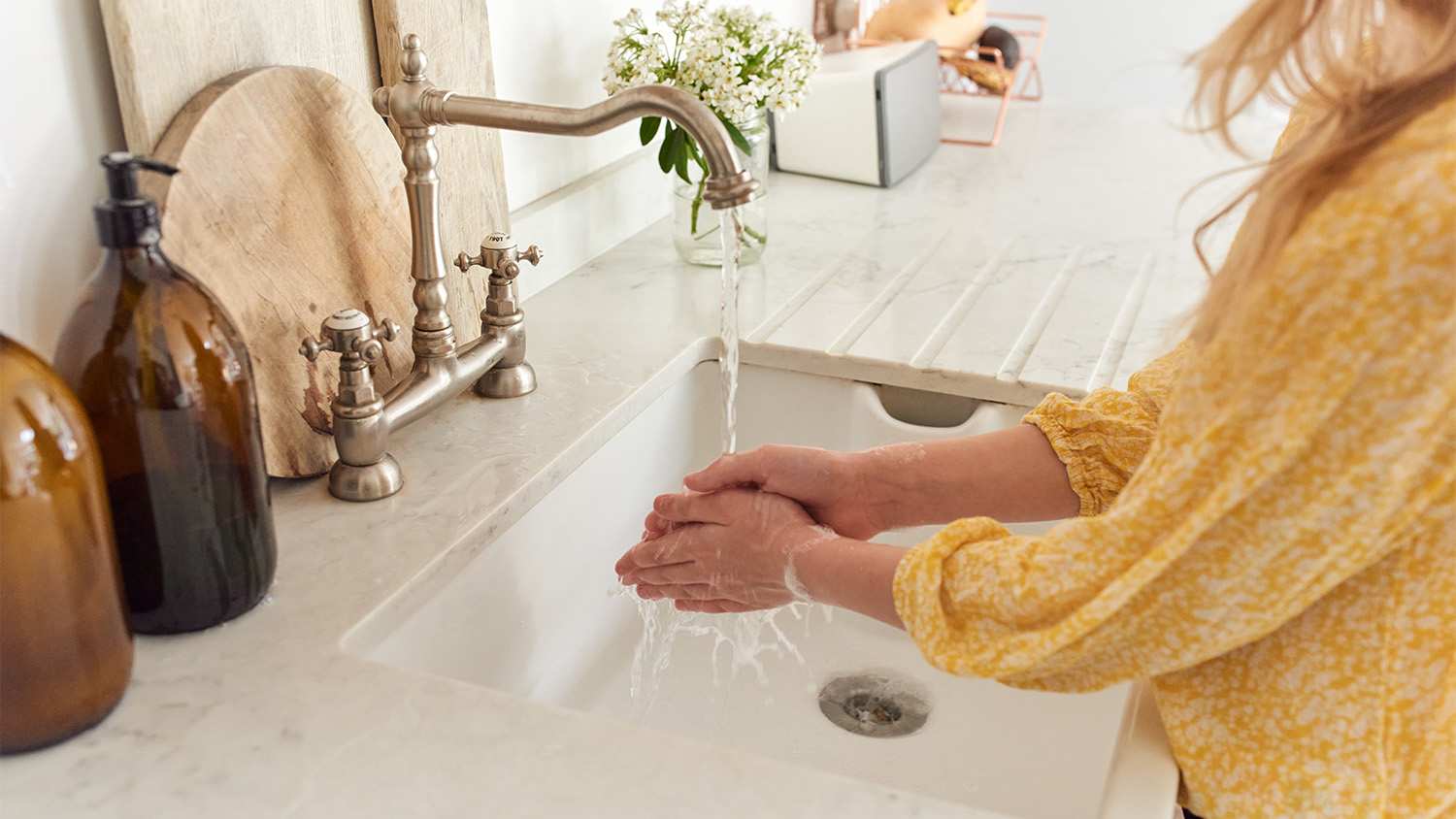
Hard water isn’t necessarily bad for you. In some ways, it’s good for you. If you’re deficient in magnesium or calcium, hard water can give you a mineral boost that you wouldn’t get with soft water. However, this is where the benefits of hard water pretty much stop. Hard water can cause many minor inconveniences and lead to costly, premature replacements of your water-using appliances.
If your ‘do isn’t doing what you want it to do despite using good hair care products, hard water might be to blame. Since hard water can’t rinse soap off as well as soft water can, your hair might grow limp because of the shampoo and conditioner residue that’s left behind. If you color your hair, you might see it fade more quickly or even turn a different shade as the dye reacts with the minerals in the water. You might also experience an itchy scalp, thanks to the dryness that comes from bathing in the hard water.
Softener systems extend appliance life spans, improve skin and hair health, and reduce pipe buildup by removing minerals like calcium and magnesium.
Replacing a water softener costs $200 to $6,000, depending on the capacity of the water softener, the type of water softener, and the amount of people living in your home. An ion exchange water softener is the most common type and costs $500 to $3,000. Water distillers, which cost $1,200 to $4,000, and dual-tank models, which cost $1,000 to $5,000, are definitely pricey, but they offer more filtration or capacity, respectively.
While it depends on how complicated the unit and installation is, it takes two to four hours to install a water softener unit, on average. It might take longer if pipes need to be replaced. You should make sure the installation area is clear of any objects that might get in the way before you begin.
The Kimball, SD homeowners’ guide to water softener services
From average costs to expert advice, get all the answers you need to get your job done.
Water softeners work to remove unwanted minerals from hard water through a filtration and recharge cycle. Keep reading to learn how a water softener works.
There are four common softener alternatives available on the market today. We compare and contrast each one to help you find your best-fit solution in this blog.
Water softeners rid your home of hard minerals and, well, soften your water. Even better, the regeneration process is an automatic cycle that works when you’re least likely to use it.
Water softeners remove hard minerals from your tap water, improving plumbing systems and water-using appliances. Here are the most efficient water softeners out there.