"Sales process was good, courteous and helpful. Installation instructions were easy to follow. Did have a small issue with one sensor which was easily solved with a call. Control panel is easy to use and well constructed. Phone app is the best part. Not a big fan of a 2 year contract and the monthly rate feels a little high, but definitely a decent system. I had emailed them a question pertaining installing on double hung windows and never received a reply, but other than that their phone support prior to that was good."
Upgrade to double-glazed glass or apply energy-efficient coatings to reduce heat loss and utility costs.
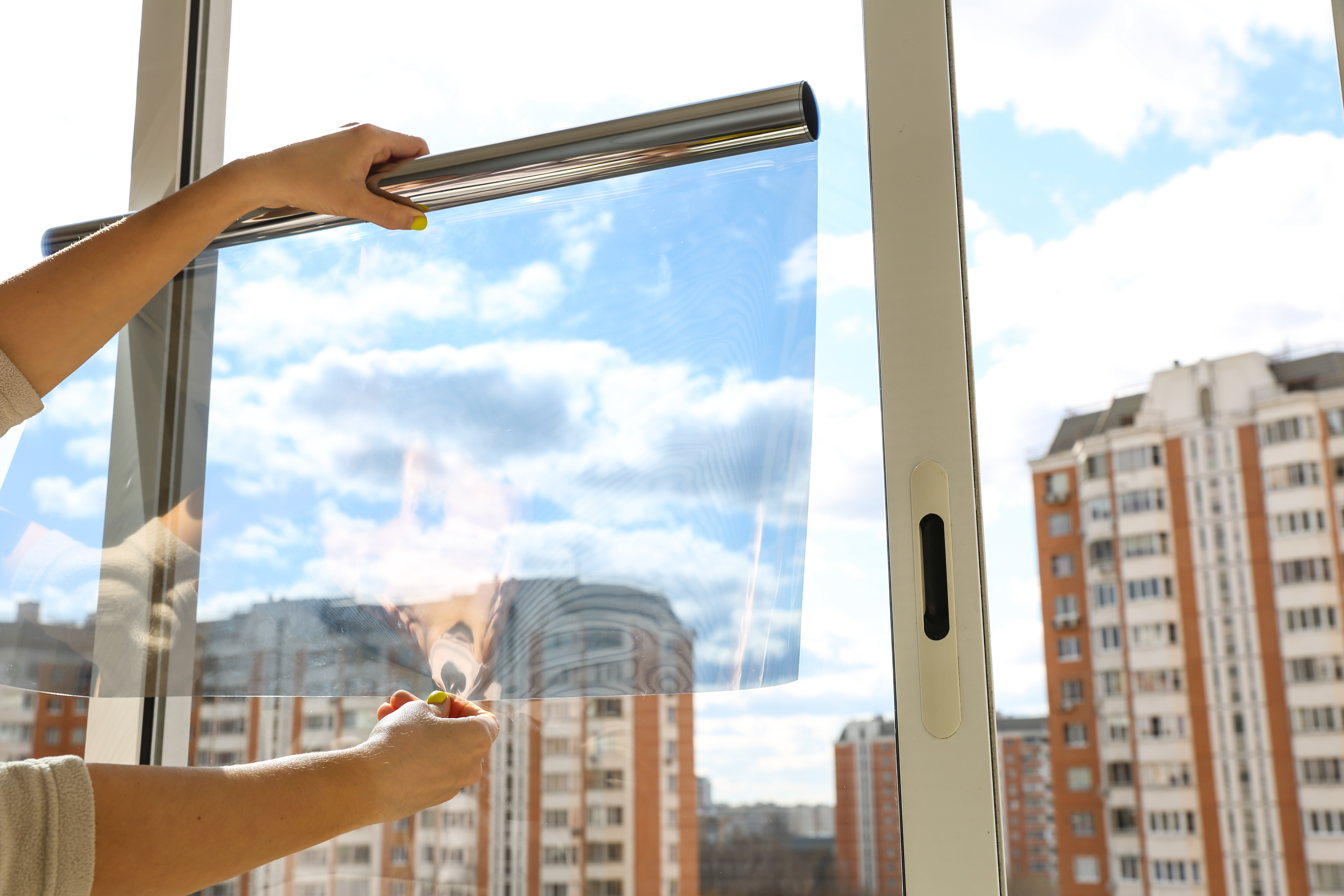
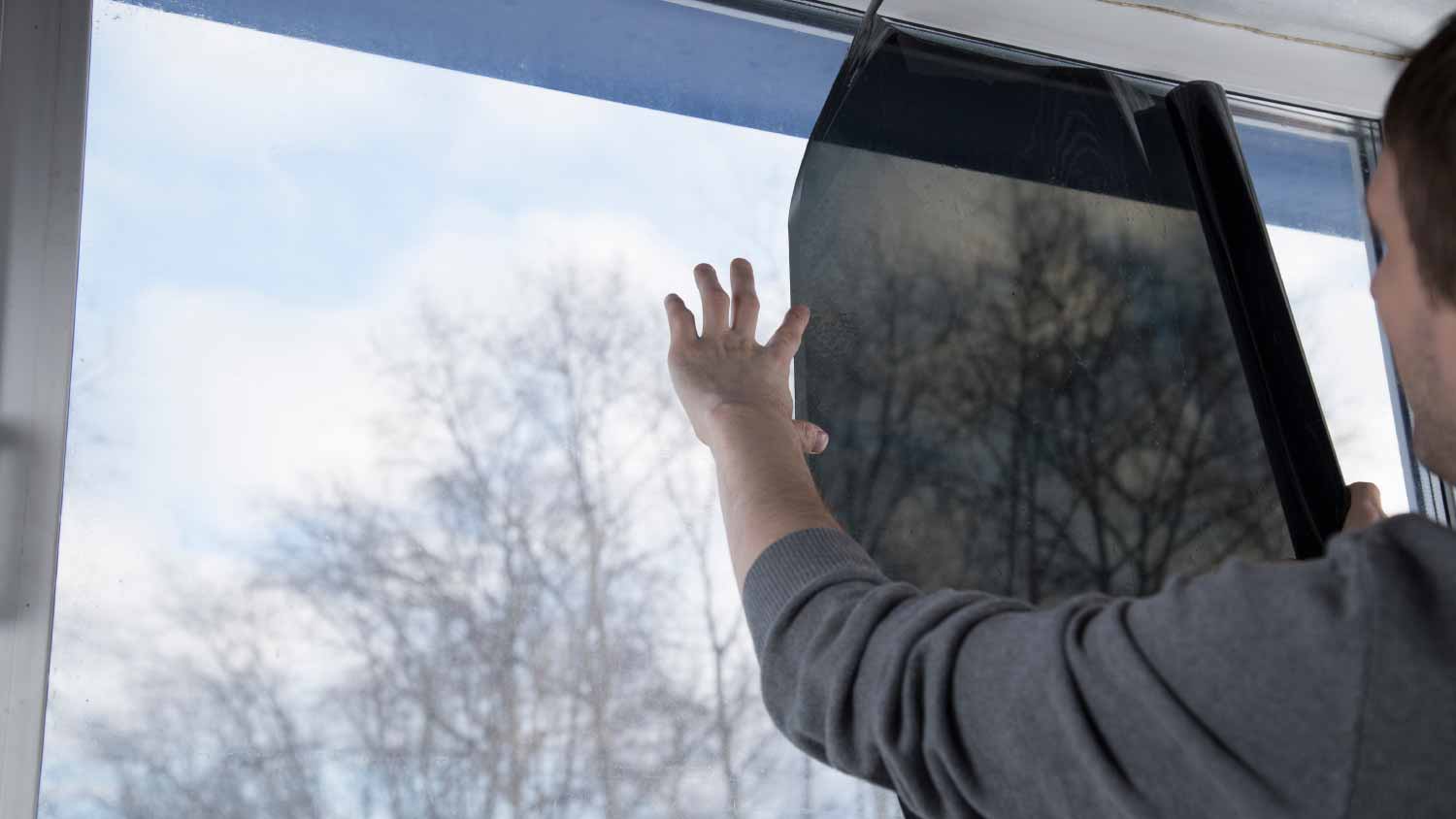
Visibility through tinted house windows or privacy film depends on the lighting. During the day, the tint or film typically prevents people from seeing inside. However, at night, if you have lights on inside your home, the interior will be brighter than the outside, which allows people to see in. You can choose from various shades of privacy film, from lighter to darker, to optimize the level of privacy you want.
Modern windows provide enhanced UV protection, improved heat retention, and cooling efficiency, contributing to overall household energy savings.
A common way to modernize arched windows is to install interior window treatments that allow light through the curved portion up to and let you cover the bottom portion for privacy. You can also install plantation shutters to make an arched window look more modern. From the exterior, arched windows can appear outdated if they’re coupled with ornate trim, so toning down the decor can make your window look more natural with a modern design.
The most popular way to remove home window tint is by using a hairdryer. Most people already have one in their home, but if you don’t, you can buy one for as little as $15. All you need to do is turn the hairdryer to its hottest and highest setting and run it over the window tint for a few minutes. Then, you can easily peel it away. You may need some goo remover for any leftover adhesive, but this DIY could be free for many people.
The Ipswich, SD homeowners’ guide to window tinting services
From average costs to expert advice, get all the answers you need to get your job done.
Tinting your home’s windows can add privacy, increase energy efficiency, and block damaging UV rays. Find out who tints home windows so you can hire the best.