"Sales process was good, courteous and helpful. Installation instructions were easy to follow. Did have a small issue with one sensor which was easily solved with a call. Control panel is easy to use and well constructed. Phone app is the best part. Not a big fan of a 2 year contract and the monthly rate feels a little high, but definitely a decent system. I had emailed them a question pertaining installing on double hung windows and never received a reply, but other than that their phone support prior to that was good."
Use a combination of blackout methods to truly black out your windows. If you want to eliminate all light from your room, try installing a very dark tinted film and then putting up blackout shades over the entire window. Reach out to a professional and request some custom-made shades for the best result.
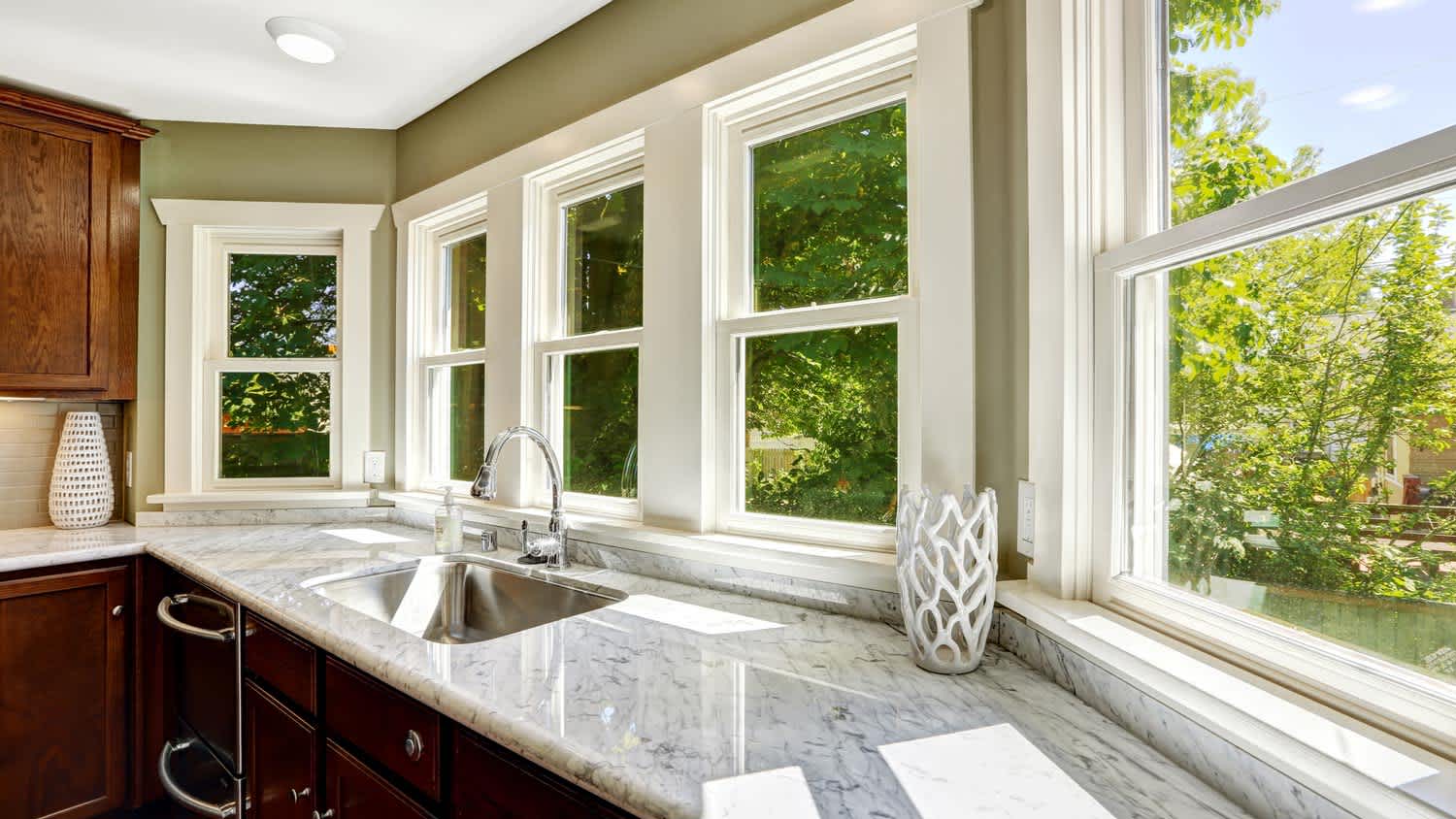
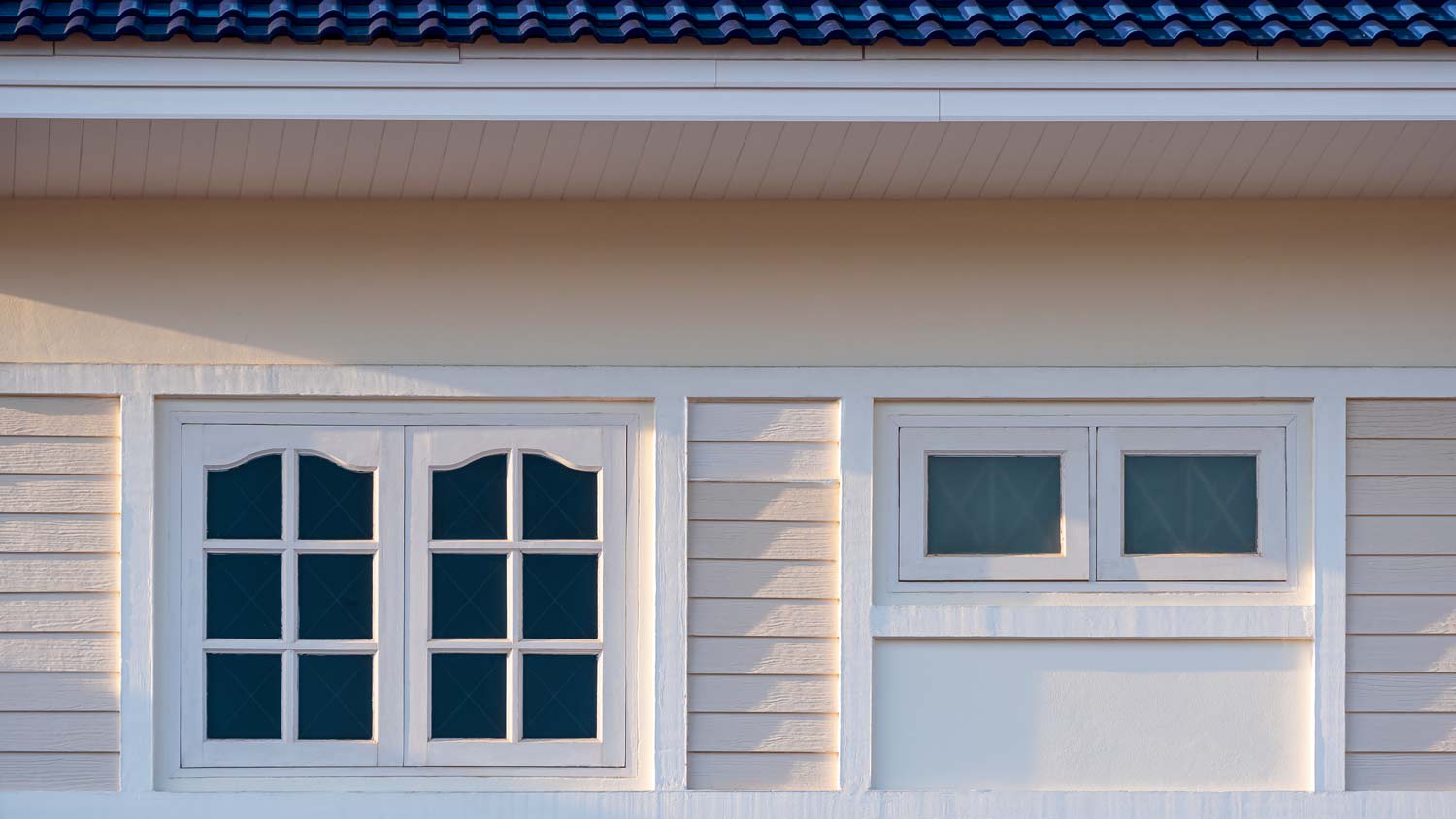
Energy-efficient windows are judged on their performance according to a few different factors, including heat transfer, air leakage, light transference, and condensation resistance. If you're unsure whether a window is energy-efficient, look for an ENERGY STAR® label from the U.S. Environmental Protection Agency (EPA). If various products, including windows, meet energy-efficiency standards set by the federal government, the EPA issues this label to help consumers identify energy-efficient products.
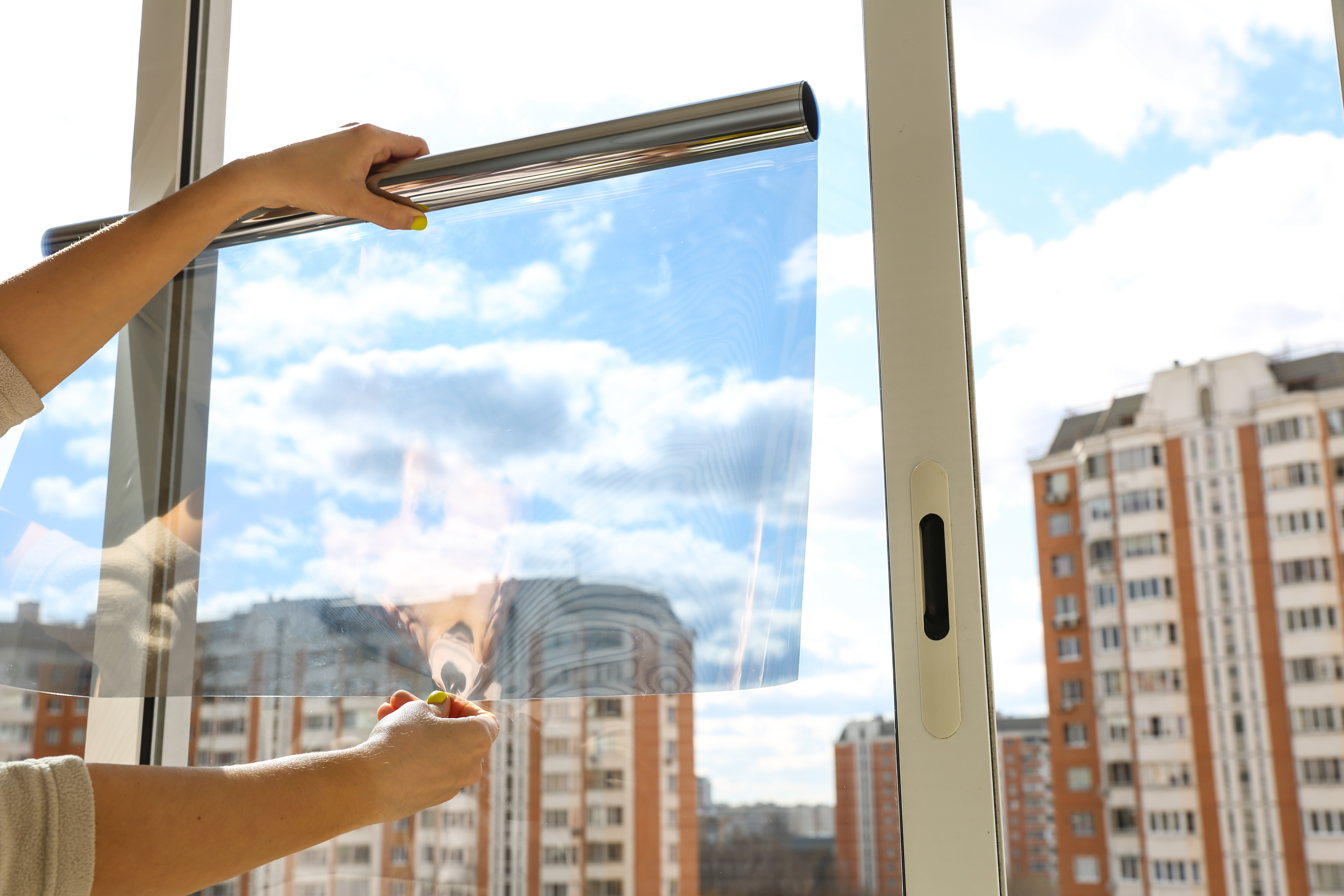
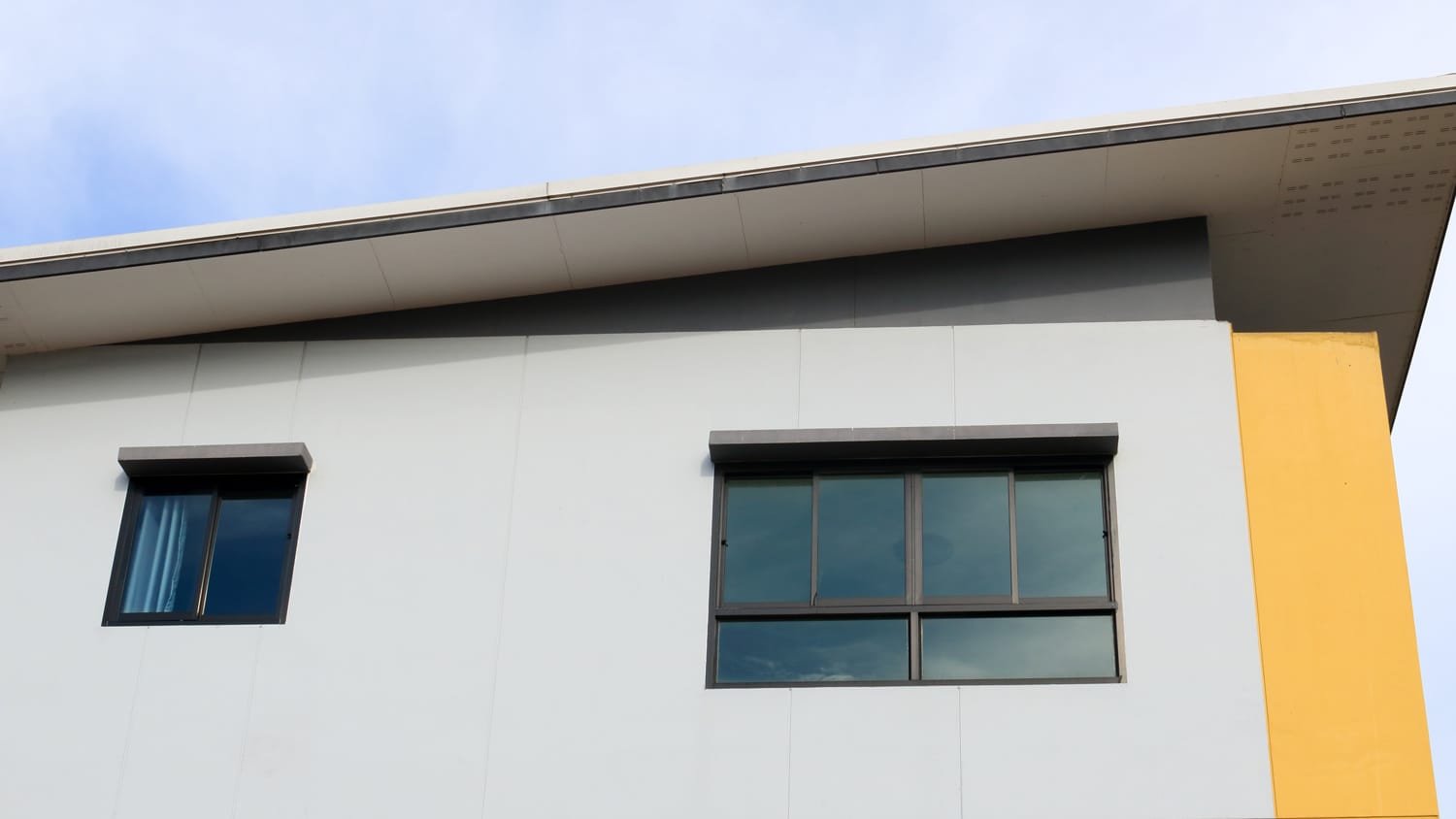
The most popular tint percentage for home windows is 35%. Generally, most homeowners choose a visible light transmission (VLT) between 50% and 35%, where lower numbers mean less sunlight enters the home. A 35% tint blocks over half the incoming light while still allowing plenty of natural light, which can improve energy efficiency and comfort. If privacy is a primary concern, you can opt for a tint of 50% or lower to make it more difficult for people to see inside. However, keep in mind that very dark, thick tints may offer fewer energy-efficiency benefits.
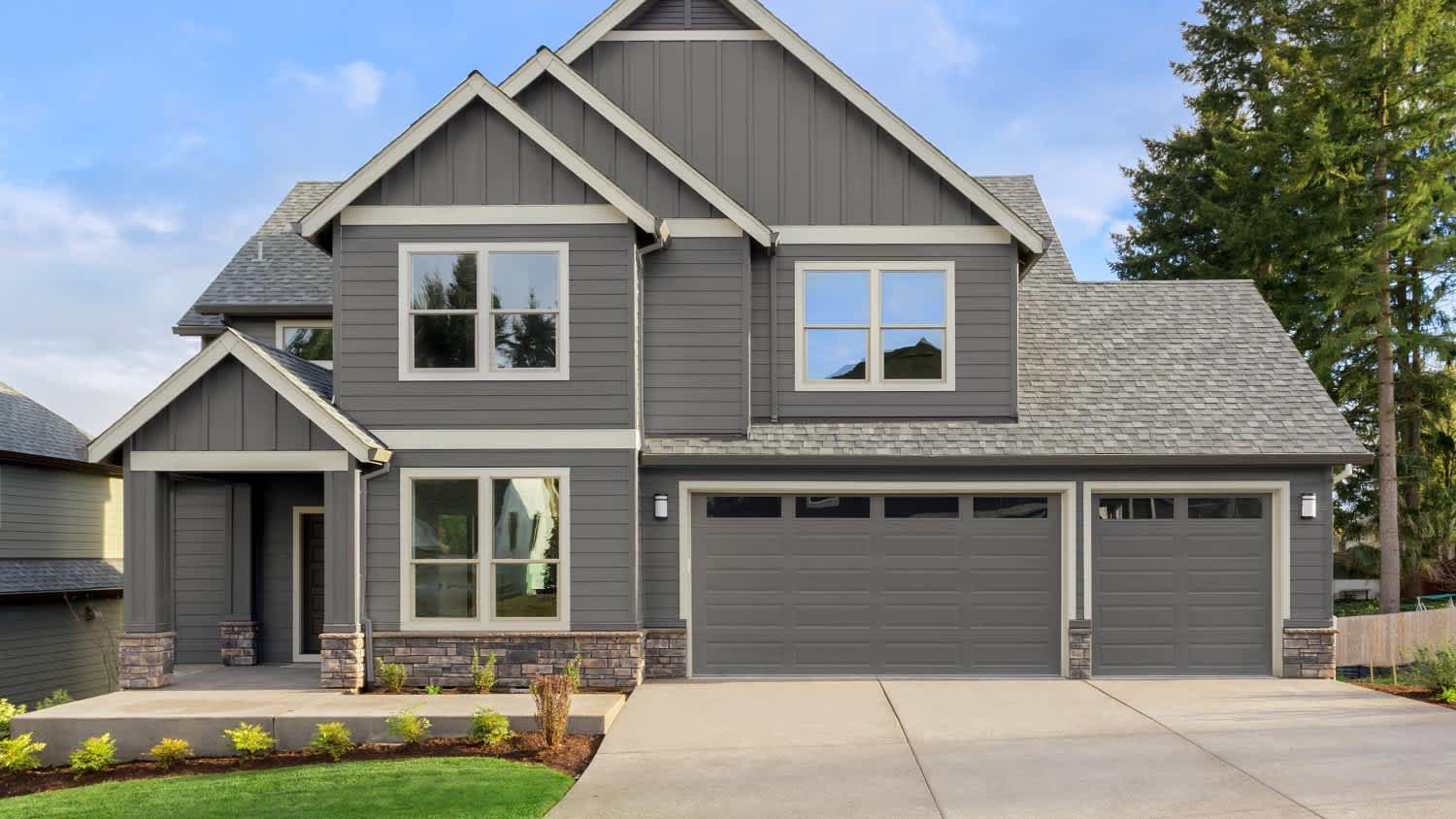
Unlike cars, there are no laws regulating window tint percentages on homes, so you can choose what you think is best. It is often a good idea to hire a professional, as they can show you samples of how different tint levels will look in your specific property, helping you make the right choice.
Visibility through tinted house windows or privacy film depends on the lighting. During the day, the tint or film typically prevents people from seeing inside. However, at night, if you have lights on inside your home, the interior will be brighter than the outside, which allows people to see in. You can choose from various shades of privacy film, from lighter to darker, to optimize the level of privacy you want.
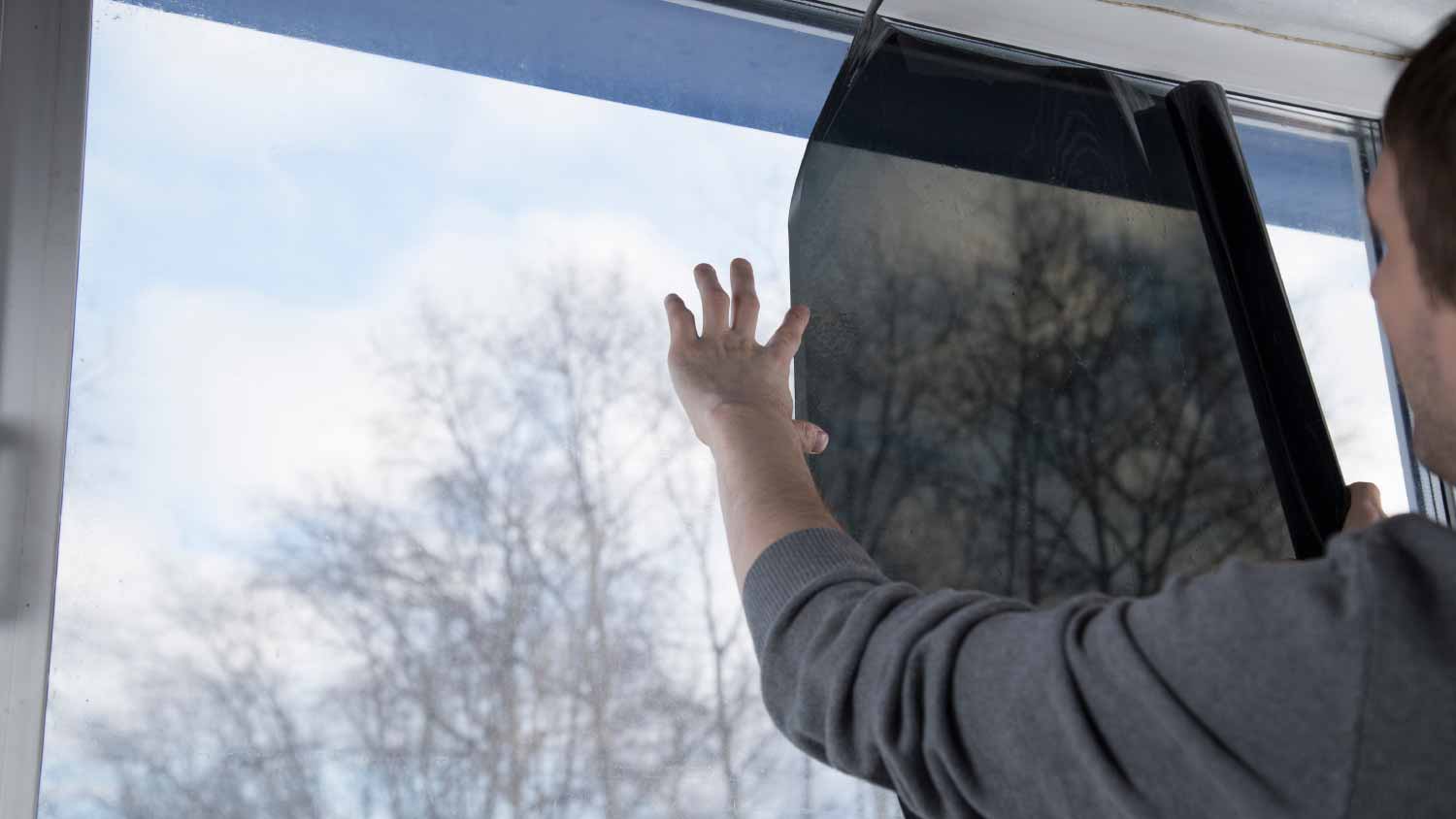
Often, window film won’t stick if the glass is too dirty; dust and debris can prevent the adhesive from working. Make sure to clean the glass thoroughly before installing the window film. Low-quality film, which may have a weaker adhesive, might also be the cause of your window film’s inability to stick.
The Selby, SD homeowners’ guide to window tinting services
From average costs to expert advice, get all the answers you need to get your job done.
Tinting your home’s windows can add privacy, increase energy efficiency, and block damaging UV rays. Find out who tints home windows so you can hire the best.