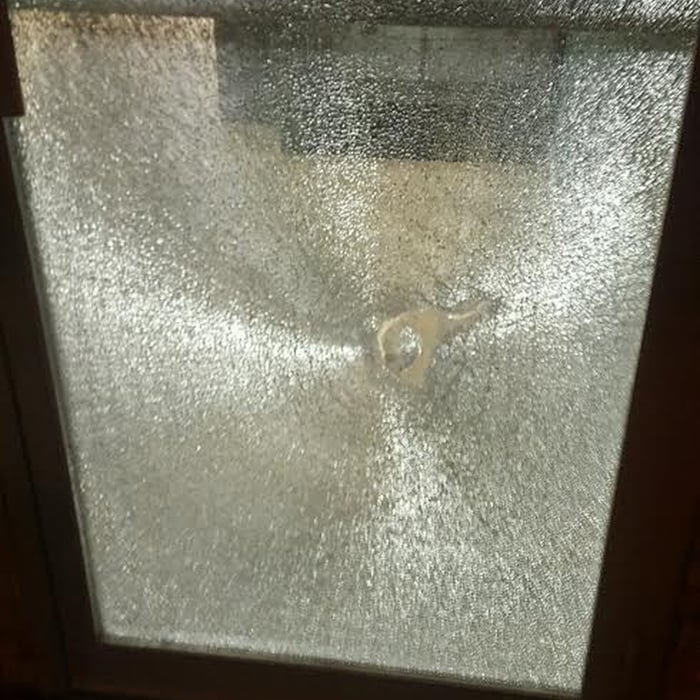
"Brian W. was great. I personally donâ t know anything about windows but he made the exterior of our business windows mirrored and ballistic resistant. Thank you again. Paul - Northland"
"Sales process was good, courteous and helpful. Installation instructions were easy to follow. Did have a small issue with one sensor which was easily solved with a call. Control panel is easy to use and well constructed. Phone app is the best part. Not a big fan of a 2 year contract and the monthly rate feels a little high, but definitely a decent system. I had emailed them a question pertaining installing on double hung windows and never received a reply, but other than that their phone support prior to that was good."
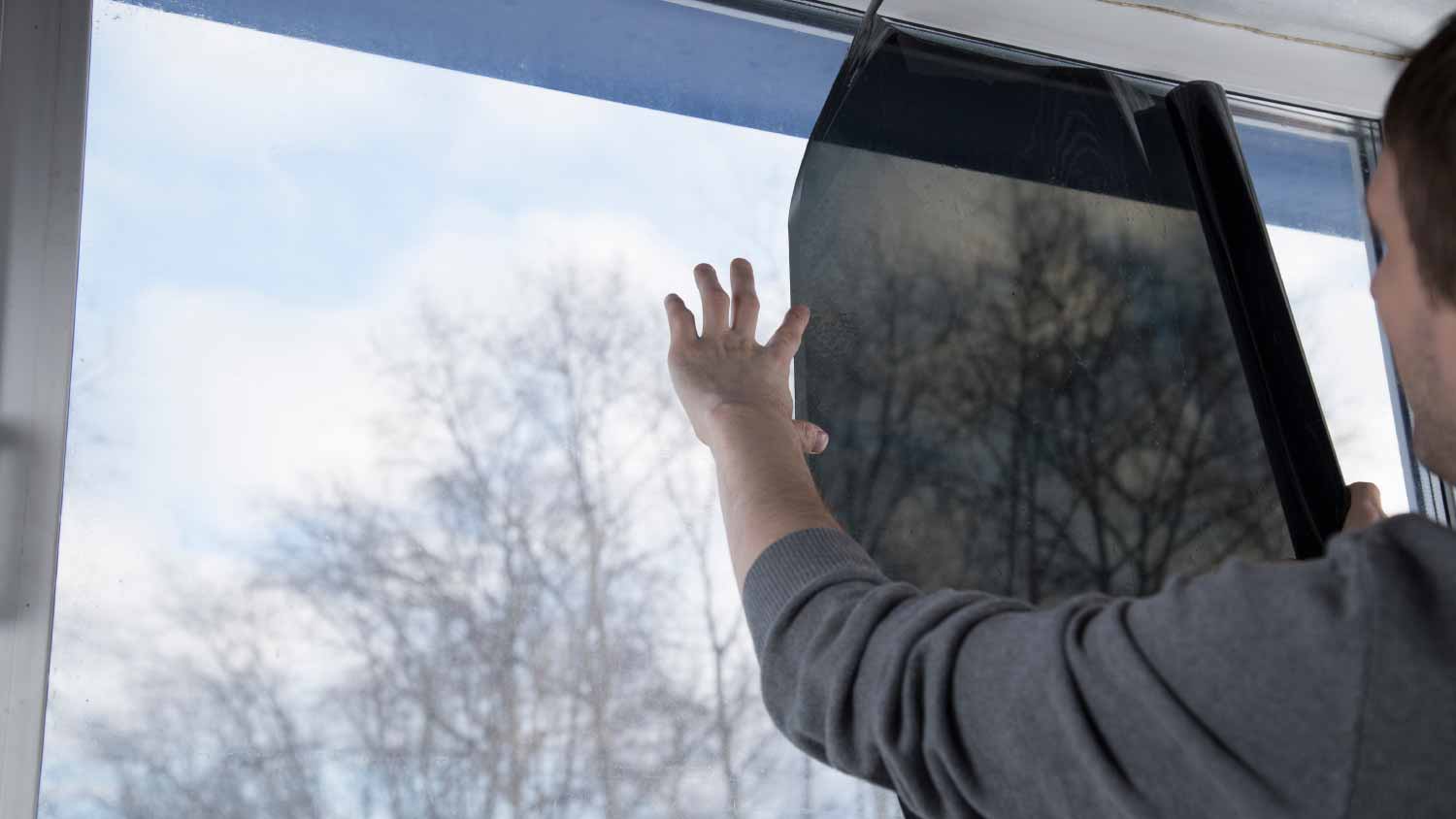
Applying window security film yourself is possible, but we don’t recommend it. This task is simple in theory, but getting the product to sit on your windows evenly and without bubbles underneath is challenging for DIYers who lack the necessary experience and tools. You might save money on labor by applying it yourself, but you might also end up with a film that doesn’t look appealing, prompting you to start over and spend the money on a professional installation anyway. Plus, most window film manufacturers will void your warranty if you install the product yourself.
Do not use Windex or any glass cleaner when applying window film. These products contain ammonia, which will damage the film. Instead, use the application solution provided with the installation kit. If there is no solution, make your own using 1 teaspoon of baby shampoo and a gallon of bottled water.
A lace curtain may block some of the biggest insects from entering while still allowing a breeze to get through. If your concern is privacy, then curtains and blinds will provide better privacy than window screens; for UV protection, you can choose specialty windows or UV-blocking film. And if you just want an inexpensive, temporary solution, there are adhesive or magnetic screen panels you can install for an hour, a day, or a season.
No, it isn’t necessary to have energy-efficient windows. However, if you care about your energy bill and making your windows more energy efficient, fixing any heat, UV, or air transfer issues is an excellent way to lower your bills and keep your house cooler in the summer and warmer in the winter.
Cellular shades, also known as honeycomb shades, are the most energy-efficient and insulating window treatments. Their honeycomb structure is made of soft fabric that forms layered cell pockets. These pockets trap air, creating a thermal barrier that reduces heat loss in the winter and blocks heat gain in the summer. For even greater insulation, consider double- or triple-cell varieties. Side-tracked cellular shades, which seal the edges of the window frame, can further minimize air leaks and maximize energy efficiency.
The Ellendale, ND homeowners’ guide to window tinting services
From average costs to expert advice, get all the answers you need to get your job done.
Tinting your home’s windows can add privacy, increase energy efficiency, and block damaging UV rays. Find out who tints home windows so you can hire the best.