Aberdeen Yard Solutions, is committed to excellence in every aspect of our business. We uphold a standard of integrity bound by fairness, honesty and personal responsibility. Our distinction is the quality of service we bring to our customers. Accurate knowledge of our trade combined with ability is what makes us true professionals. Above all, we are watchful of our customers interests, and make their concerns the basis of our business.
Serving the area for 20 years, we are a locally owned company. We get the job done right. We are the business you can trust for your property. Call us for an estimate today.
I pride myself on my professionalism, as well as my ability to complete\nevery job to the homeowner's total satisfaction. I never leave a job\nunfinished, or a homeowner not 100% satisfied with my level of service -\nCall today!
Before you put down grass seed, you should cultivate your soil or add two inches of topsoil. You should also put down fertilizer at the same time as your seed to prompt healthy growth. Be sure to water after you put down grass seed, especially for the first two weeks.
Choosing between sod and seed depends on your budget, timeline, and maintenance preferences.
Sod:
Pros: Provides an instant, lush lawn and immediate curb appeal. It's more resistant to weeds and erosion, can be installed any time during the growing season, and offers a consistent appearance.
Cons: Has a higher upfront cost, typically $0.90 to $1.80 more per square foot than seed. It offers fewer grass varieties and must be installed immediately upon delivery.
Seed:
Pros: Less expensive upfront, making it a budget-friendly option. It offers a wider variety of grass types and is easier for a DIY installation.
Cons: Takes much longer to establish, potentially up to two years for a full lawn. It requires more maintenance, including regular weed control, and is more difficult to cultivate.
Ultimately, if you want a beautiful lawn quickly and have a larger budget, sod is an excellent choice. If you are patient, want to save money, and prefer a wider selection of grass types, seeding may be the better option.
Each season’s climate influences approaches needed for effective suppression.
Many homeowners in warmer climates like this resilient, hearty grass because it can tolerate excessive heat and drought while developing into a lush lawn. Unlike other grasses, Bermuda grass grows and spreads quickly and can withstand excessive foot traffic. But whether Bermuda grass is good for lawns may depend on your geographic location, as this grass has a low tolerance for cooler temperatures, which causes it to go dormant and turn brown in the winter months.
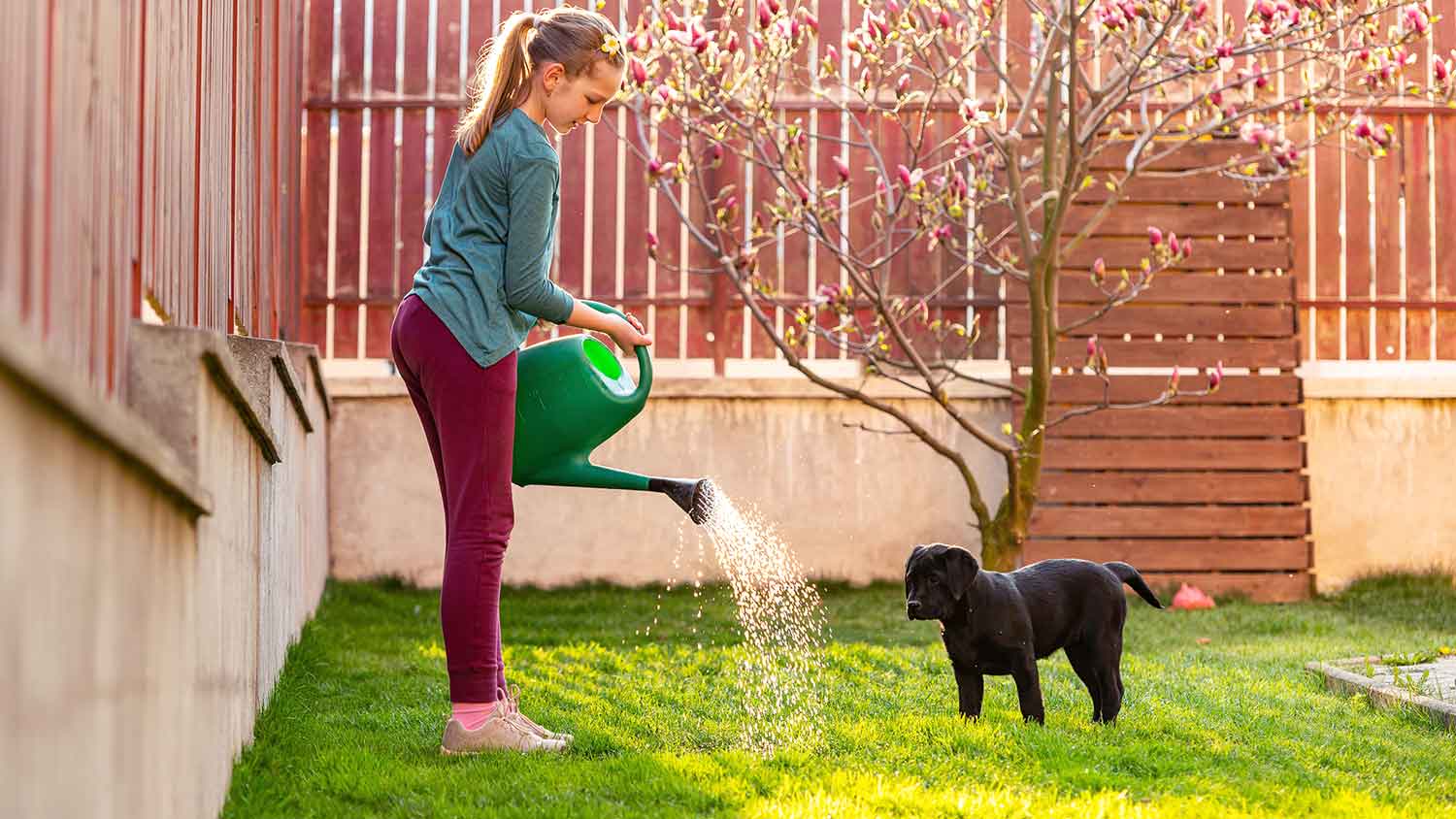
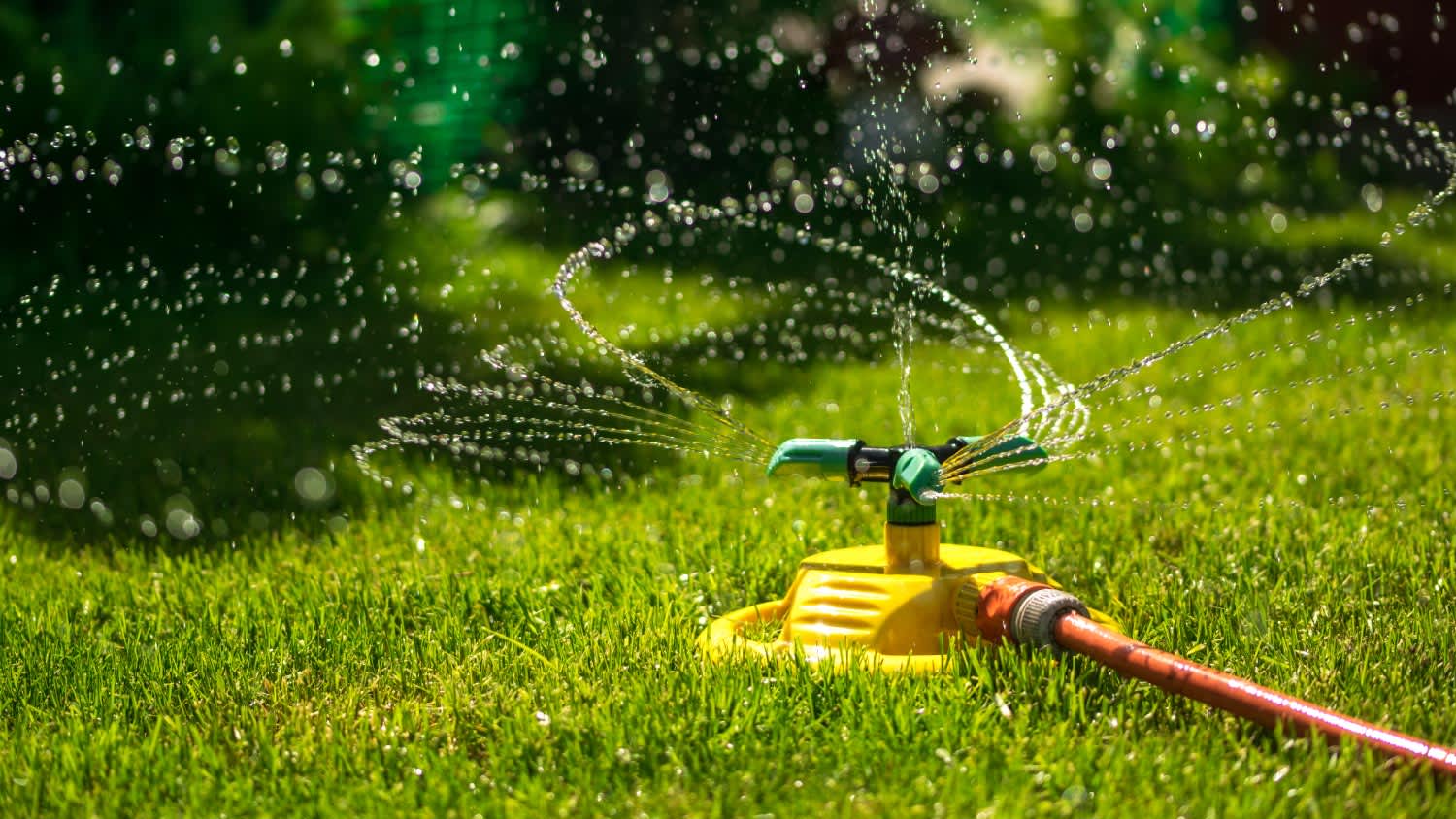
Yes, you should water your grass after seeding it. During the first couple of weeks after laying the seed, you should water the lawn two or three times per day for 10 to 15 minutes each session. After that, you can switch to 20- or 30-minute watering sessions every other day.
The Highmore, SD homeowners’ guide to lawn irrigation services
From average costs to expert advice, get all the answers you need to get your job done.
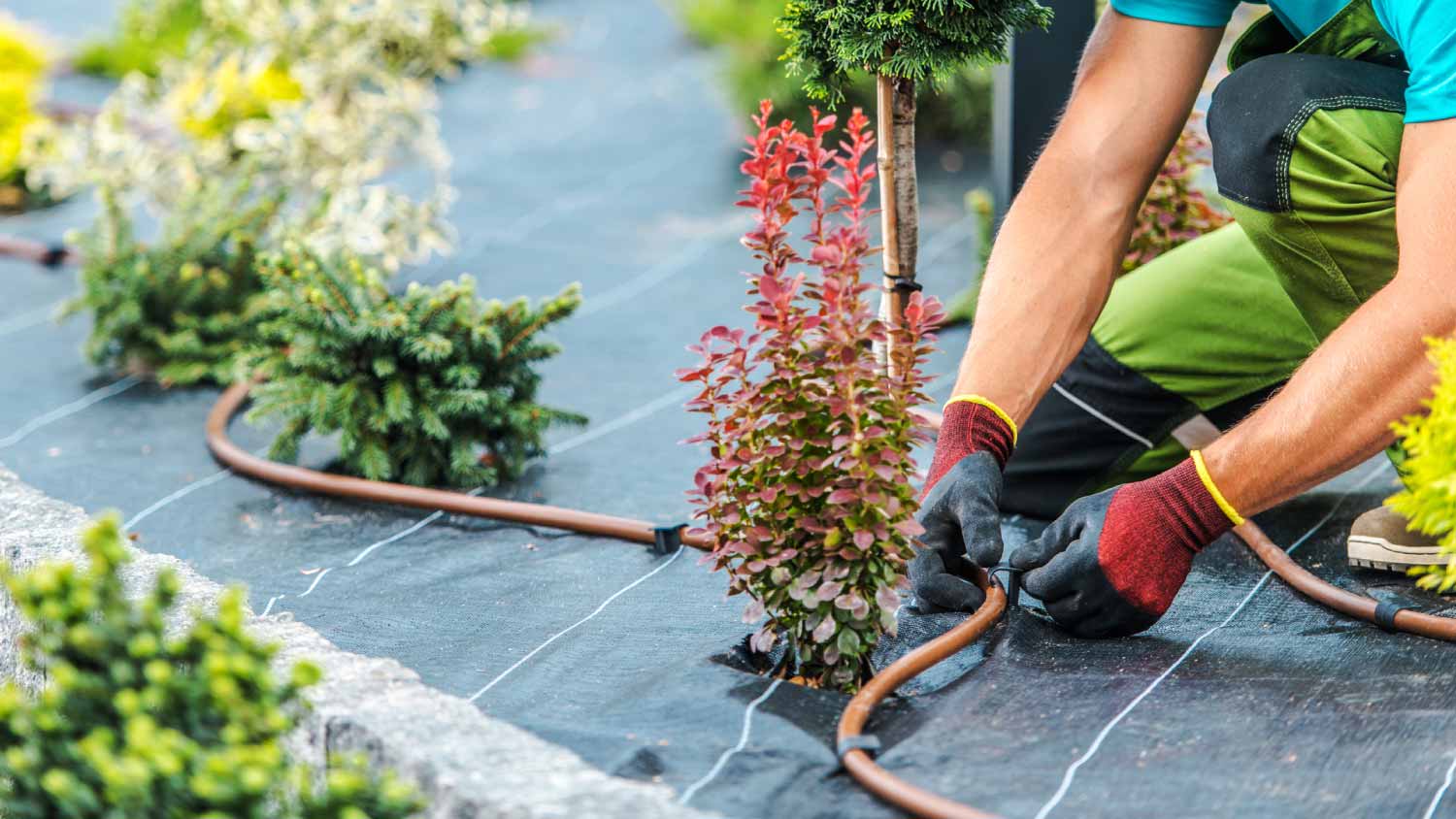
Need an effective solution for watering your garden? Here are four types of drip irrigation systems that can help you nurture your plants to perfection.
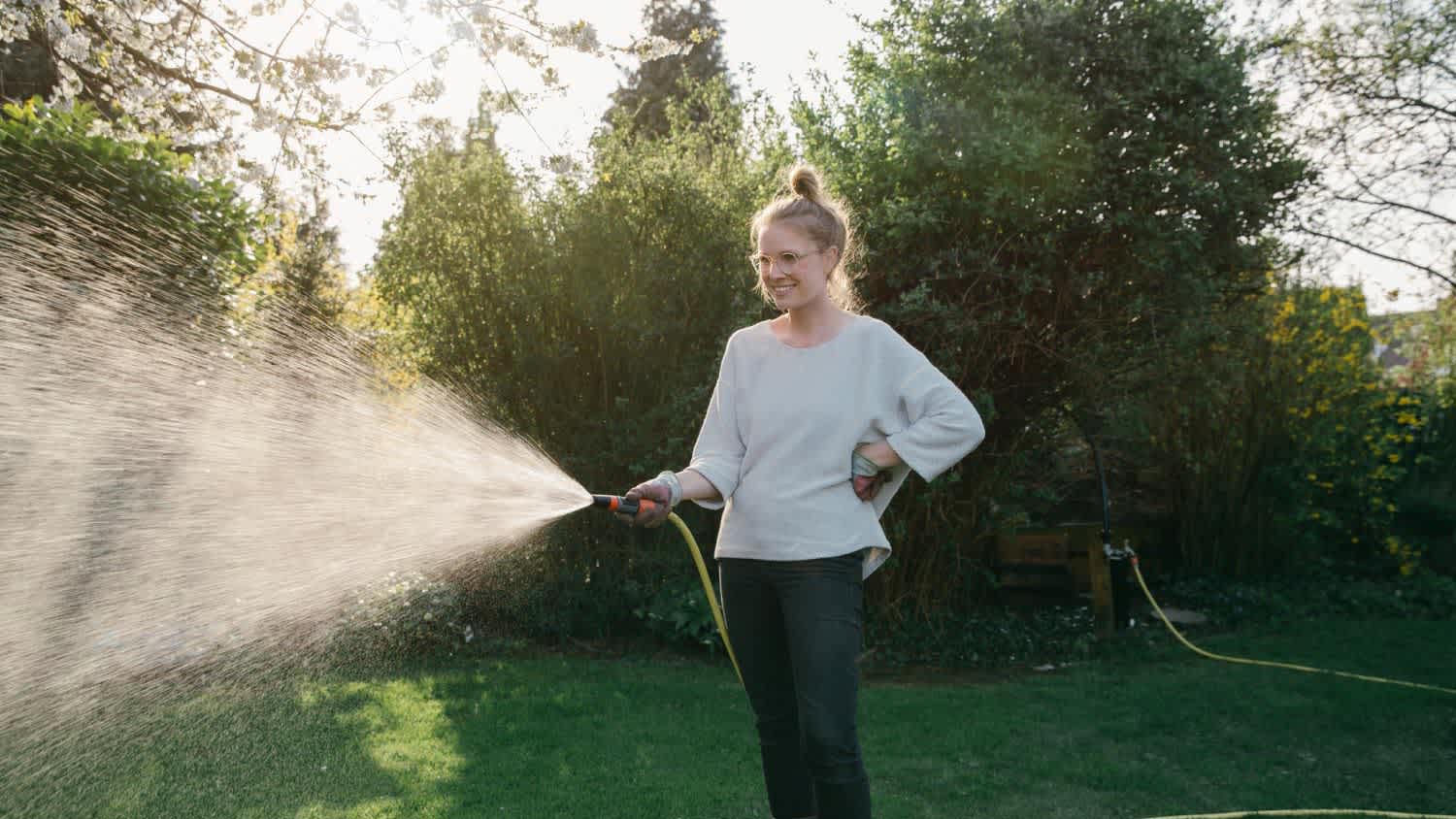
Can you keep your lawn healthy without a costly irrigation system? Absolutely. Learn the best way to water a lawn without a sprinkler system with this guide.