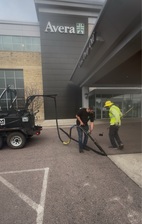
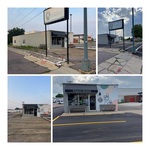
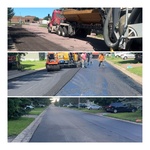
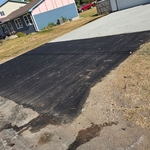
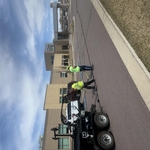
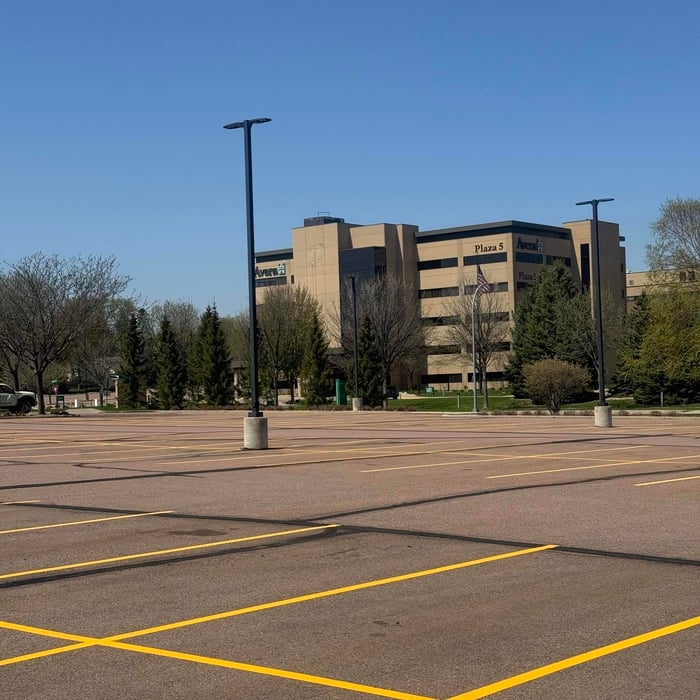
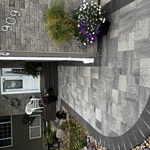
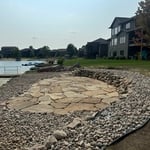
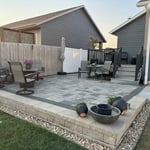
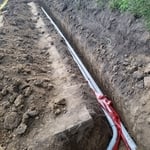
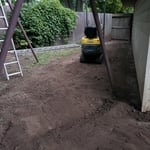
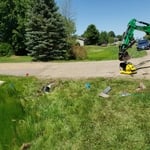
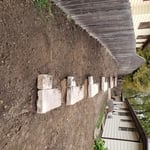
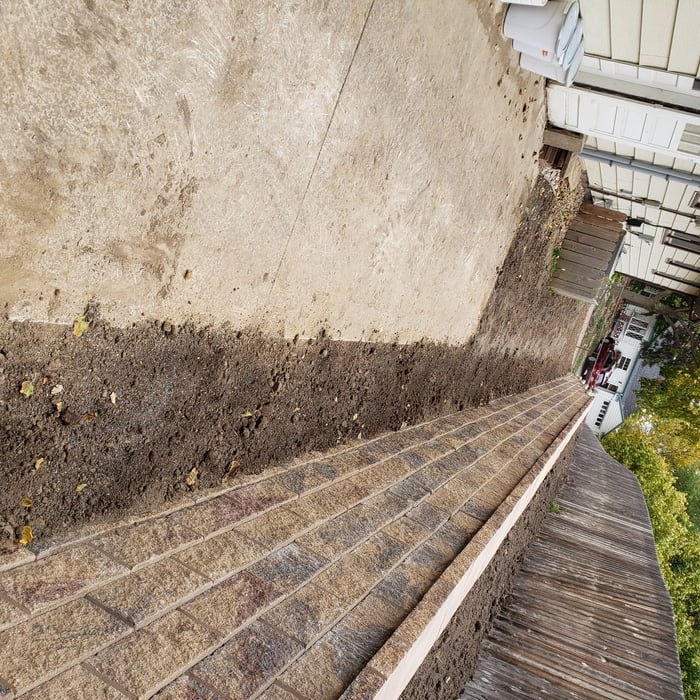
"Pedro and his crew did a great job. They seemed to be very particular about all the details. Left me with a nice slab of concrete and no mess. Landscaping mulch all put back in place. Their price was reasonable. I would definitely hire them again!"
"They were are friendly and let us know right away about one of the trees and how bad it was. If they couldn't come out because of rain they would call and let us know. They gave us a time they would be there if late they would call. Great job would hire again."
"He was very professional, courteous, we had a toilet overflow and come down through the kitchen ceiling, that he was working on at the time, he got the water shut off and helped on every way he could. He framed a kitchen ceiling and put up sheet rock to replace an old drop ceiling ( gross ) it turned out amazing perfect and affordable. His bid was simple and just focused on the work I needed done and didn t create extra unnecessary work to inflate the bid, which some contractors do. So it was a relief to find someone that wasn t trying to clean me out or take advantage. I would recommend highly and don t enough great things to say about him! - Jessica"
We pride our company on reliability, great communication, integrity, and quality work. We are experts in our trade and will do our best to keep you as educated as we can on your particular task or project. We look forward to earning your business!
"Very quick, very professional, the entire crew was extremely professional and kind. Would definitely recommend to anyone looking for any type of painting or more!"
"Having had a little experience in concrete installation, I was pleased with the steps taken in preparation and installation. Our new driveway should last a long time. I am recommending Sanderson to anyone who asks."
When comparing installation costs, asphalt is often less expensive upfront than concrete. Asphalt prices typically range from $7 to $15 per square foot, while concrete can range from $3 to $18 per square foot. However, long-term costs should also be considered. Concrete driveways generally last longer (up to twice as long) and require less maintenance, which can make them more affordable over their lifespan. While asphalt has a lower installation cost and is easier to repair, it requires more frequent maintenance, such as sealing, which can add up over time. Therefore, while concrete is more expensive initially, its durability may offset the cost in the long run.
Asphalt and tarmac are not the same thing. Traditional tarmac, short for tarmacadam, uses tar as a binder to hold crushed stone together. Asphalt uses bitumen—a byproduct of crude oil—to bind aggregate. Though tarmac was once a go-to for roads, asphalt has become the modern standard. And these days, most surfaces referred to as “tarmac” are actually asphalt. So, while the names may overlap, the key distinction lies in the binder—tar for tarmac and bitumen for asphalt.
In most cases, you don’t need a permit to repave your driveway, although some exceptions exist. If you’re widening your driveway and plan on widening the apron as well, you’ll usually need a permit from the Department of Transportation in your area. This permit costs between $50 and $300 in most cases. Most municipalities will also require a certified and insured contractor do the work relating to the apron and curb cut. You can contact your building department or ask your paving company if you need a permit. Your driveway professional will usually pull the permit for you.
Asphalt dries and cures best between 50 and 85 degrees Fahrenheit. This range allows moisture to evaporate quickly without causing the asphalt to cool too fast, which can negatively affect the drying process. However, keep in mind that other weather conditions can also affect curing and drying times, such as precipitation and humidity.
There’s no single best asphalt grade—it all comes down to where and how it’s used. Highways and heavy-traffic roads need something tough, like polymer-modified asphalt (PMA) or Stone Matrix Asphalt (SMA). Local roads and parking lots rely on the Performance Graded (PG) system, chosen based on climate. A PG 64-28 mix, for example, handles a broad temperature range while simpler, more cost-effective mixes are typically enough for residential driveways. The best grade of asphalt depends on traffic, weather, and your budget, which is why a professional’s input is always a smart move before making a decision.
The Hartford, SD homeowners’ guide to asphalt driveway services
From average costs to expert advice, get all the answers you need to get your job done.
Adding a new asphalt driveway to your home can boost its overall appearance and give homeowners a nice ROI down the line. But how long do asphalt driveways last, and what can you do to maximize their lifespans? Read this guide to find out.