"Amanda was really very good! At first I was very skeptical, thinking why did I pay money to just speak with someone on the phone about my kitchen remodel project... but after just a few minutes of her addressing some of the issues/questions I emailed to her earlier, I knew it was worth it. It was very clear that she knew her business and she gave me several ideas that I had not even thought about. I told her that I would definitely recommend her to friends and I will very likely use her again myself for my next home project!
Our mission at Hampton Enterprise LLC is to provide clients with superior customer service, quality work and speedy service in all aspects of their home improvement needs. Licensed, insured and trusted since 1989; come discover the Hampton difference today!\n\nWe specialize in the installation and repair of Windows, Doors, Flooring, Sinks, Bathtubs, Showers, Sprinkler Systems and much more. We also offer Interior and Exterior Home Painting, Custom Welding Fabrication and Carpentry.Localy in your area just call and i will call back with a local number thank you . from James Hampton\n\nAL.Dothan 334-648-3817,\nAL Birmingham 334-648-3817,\nAL Huntsville 334-648-3817,\nAL Mobile 334-648-3817,\nAL Tuscaloosa 334-648-3817,\nAL Montgomery 334-578-4761,\nAR Little Rock 334-648-3817,\nAZ Phoenix 334-648-3817,\nCA LosAngeles/Sacramento 334-648-3817,\nCO Denver/Colorado Springs 334-648-3817,\nCT Hartford 334-648-3817,\nDE Dover 334-648-3817,\nFL Tallahassee 334-648-3817,\nFL Cape Canaveral/ Cocoa 334-648-3817,\nFL. Destin 334-648-3817,\nFL Gainsville 334-648-3817\nFl Jacksonville 334-648-3817,\nFL Orlando 334-648-3817,\nFL Panama City 334-648-3817,\nFL Tampa 334-648-3817,\nFL Miami 334-648-3817,\nGA Atlanta 334-648-3817,\nGA Albany 334-648-3817,\nGA Augusta 334-648-3817,\nGA Columbus 334-648-3817,\nGA Macon 334-648-3817,\nGA Valdosta 334-648-3817,\nIA Des Moines 334-648-3817,\nID Boise 334-648-3817,\nIL Chicago/Springfield 334-648-3817,\nIN Indianapolis 334-648-3817,\nKS Levenworth/Topeka 334-648-3817,\nKY Frankfort 334-648-3817,\nLA New orleans/Baton Rouge 334-648-3817,\nMA Boston 334-648-3817,\nMD Annapolis 334-648-3817,\nME Augusta 334-648-3817,\nMI Detroit/Lansing 334-648-3817,\nMN Saint Paul 334-648-3817,\nMO kansas City/Jefferson City 334-648-3817,\nMS Jackson 334-648-3817,\nMS Biloxi 334-648-3817,\nMS Gulf Port 334-648-3817,\nMT helena 334-648-3817,\nNC Raleigh 334-648-3817,\nND Bismark 334-648-3817,\nNE Lincoln 334-648-3817, \nNJ Trenton 334-648-3817,\nNM Santa Fe 334-648-3817,\nNV Carson City 334-648-3817,\nNV Las Vegas 334-648-3817\nNY Albany 334-648-3817,\nOH Columbus 334-648-3817,\nOK Oklahoma Ciy 334-648-3817,\nOR Salem 334-648-3817,\nPA harrisburg 334-648-3817,\nRI Providence 334-648-3817,\nSC Columbia 334-648-3817,\nSD Pierre 334-648-3817,\nTN nashville 334-648-3817,\nTX Austin 334-648-3817,\nUT Salt Lake City 334-648-3817,\nVA Richmond 334-648-3817,\nVT montpelier 334-648-3817,\nWI Madison 334-648-3817,\nWV Charleston 334-648-3817,\nWY Cheyenne 334-648-3817
Lavin Construction can give you the home you're looking for, whether that's building a new custom home, building an addition, or remodeling your current home. Call Today!
David Ferguson's construction business is dedicated to quality and outstanding customer service. Our job is to provide you with quality service at a great price. Please don't wait call us today.
Adding a bathroom to your basement can increase your home value since homes with multiple bathrooms sell for more. The return on investment (ROI) for a basement bathroom is 50% to 75%. The actual return varies with your home and location. Adding a half bath to your home increases the value by 2.9% while finishing a basement increases the home value by 6.6%.
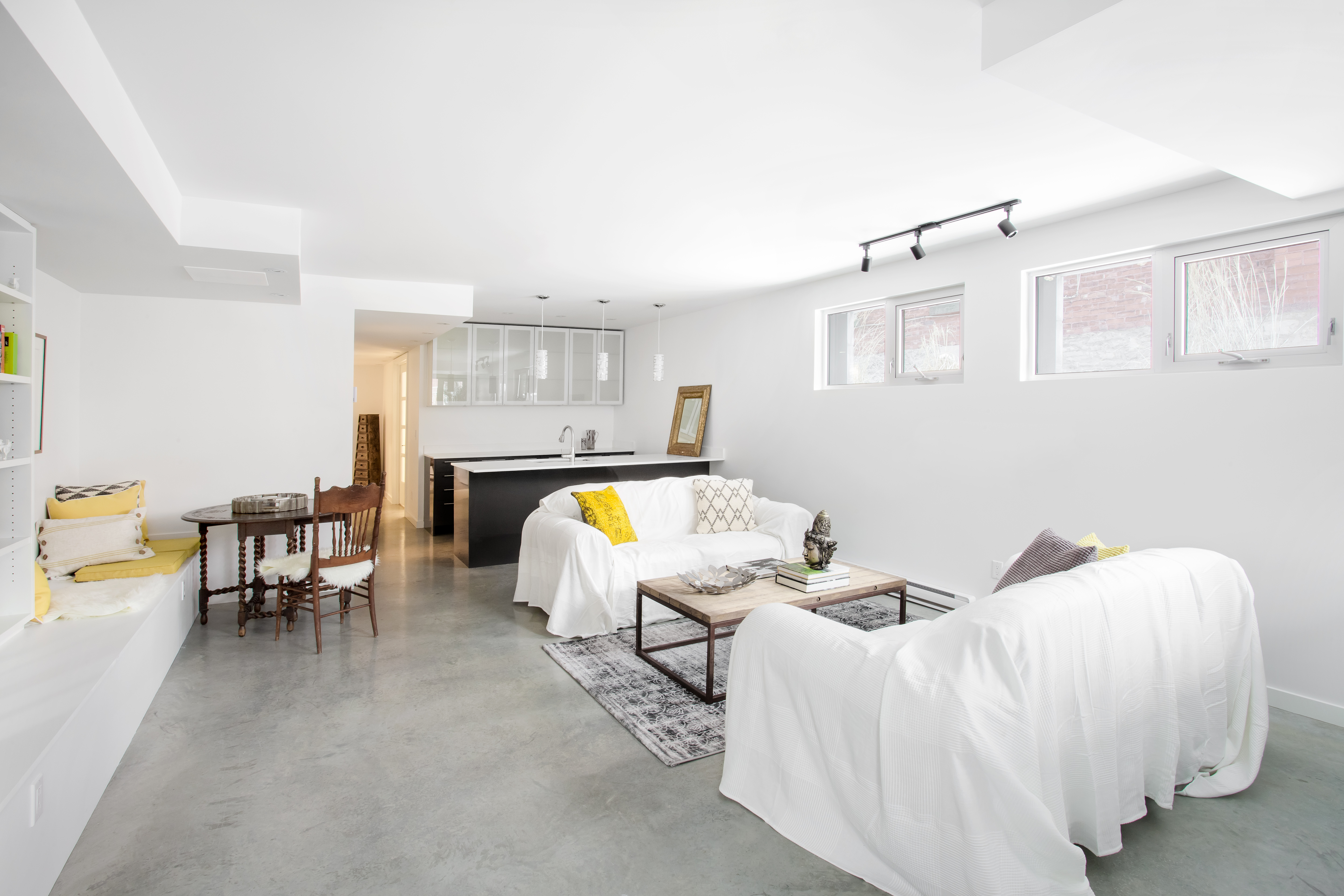
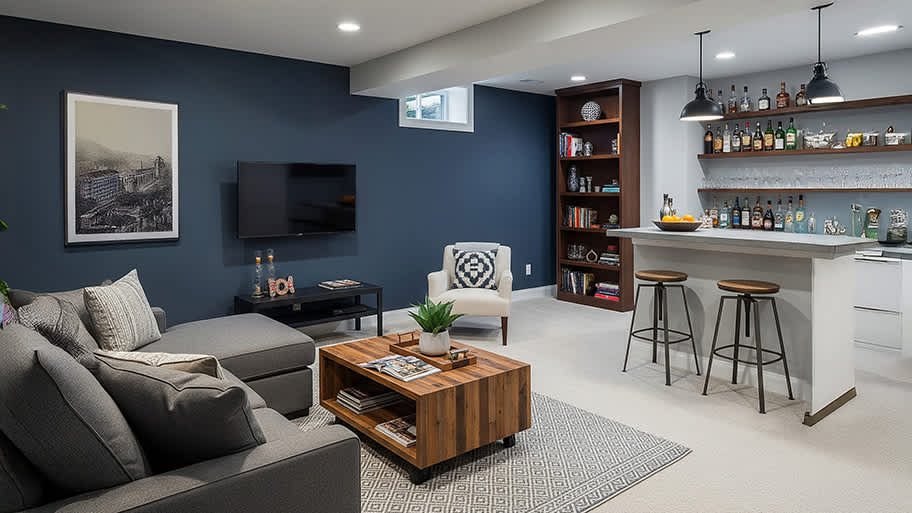
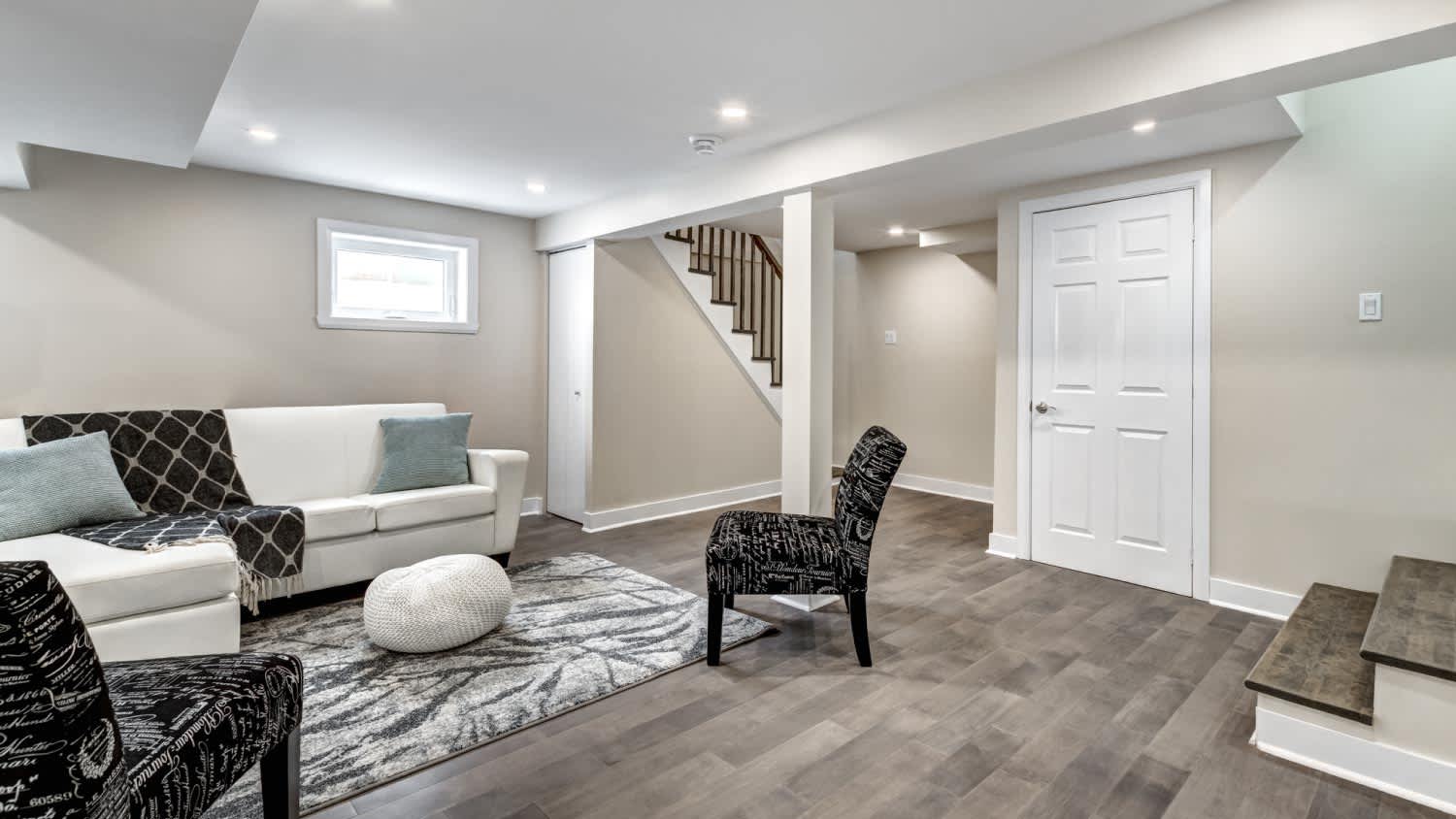
Basements are commonly converted into game rooms. The potential challenges you may run into include controlling moisture, working with low ceilings, limited natural light, and the need for additional electrical or HVAC work. Addressing these issues can add to the total cost, but it ensures a comfortable and functional space.
Any bowing in a basement wall indicates a problem that needs to be addressed by a professional. If your basement wall bows more than 1 inch, it's time for an inspection. Generally, a wall can bow up to 30% of its thickness (around 2.5 inches for an 8-inch-thick wall) before it becomes an urgent situation. Bowing of 2 to 4 inches is more straightforward to fix than bowing of more than 4 inches, which will require significant repairs. If the bowing is more than 6 inches, the wall will likely need to be replaced. The sooner you address the problem, the easier and less expensive the repair will be.
Yes, most general contractors require an initial down payment, typically between 10% and 25% of the total project cost. This upfront payment helps cover the costs of materials, permits, and subcontractors. The remaining project costs are usually billed after specific project milestones are reached or on set completion dates, as outlined in your contract. Be wary of contractors who require a significant deposit of 50% or more upfront, as this could be a red flag for a scam.
It is generally more affordable to finish a basement than an attic, though it ultimately depends on how you plan to use the space. The average cost to finish a basement ranges from $7 to $23 per square foot, while attic renovation costs $30 to $60 per square foot. However, a simple attic conversion to a storage space will cost significantly less.
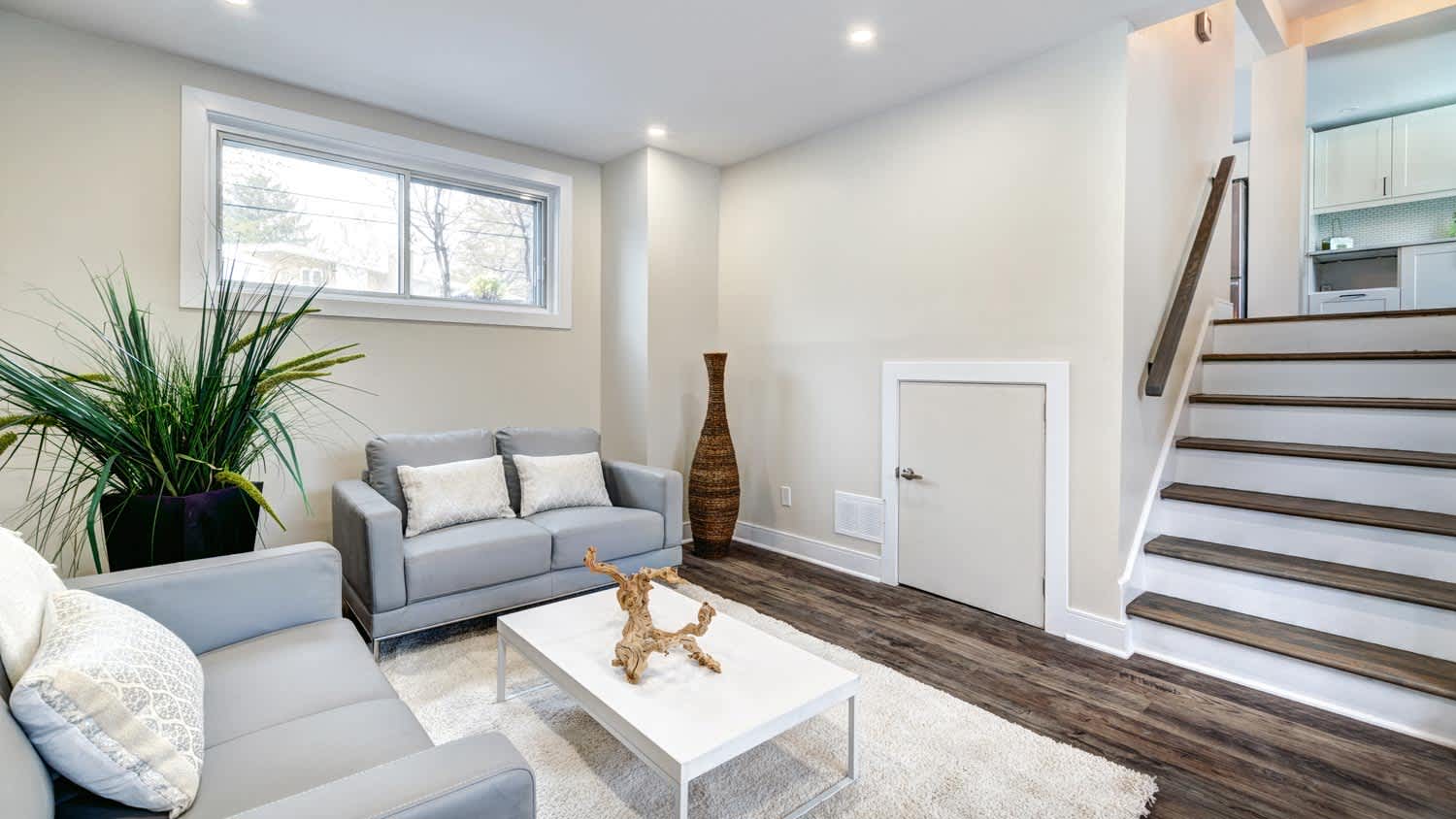
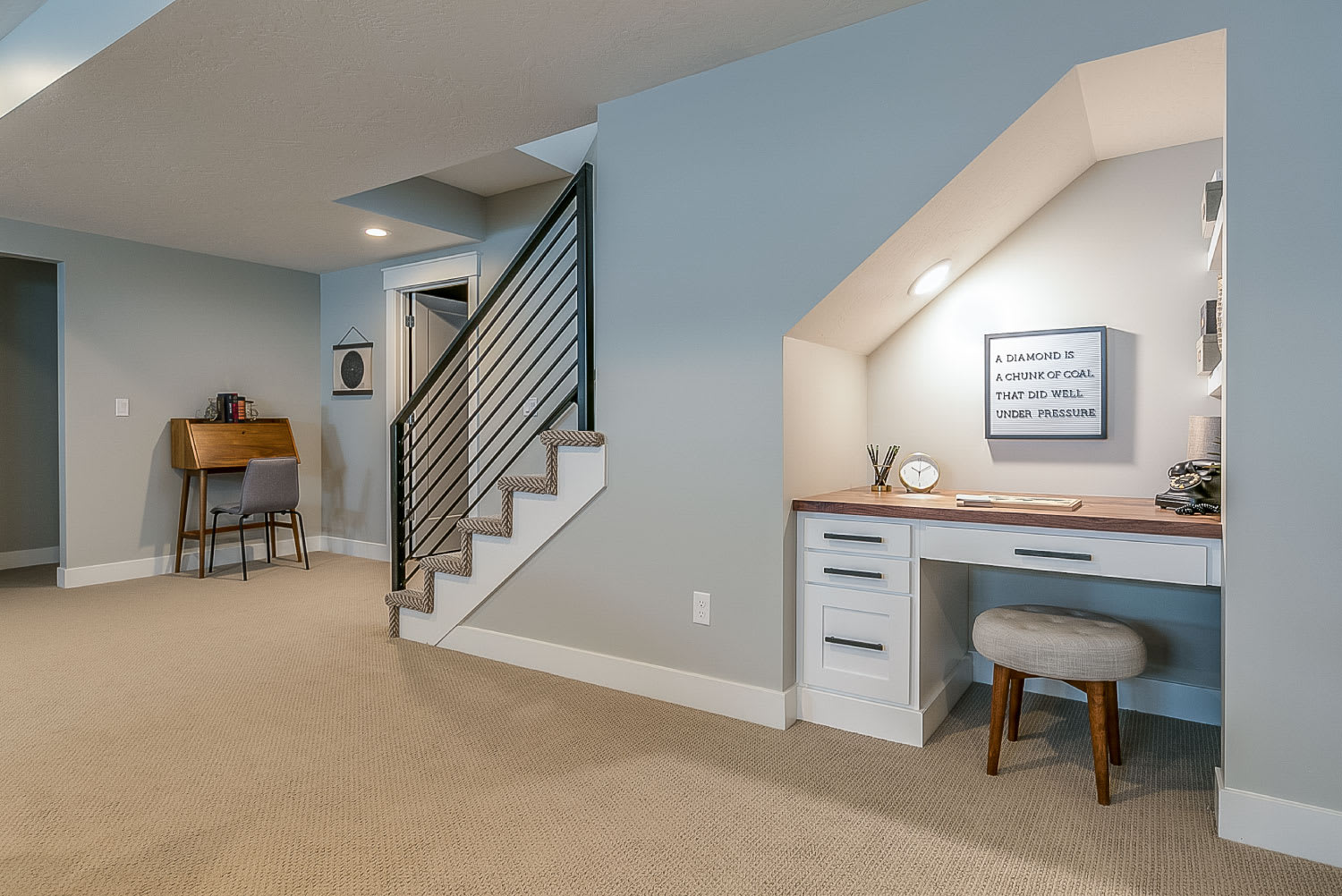
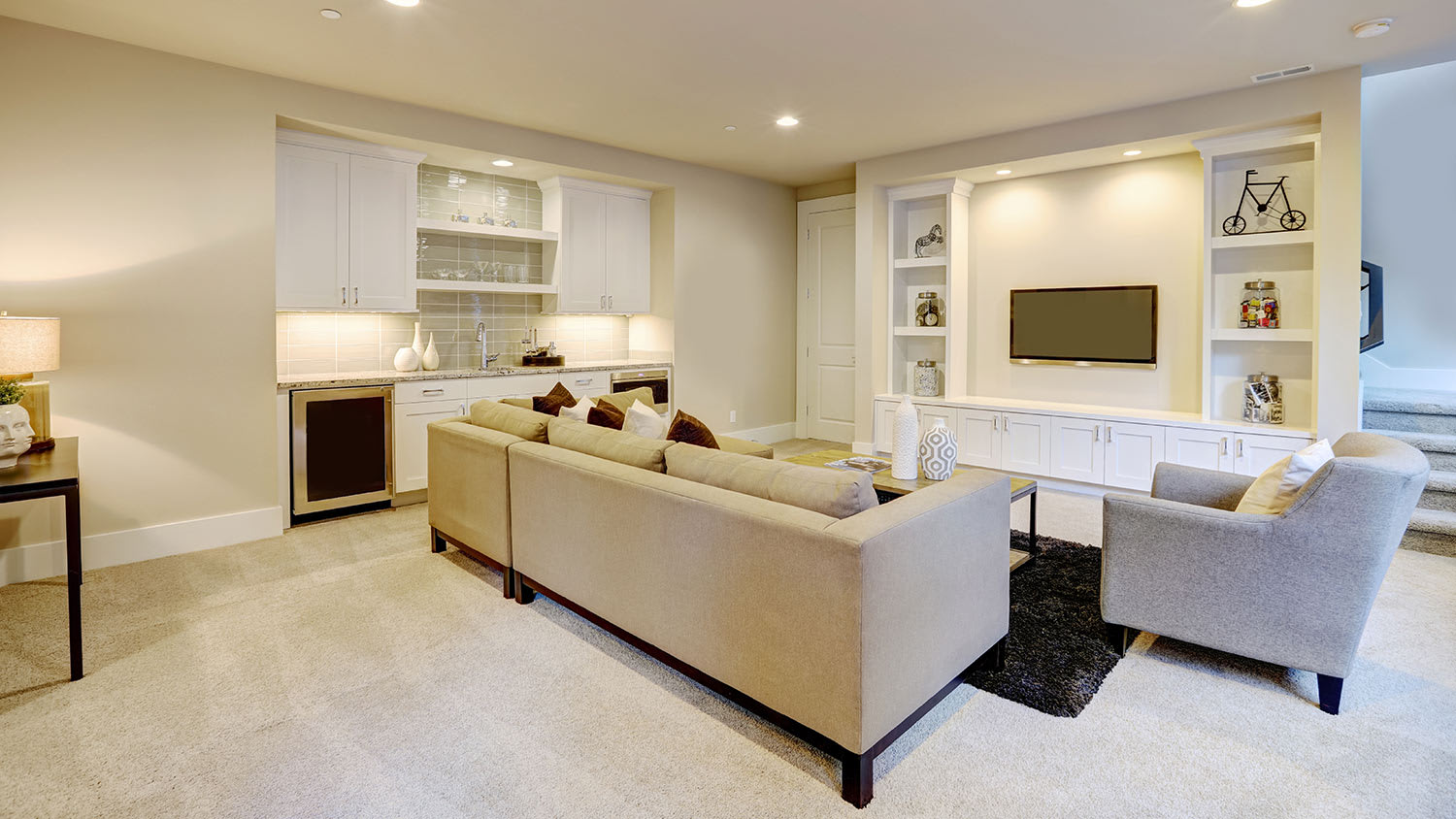
The Faith, SD homeowners’ guide to basement remodels
From average costs to expert advice, get all the answers you need to get your job done.
Hiring a bad basement remodeler can wreak havoc on the look and longevity of your unfinished space. Here are red flags to look for as you vet basement contractors.