

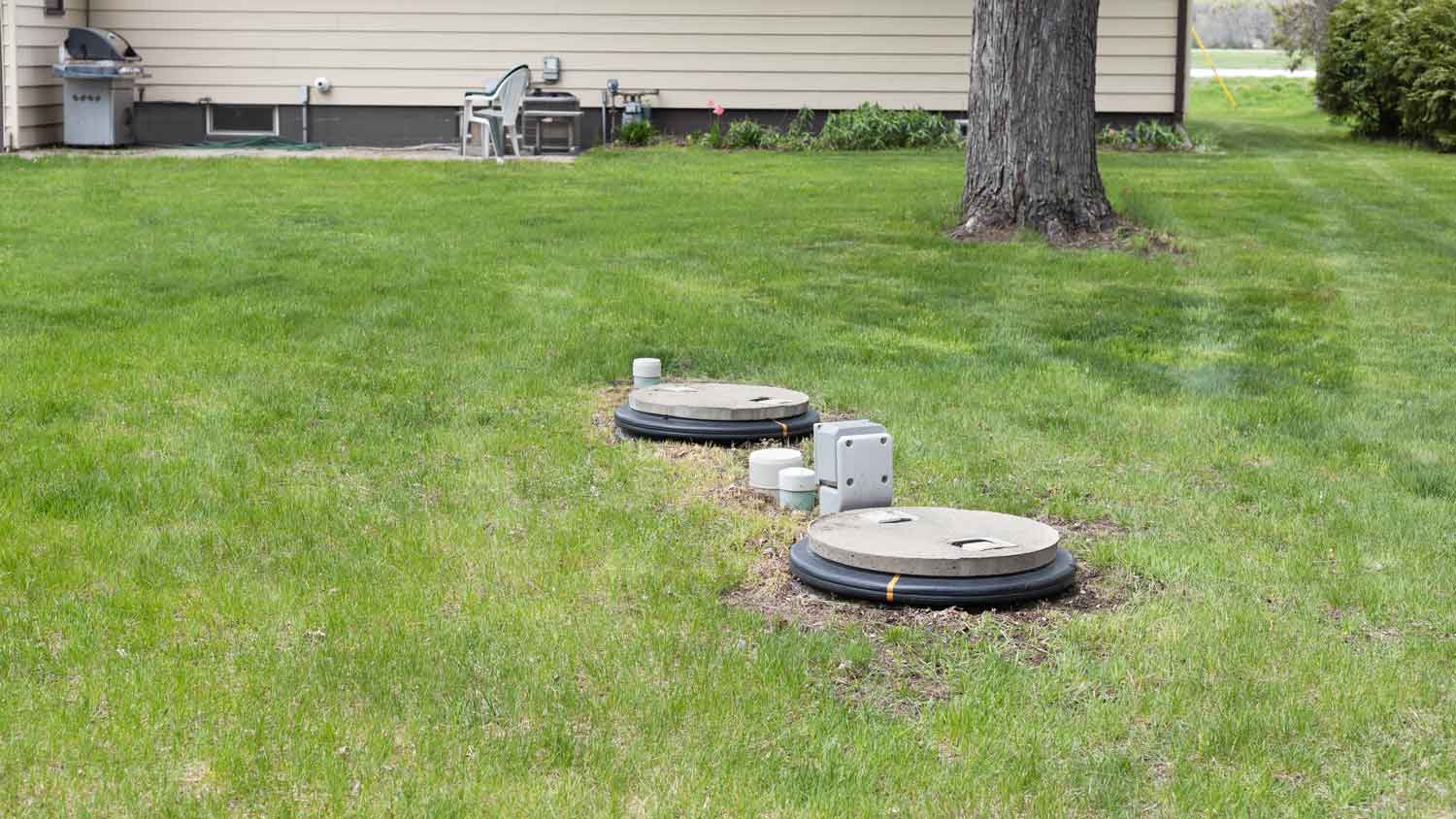
Top-rated percolation testing pros.

Best percolation testing pros near Dakota Dunes, SD

Enter your zip and get matched with up to 5 pros

Need a pro for your percolation testing project in Dakota Dunes, SD?

Select your specific project to find the pro for you.

TRUSTED BY DAKOTA DUNES, SD HOMEOWNERS

  • Average homeowner rating star icon4.5
    Average homeowner rating
  • Verified reviews icon100
    Verified percolation testing services reviews

Top-Rated Percolation testing pros in Dakota Dunes - Updated Nov 2026

No results for Percolation testing pro in

Try adjusting your search criteria.
Percolation Tests FAQs, answered by experts

It can be safe to live in a house with asbestos as long as the asbestos-containing materials are intact, in good condition, and not disturbed. Asbestos becomes dangerous only when its fibers are released into the air, which happens if the material is damaged, crumbling, or disturbed during renovation work. If you suspect asbestos is present, do not disturb it. Instead of removal, materials in good condition can sometimes be encapsulated. It is recommended to have regular professional inspections to monitor the condition of the asbestos and prevent health risks from potential exposure.

When asbestos fibers become airborne, they enter a person's respiratory system. These fibers scar and damage the lungs and often lead to serious cancers like mesothelioma. Like many dangers in the house, asbestos isn’t easy to see when it could be causing serious damage. The amount of time exposed, combined with the person’s tolerance for asbestos inhalation and the amount inhaled, will all contribute to health problems.

Asbestos can be found in many building materials, especially if the materials were installed more than 20 years ago. Asbestos-containing materials (ACM) can include:

  • Acoustic ceiling tiles

  • Furnace insulation

  • Home appliances

  • Fire-retardant clothing

  • Cement pipe

  • Pipe insulation

  • Wall and ceiling insulation

  • Vehicle brake pads

  • Vinyl flooring

  • Sprayed acoustic ceilings

  • Stove insulation

  • Patching compounds

  • Textured paints

  • Roofing shingles

  • Siding

In the 1980s, the use of asbestos in house siding materials underwent a significant decline, ultimately being phased out by the mid-1980s to early 1990s. This change was largely due to a growing awareness of the severe health risks associated with asbestos exposure, particularly its link to lung diseases and cancers. With increased public concern and regulatory agency involvement, building codes and regulations were updated to restrict the use of asbestos in construction materials. 

Depending on the size of your home, the inspection process could take a few hours or a few days. While inspecting your home, the asbestos specialist will take small sections of the potentially contaminated material. They will then send the sample to an accredited laboratory or the local health department for testing. 

The cost of asbestos testing depends on your location, the home's size, and the testing area's complexity. Plan to spend between $230 and $800 for testing. During testing and while handling potential asbestos, the specialist may wear protective gear, including gloves, overalls, appropriate footwear, and respiratory equipment.

The Dakota Dunes, SD homeowners’ guide to percolation testing services

From average costs to expert advice, get all the answers you need to get your job done.