







Top-rated deck cleaning pros.

Get matched with top deck cleaning pros in Dakota Dunes, SD

Enter your zip and get matched with up to 5 pros

Need a pro for your deck cleaning project in Dakota Dunes, SD?

Select your specific project to find the pro for you.

TRUSTED BY DAKOTA DUNES, SD HOMEOWNERS

  • Average homeowner rating star icon4.6
    Average homeowner rating
  • Verified reviews icon17
    Verified deck cleaning services reviews

Find Deck cleaning pros in Dakota Dunes

Dakota Petriwood
New to Angi
Deck, Fence, Patio or Porch - Clean and SealDeck, Fence, Patio or Porch - Clean and Seal - For Business

Serving Dakota Dunes, SD and surrounding areas

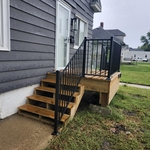
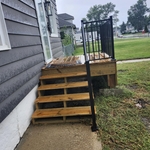
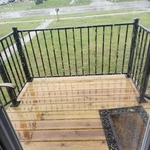
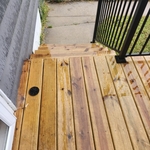
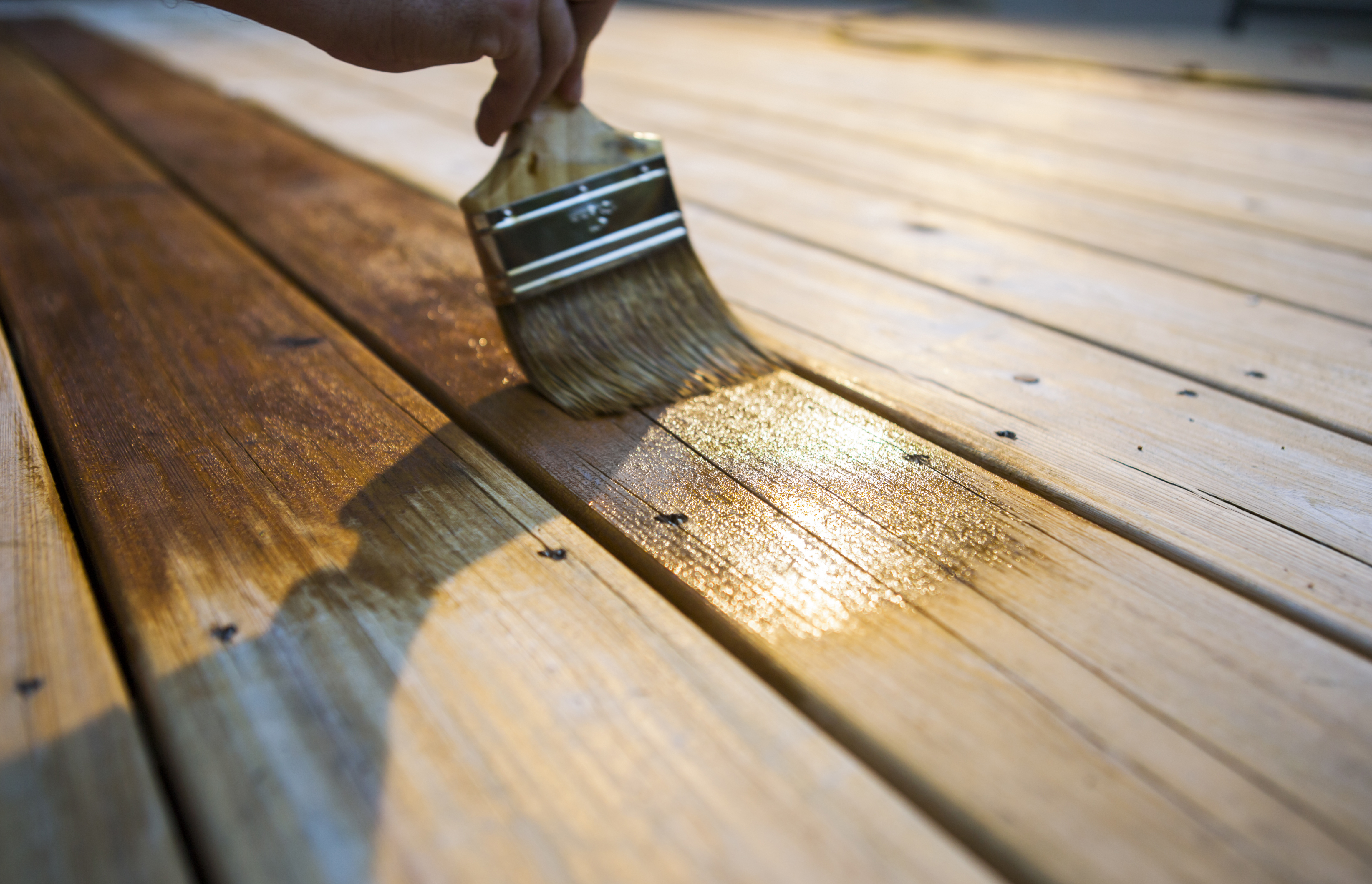
Fence and Deck Restoration \n\n\nAt Dakota Petriwood we specialize in exterior wood care. Our restoration services include cleaning, and sealing outdoor structures such as fences, arbors, decks, and play sets.\n\nRestoring is the key to protecting the woods natural beauty and original form.\n\nBenefits of sealing your fence:\n\nWaterproofs Wood \nExtends Wood Life\nMold, Mildew, and Fungus Resistant \nPrevent Cracking and Splitting, Rotting\nPrevent Carpenter ants, and Termites\n\n(Not Sold in Stores)\n\nCall us at 605-951-0045 or visit www.dakotapetriwood.com

Showing 1-10 of 22
Deck Cleaning questions, answered by experts

The proper height for a stair riser or deck step is between four and seven inches, with seven inches often considered the most comfortable. Building your stairs to this height ensures a strain-free step position and minimizes the risk of trip and fall injuries. For optimal safety and comfort, especially on deck stairs, a rise of around seven inches should be paired with a tread depth (or run) of at least 10 to 12 inches. While it is possible to design stairs with risers up to 12 inches, this height can be challenging for children, pets, or individuals with mobility issues. Always check with your local building codes, as they may mandate specific dimensions that differ from these general recommendations.

The cost to repair a deck is between $900 and $3,500, depending on the cause and extent of the damage. For example, fixing a sinking deck caused by pest damage can cost between $200 and $600, while replacing sinking boards costs between $500 and $4,000.

When sourced responsibly, the most sustainable wood decking options are timber trees like redwood, pine, Douglas fir, Nootka cypress, and Western red cedar. These tree species are fast-growing with low carbon emissions. Plus, most timber woods make durable deck materials because of their resistance to rot and decay over time. 

Staining and sealing the underside of a deck creates a moisture barrier but traps water in the boards, quickly leading to rot. No matter how well you seal the above deck, water still gets through via nails and screw heads on the surface. Allow this water to flow naturally under the deck, where it is routed through the drainage system.

A cedar deck can increase your home's value if the project is executed well. The value added by a deck is influenced by factors such as location, materials, and craftsmanship. In regions with warmer climates, decks are particularly desirable, enhancing outdoor living spaces.

The key to getting the most value out of your investment, both in terms of home value and personal enjoyment, is to make sure your deck is built to exacting standards. You should consult with a professional deck builder to get the best results and the highest ROI.

The Dakota Dunes, SD homeowners’ guide to deck cleaning services

From average costs to expert advice, get all the answers you need to get your job done.