Top-rated energy efficiency auditors.

Best energy efficiency auditors near Colton, SD

Enter your zip and get matched with up to 5 pros

Need a pro for your energy efficiency auditing project in Colton, SD?

Select your specific project to find the pro for you.

Top-Rated Energy efficiency auditors in Colton - Updated Nov 2026

Solar Solutions - Home Facebook
0.0(
1
)
Home Energy Audit

Serving Colton, SD and surrounding areas

In business since 1996

Free estimates

We have been your testing and abatement source, energy audits, remodeling, weatherization, radon mitigation, testing for mold, lead and asbestos. \nStudies have shown that homes that are efficiently built or retrofitted with energy efficient measures are not only cheaper to own, but more comfortable, and quiet. We can audit you home to evaluate the performance of your systems. \n

Recommended by100%of homeowners
Avatar for A1 seamless Rain Gutters inc.
A1 seamless Rain Gutters inc.
4.8(
4
)
Energy Audit - For BusinessHome Energy Audit

Serving Colton, SD and surrounding areas

In business since 2011

Free estimates

Emergency services offered

"Ryan was very attentive and responded to all my questions in a timely basis. His bid to reshingle my roof was very competitive, however, I ended up hiring a family member of someone I work with that gave me a very deep discount."
Response time6 days
Recommended by100%of homeowners
SEG
New to Angi
Energy Audit - For BusinessHome Energy Audit

Serving Colton, SD and surrounding areas

In business since 1971

Free estimates

Small jobs welcome

We are a locally owned and operated company. We value honesty and integrity in all aspects of our business. We offer a variety of home improvement services that are customized to each individual project. We pride ourselves on the quality of our work, as well as our commitment to outstanding results. We look forward to building lasting relationships with our clients and guarantee your satisfaction!

Response time3 days
Energy Efficiency Auditing FAQs, answered by experts

They’ll use more electricity than the average upright vacuum, but not remarkably more. Most power units plug into a standard 120-volt outlet and don’t have significant power demands. You shouldn’t notice an increase in electricity bills. If you have any specific questions about energy costs, ask your installer as you examine purchase decisions. Larger power units will need more electricity for their suction levels.

STC (Sound Transmission Class) is a rating that describes how well a building material or assembly blocks airborne sound. A higher STC rating means less noise will pass through the material, providing better sound reduction. This rating system applies to various building components, including windows, doors, flooring, drywall, and insulation.

For context, a typical single-pane window has an STC rating of around 25 (where normal conversations are audible), while a well-sealed, double-pane window can exceed STC 45 (blocking loud speech and most music). It is important to note that for some products, like soundproofing drywall, the STC rating refers to the entire wall system, not just the individual panel.

Additionally, STC ratings are most effective for measuring sound reduction at mid-to-high frequencies, such as human speech, and may not accurately reflect how well a material blocks low-frequency sounds like bass music or thunder. Because of these factors, it is recommended to consult a professional to determine the right STC-rated materials for your specific soundproofing needs.
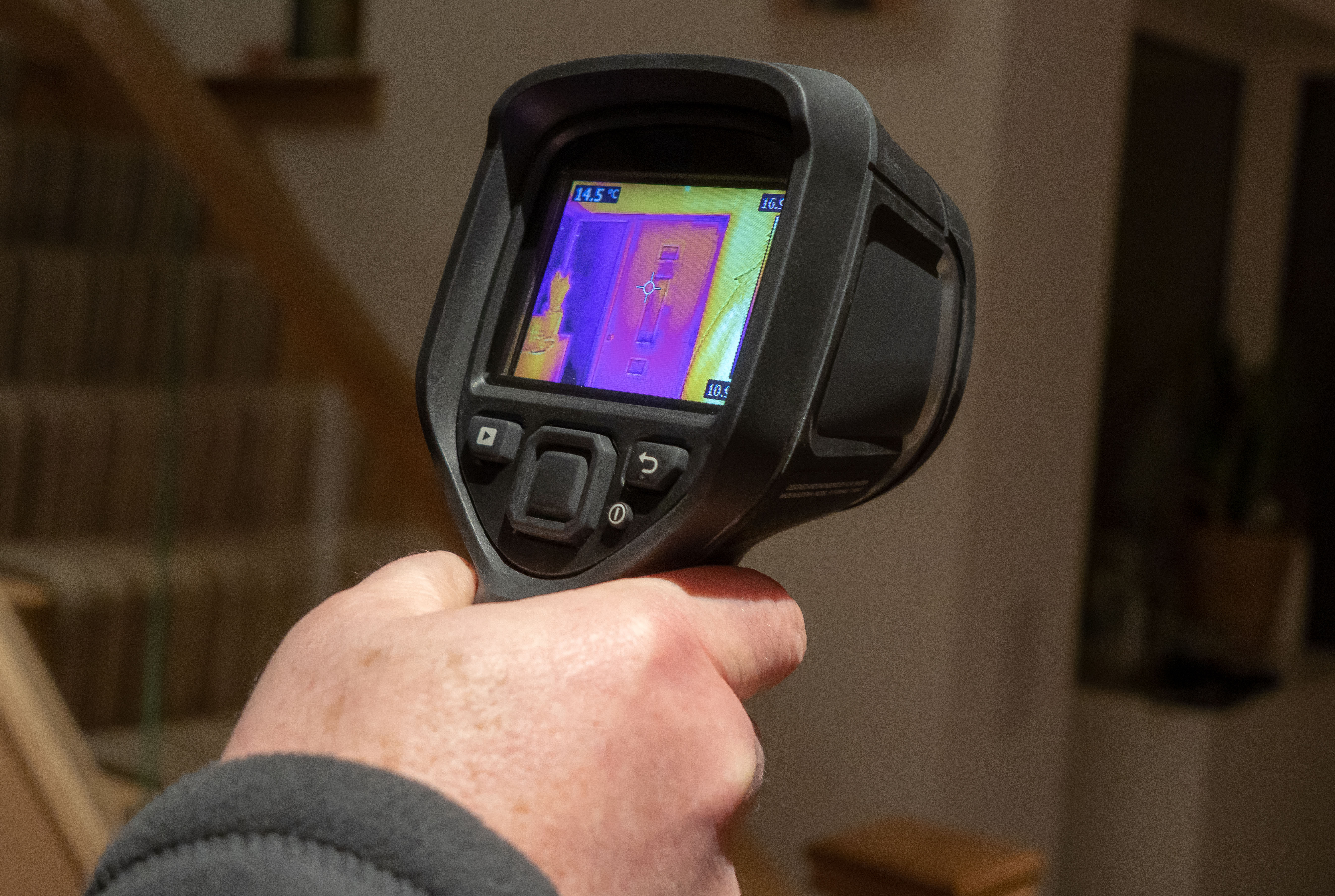

There are energy-efficient options when building a cottage. Select green building materials, high-performance insulation, and energy-efficient windows when designing your cottage. Options such as solar panels, efficient HVAC systems, and LED lighting can lower your utility bills and reduce your environmental impact. Many builders offer energy-efficient upgrades as part of the design process.

Motion-sensor lights use one watt while on standby and five watts while turned on. They’re usually on for one hour over a 24-hour period, bringing the total wattage to about 28 watts per day. LED lights use around 6.5 to 8 watts while on. If you leave an LED light on all night, with night ranging from 10 to 14 hours, you’re looking at using 65 to 112 watts a night. You can minimally cut your wattage in half by switching to a motion-sensor light.

Home power is measured in kilowatt-hours, commonly expressed as kWh. The average home uses between 800 and 1,000 kWh per month. Peak usage (and highest bills) occurs in the middle of summer and the depths of winter. Keeping on top of your usage during these crucial months will lower your annual average usage considerably. 

The Colton, SD homeowners’ guide to energy efficiency auditing services

From average costs to expert advice, get all the answers you need to get your job done.