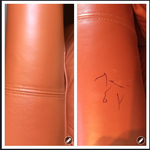
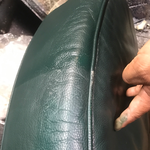
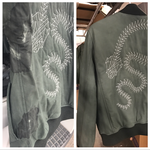
"When no one locally even responded to my inquiries for a quote, Michelle got back to me the same day with a quote and description of how the repair would be done. It's a slight downside to have to ship one glove coast to coast for a minor repair on one finger. But the cost of shipping and the repair is much less than purchasing another $100 pair of gloves! The repair took a little longer than anticipated, but shipping time had to be factored in as well. Michelle was very prompt with communications during the process. Cost of service below did not include shipping which was about $16 round trip. The glove returned good as new...well as good as it's pair. The glove is two years old. But the seam was totally resewn and reinforced. Michelle stated she did not want to the issue to happen again. I hope it won't. The problem started with my fingers rubbing. Very happy with the service from Premier. I wish they had a shop in Maryland!"
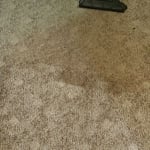
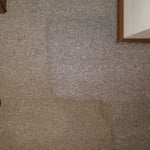
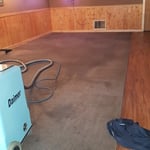
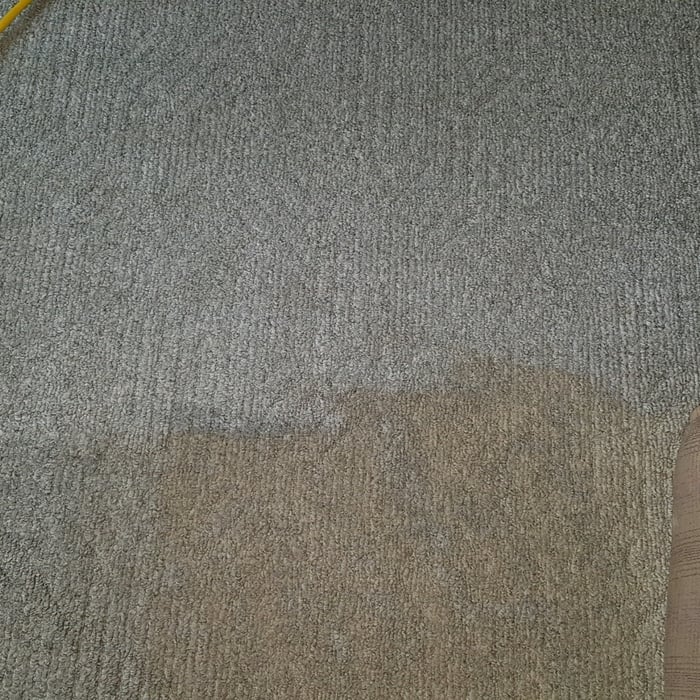
"Very prompt and courteous customer service. Worked with my schedule and did great work. Went above and beyond and cleaned all flooring in my apartment and not just the carpet. Very impressed!"
With years in the industry here at Lend a Hand Services we pride our company on attention to detail, punctuality, reliability, great communication, integrity, and quality work. We are experts in our trade and will do our best to keep you as educated as we can on your particular task or project. Our attention to detail is that of no other. We look forward to earning your business. Give us a call today!
It is not advisable to DIY a roof cleaning job. Cleaning your roof yourself could lead to hazardous falls, scrapes, and even burns, making this a dangerous project. Additionally, using the wrong cleaning solution or cleaning method on your roof could risk damaging it. While some markets offer a DIY roof cleaning kit, these products often speed up the deterioration of your roof.
To ensure that you and your roof are protected, it’s best to leave roof cleaning to a professional with the right chemicals, tools, and equipment to complete the job safely.
While spotting a bit of algae on your roof may not bother you at first glance, it is certainly bothering your roof shingles. The presence of algae can cause decay and shorten the lifespan of your roof’s shingles, which can lead to much bigger problems down the road. While this issue may seem cosmetic at first glance, it goes much deeper than that.
Yes, algae-resistant shingles will prevent algae and moss growth, providing double protection for your roof and roof flashing. The copper-infused granules on algae-resistant shingles release copper ions that inhibit plant growth in general, so moss will have a harder time growing on your roof, too. Keep in mind that copper ions flowing off your roof during rainfall can also inhibit plant growth below, so your gardens and grass may be affected.
To keep your PVC roof in top condition, keep it clear of debris, ensure drainage systems are working properly, and inspect it for damage regularly. Keeping the roof clear of ponding water, sharp debris, and other hazards will prevent damage. Have your roof inspected by a professional once a year to ensure the seams aren’t damaged or separated—faulty seams can lead to destructive water intrusion.
Removing snow from your roof can help prevent ice dams, but the best thing to do is address insulation issues in your attic. If you do decide to remove the snow manually, you should always use a roof rake rather than a shovel. You shouldn’t climb your snowy roof in any circumstance, and roof rake allows you to remove the snow from the ground or a ladder. For the best results, remove snow as soon as possible after it falls.
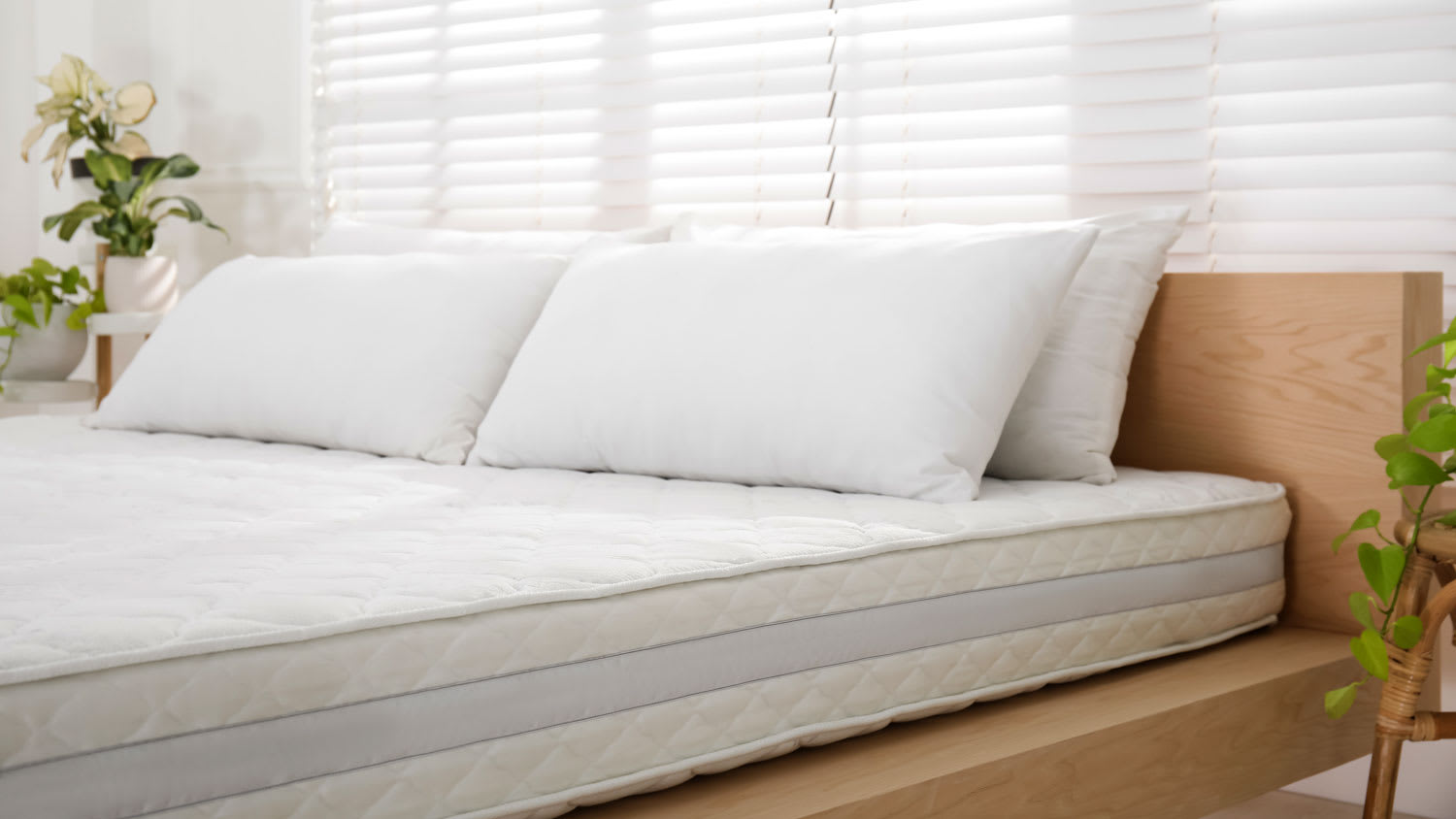
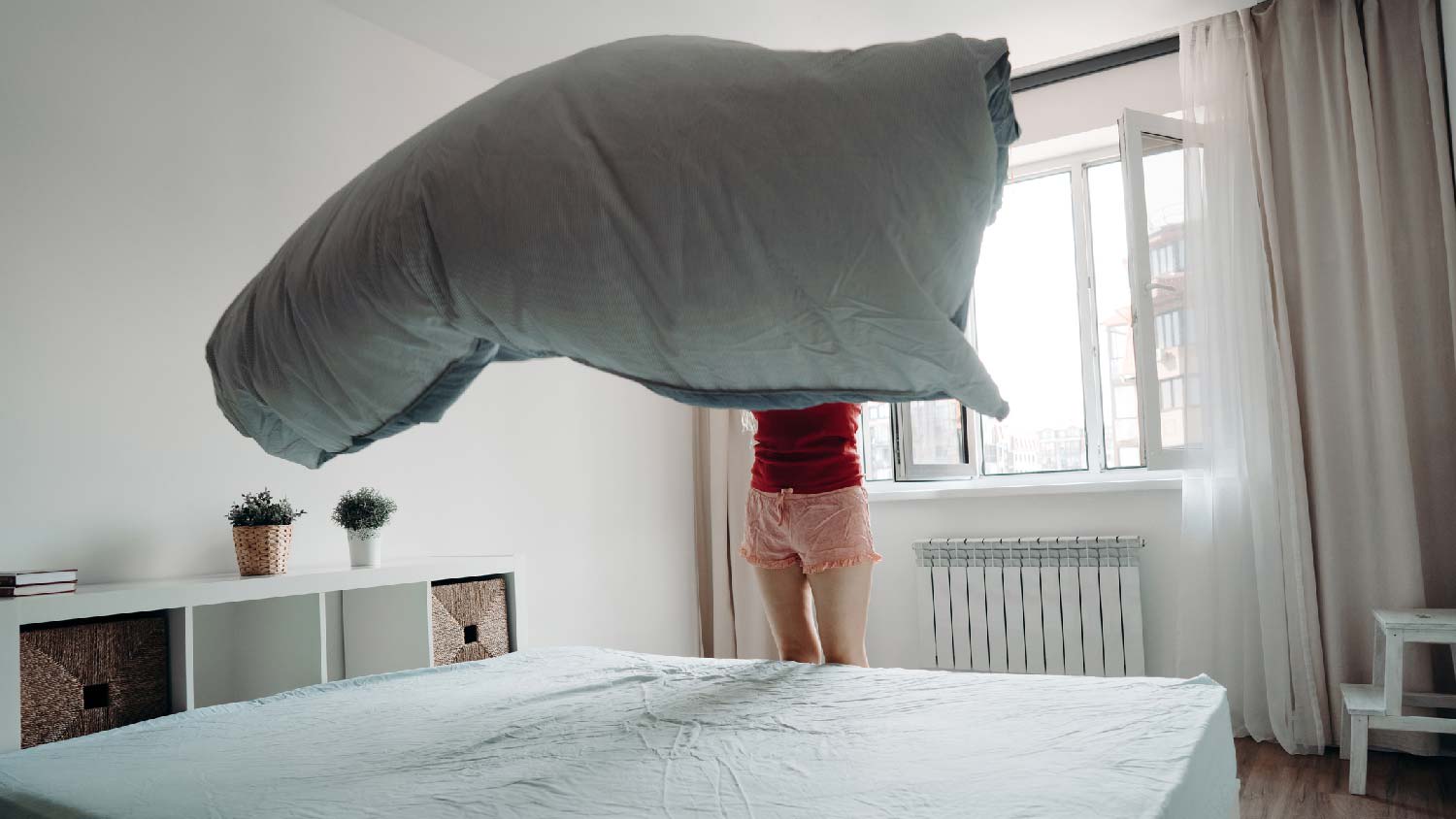
The Britton, SD homeowners’ guide to mattress cleaning services
From average costs to expert advice, get all the answers you need to get your job done.
Mattress cleaning cost depends on the number of mattresses being cleaned and the size of each. Use this guide to better understand mattress cleaning prices.
Mattresses are considered hazardous waste, so you’ll likely have to pay disposal fees. Use this guide on mattress removal costs to see what your total will be.
Cleaning pee out of a mattress might seem like a daunting task, but you can clean up and get rid of the lingering odor with household items you already have.