

Top-rated paving pros.

Get matched with top paving pros in Pineland, SC

Enter your zip and get matched with up to 5 pros

Need a pro for your paving service project in Pineland, SC?

Select your specific project to find the pro for you.

Find Paving pros in Pineland

Avatar for Father Nature
Father Nature
New to Angi
Interlocking Pavers for Patios, Walks & Steps - Install

Serving Pineland, SC and surrounding areas

Approved

In business since 2017

Small jobs welcome

Credit card accepted

We take great pride in our experience, expertise, quality, and customer service that we provide to meet the consumer's needs. It is our mission to provide excellent workmanship and complete customer satisfaction from start to completion of a project. In order to understand the needs and expectations of our customers, we take great care to work and communicate with every customer in a professional manner. Our reputation is based on service, safety, and quality, regardless of how large or small the job.\n

Outdoor Landscaping
Plants
Maintenance
Tree removals
Response time2 days
4 neighbors recently requested a quote
...
Showing 1-10 of 56
Paving Services questions, answered by experts

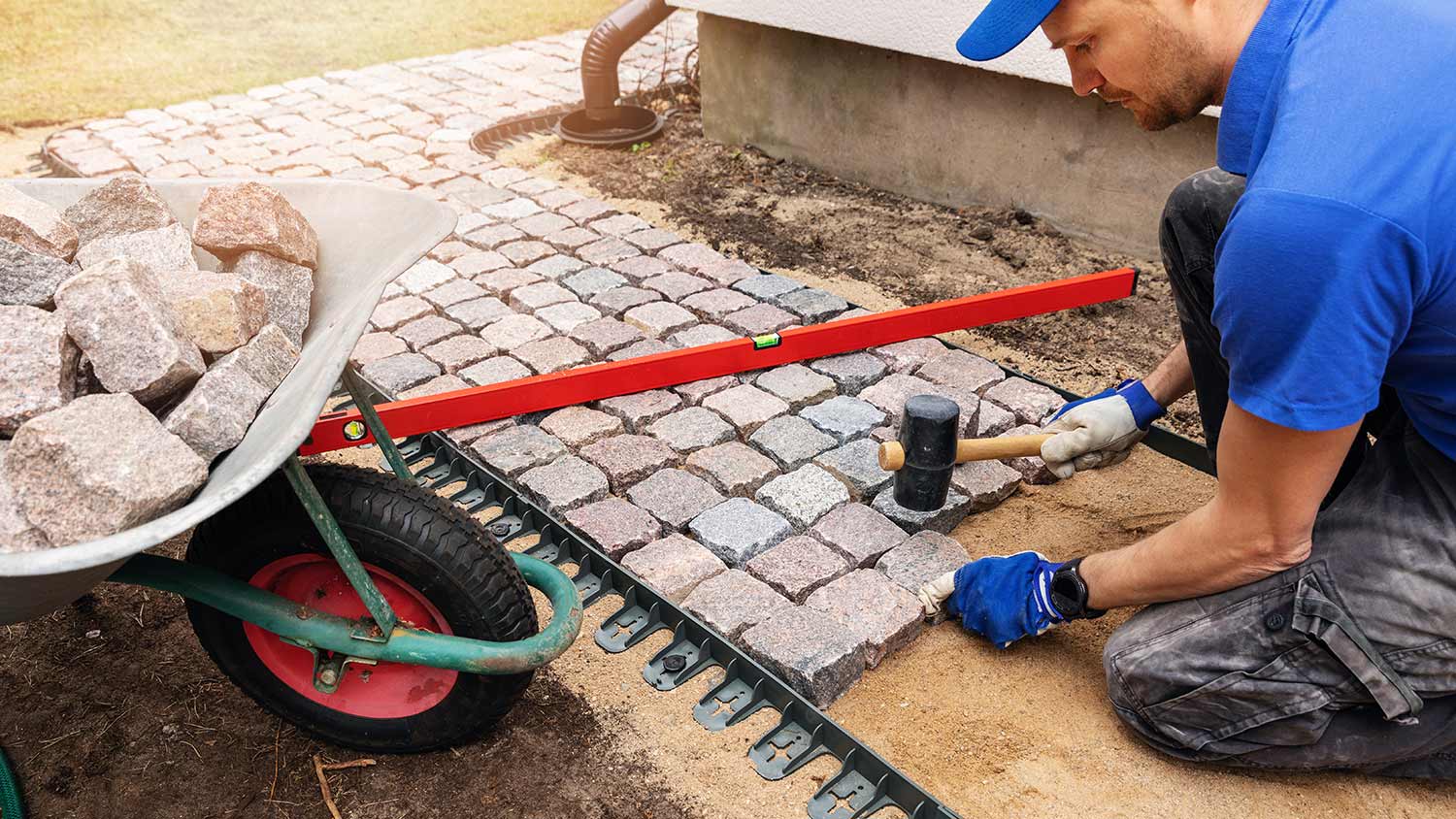
The most common causes of sunken pavers are poor base preparation and insufficient compaction. The problem could also be how your pavers were installed. If the soil beneath your patio or walkway wasn't compacted, it will pull pavers down as it settles. Additionally, using bare soil instead of making a paver bed with compacted gravel and sand can cause sinking over time. To fix sunken pavers, consider recompacting the base and addressing any drainage or erosion issues in the area.
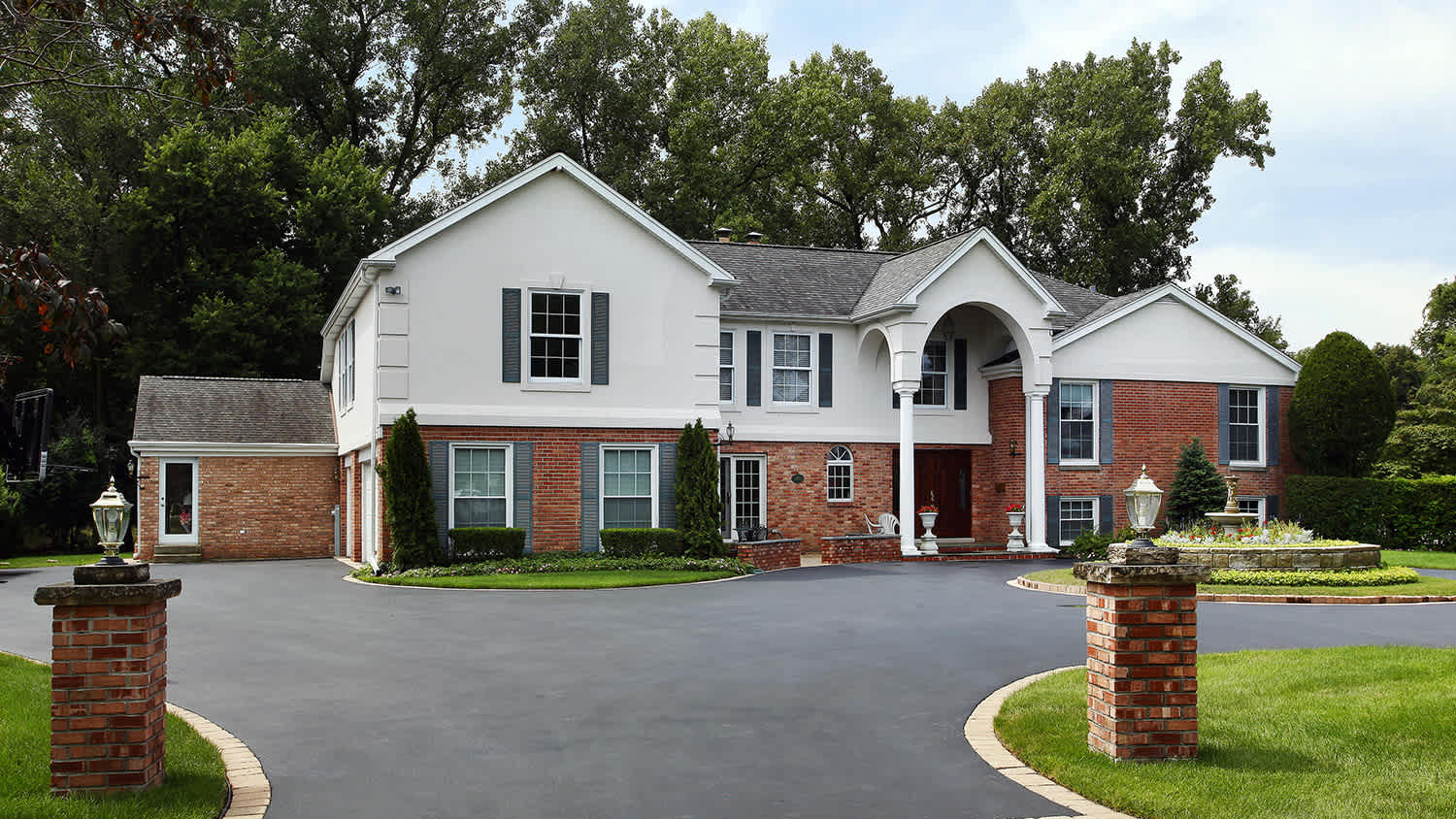
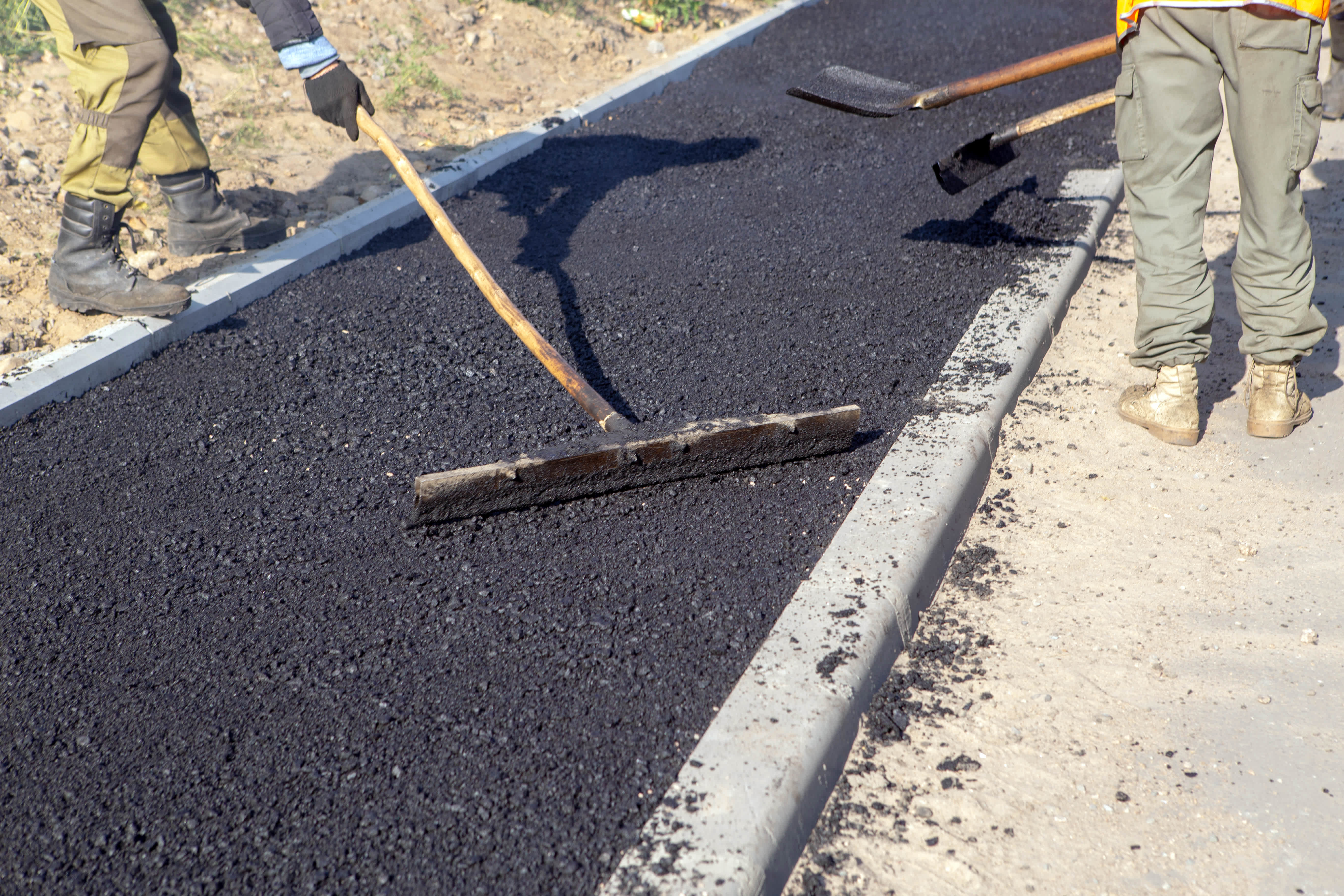
If you notice minor cosmetic problems with your driveway, you should seal it. Look out for cracks and holes on the surface, faded asphalt or concrete, and stains from oil and other chemicals. Replacing your driveway may be necessary if you’re dealing with significant problems—¼-inch cracks, large potholes, and puddles from drainage issues. The cost to install an asphalt driveway typically ranges between $4,200 and $9,000, significantly more than resealing. Consider talking to a professional to discuss whether resurfacing your driveway—a midway project between resealing and replacing—is a better option for you.

Asphalt and tarmac are not the same thing. Traditional tarmac, short for tarmacadam, uses tar as a binder to hold crushed stone together. Asphalt uses bitumen—a byproduct of crude oil—to bind aggregate. Though tarmac was once a go-to for roads, asphalt has become the modern standard. And these days, most surfaces referred to as “tarmac” are actually asphalt. So, while the names may overlap, the key distinction lies in the binder—tar for tarmac and bitumen for asphalt.

The answer to whether or not you need to get a permit before you start your driveway can vary widely based on local ordinances and the scope of your driveway ideas. In most urban and suburban areas, a permit is needed before building a new driveway to ensure that a homeowner is using safe materials and proper drainage practices while designing and constructing a new driveway. In some rural areas, a homeowner may not be required to apply for a permit. When building a new driveway on your own, always check with your local building department to see if you need to request a permit. When hiring a driveway contractor, verify that the right permits are being used before driveway construction begins.

Yes, recycled asphalt driveway costs can be substantially lower than new asphalt. With new asphalt costing between $90 and $190 per ton, this option can cost as much as 10 times more than laying down asphalt millings.

The Pineland, SC homeowners’ guide to paving services

From average costs to expert advice, get all the answers you need to get your job done.