





Get matched with top lead testing and removal specialists in North, SC
Top-rated lead testing and removal specialists.

Need a pro for your lead testing and removal project in North, SC?

Select your specific project to find the pro for you.

Find Lead testing and removal specialists in North

3 C'S Southeast Abatement Services, LLC
4.0(
2
)

Serving North, SC and surrounding areas

Approved

In business since 2012

Free estimates

"I would recommend this company for asbestos abatement. I was very grateful that they were able to help me in such short notice to remove the asbestos when another company did not show. I thought their price was pretty fair and was told by the mold testing company that they do good work. I would not hire this company to do anything else. I was in a bind and got a quote on what it would be to mud and paint the ceiling and paint the house. I was very very unhappy with the quality of the work of the painters he hired. I feel I should have been deeply reimbursed or discounted because the paint job was so bad. They got plaster everywhere on my kitchen cabinets and are unable to remove it so I must just look at it. They did not replace some of my lights and there are cracks in the seems and every worker I have comments on how bad the paint job is. Very dissapointed that I spent so much money for that. They came out to try and fix it and it was not even fixed. Maybe a little better on the ceilings. It was extremely hard to get the electrician that I hired through them to come up and finish the job here in Charleston. I believe he lived a few hours away and everything was just a headache. He was unable to find a certain part and I ended up having to research and find it online. We lost at least a week while he was looking for that."
Recommended by100%of homeowners
Lead Testing and Removal questions, answered by experts

According to the Environmental Protection Agency (EPA), hazardous waste is generally classified into four main categories:

1. Characteristic Wastes: These exhibit at least one of four hazardous traits: ignitability (flammable, like gasoline), corrosivity (can rust or decompose materials, like car batteries), reactivity (unstable and can explode, like aerosol cans), or toxicity (harmful when ingested, like lead-based paint).

2. Listed Wastes: These are specific wastes from manufacturing and industrial processes that the EPA has officially designated as hazardous. They include byproducts from processes that use solvents, pesticides, and other chemicals.

3. Universal Wastes: These are commonly generated hazardous items that are subject to streamlined regulations. Examples include batteries, pesticides, mercury-containing equipment (e.g., bulbs), and some lamps.

4. Mixed Wastes: This category includes waste that contains both hazardous and radioactive components, making it subject to regulation by both the EPA and the Nuclear Regulatory Commission.

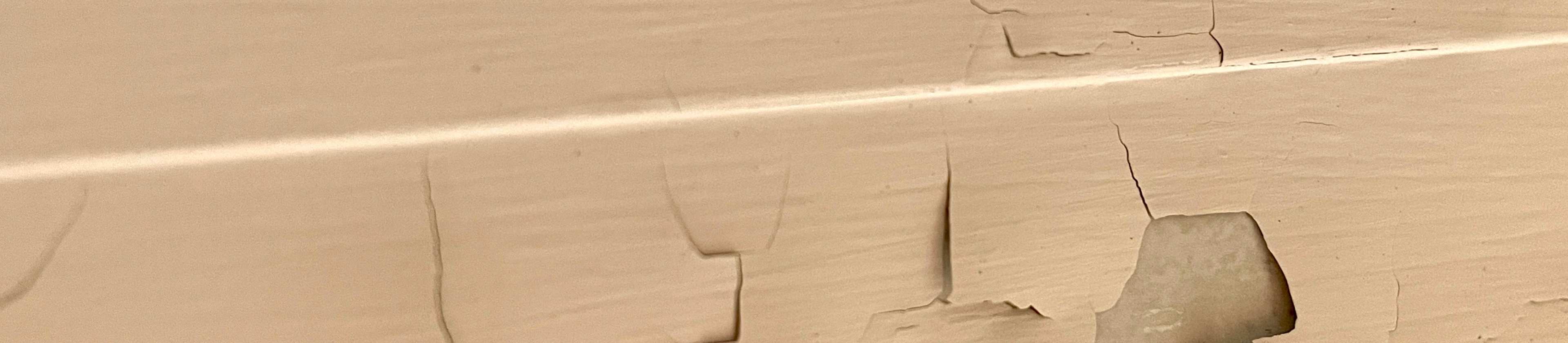
If your house was built before 1978 and you’re noticing cracking or peeling paint, a lead paint inspection is a good idea. A lead paint inspection gives you accurate information about the presence, location, and condition of lead-based paint in your home. This information is essential for making informed decisions about lead paint removal to ensure your safety and health and that of your family. If your inspector finds lead, you’ll need to take steps to manage or remove the lead-based paint and comply with laws and regulations.

You should ask a few questions to ensure that your potential lead removal professional is experienced and qualified to handle lead-paint abatement safely, legally, and properly.

  • What are your qualifications and experience removing lead-based paint?

  • Are you licensed and certified to remove lead-based paint?

  • How do you test for lead paint?

  • What methods do you use for lead-based paint abatement?

  • What do you plan to do with the hazardous material when you remove it from the home?

  • Do you do replacement and painting work or removal only?

Through air sampling devices and surface swabs in key areas of concern.

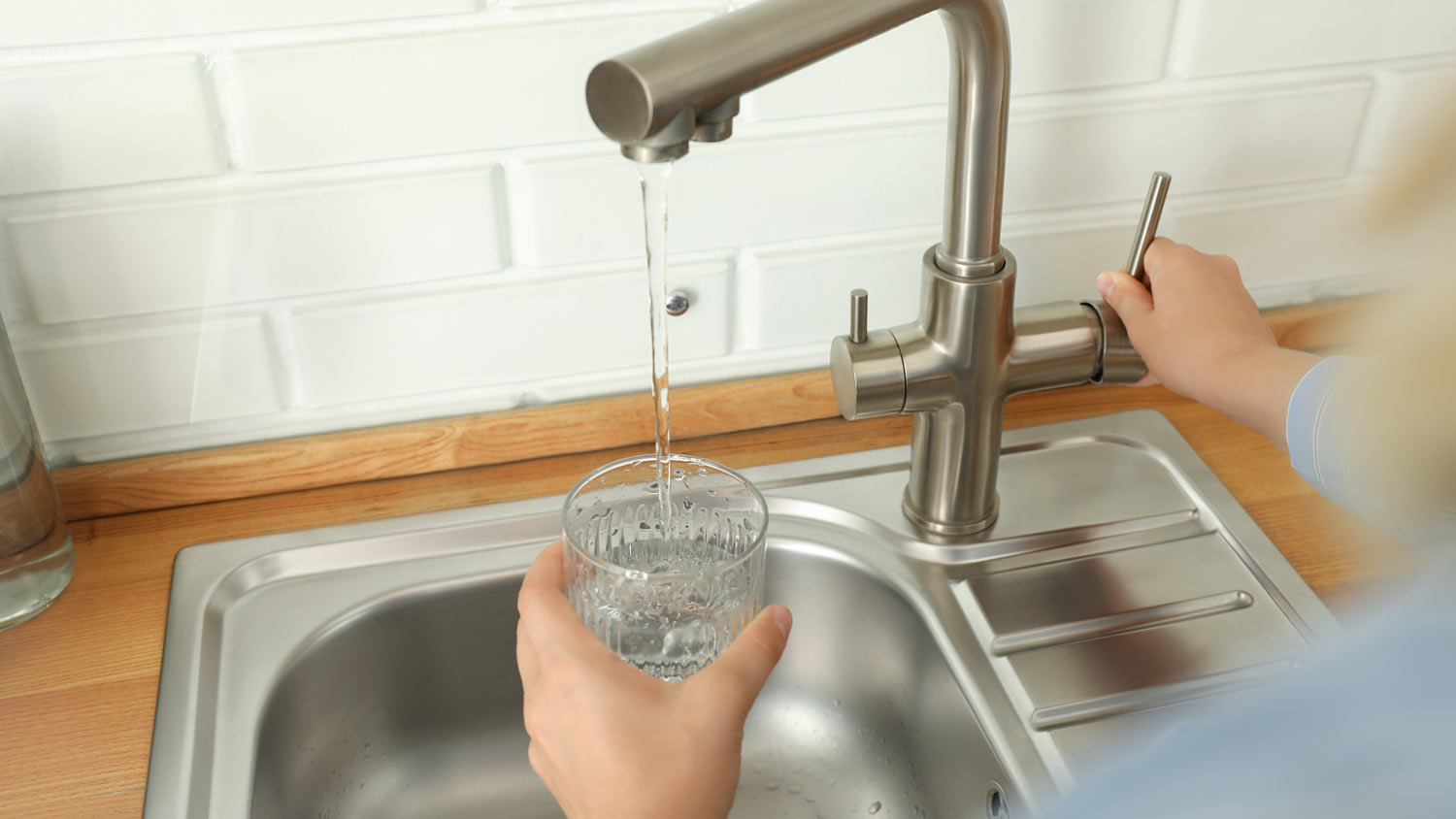
How you test for lead in your water depends on the source of your home's water supply. If you have municipal water, your local water system may offer to test the water for free or may connect you to a lab that will perform the testing.

If you have a private well that provides drinking water, you are responsible for testing it for lead. Look for a lab that is accredited by your state's Department of Environmental Protection to perform the test.

The North, SC homeowners’ guide to lead testing and removal services

From average costs to expert advice, get all the answers you need to get your job done.