






Top-rated deck staining pros.

Get matched with top deck staining pros in Eutawville, SC

Enter your zip and get matched with up to 5 pros

Need a pro for your deck staining project in Eutawville, SC?

Select your specific project to find the pro for you.

Find Deck staining pros in Eutawville

Avatar for Mike's Painting & Pressure Washing
Mike's Painting & Pressure Washing
4.7(
28
)
Exterior Home or Structure - Paint or StainExterior Home or Structure - Paint or Stain: LargeExterior Home or Structure - Paint or Stain: Medium

Serving Eutawville, SC and surrounding areas

In business since 1996

Emergency services offered

Credit card accepted

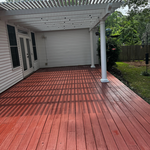
"I would highly recommend this business.  We had them come and restain the deck and at first just powerwash the house.  They scheduled the work right away.  After doing the pressure washing, there were some areas with paint chips under the soffit.  Mike offered to repaint those for free.  During this, they noticed areas of the soffit that were rotten, so we had them repair those areas of the wood.  They also fixed a few screens that were damaged during the pressure washing for free.  
Everything turned out great, and we are very happy we had this work done.  Mike and Crystal are very professional and easy to work with.  I will be having them do some more work on our house in the near future.
"
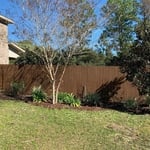
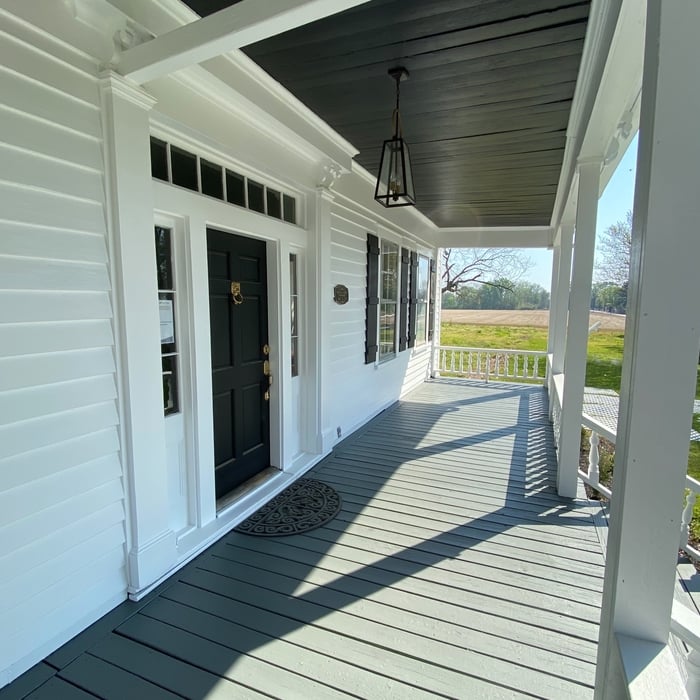
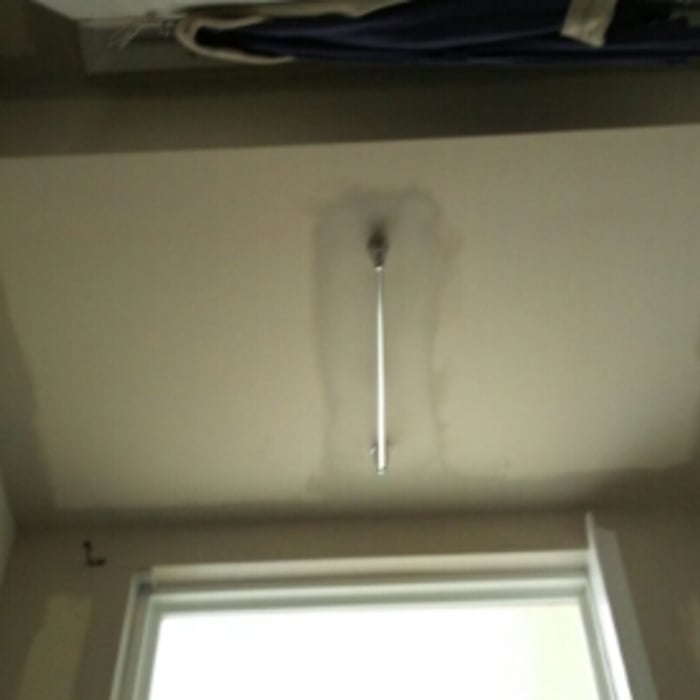
Additional Photos
Additional Photos
Additional Photos
Additional Photos
Additional Photos

+161

Recommended by91%of homeowners
...
Showing 1-10 of 71
Deck Staining questions, answered by experts

Ideally, it's best to stain your dock once per year. Applying stain doesn't just keep it looking nice and new; it also helps extend the dock’s lifespan. Since you want to ensure water levels are at their lowest, it's best to have this project done by a professional dock repair service in the cooler autumn or early winter months. 

Wet-sanding and dry-sanding each have pros and cons. Dry-sanding is less messy, so it’s a good option if you’re trying to minimize dust (for example, if you’re sanding an occupied home or working with particularly dry or dusty drywall mud). However, dry-sanding is quicker because you don’t have to keep rinsing a sponge or wait for it to dry before painting.

Limewash and whitewash are two techniques used to give brick a light, matte finish, but they differ in composition, application, and permanence. The best choice depends on your aesthetic goals and the specific surface.

Composition

  • Limewash: A natural and environmentally friendly option made from limestone, water, and sometimes pigments. It is breathable and soaks into porous surfaces like brick.

  • Whitewash: Traditionally made from lime, water, chalk, and binders, but a similar look can be achieved with watered-down white paint. It is paint-based and sits on top of the surface.

Appearance and Finish

  • Limewash: Provides a natural, textured appearance that allows the brick's character to show through. It offers a more traditional finish.

  • Whitewash: Creates a softer, more opaque finish, often used for a rustic or shabby-chic style.

Application and Permanence

  • Limewash: Is semi-permanent and can be removed, making it a good choice if you might want to change the look in the future. It requires more skill to apply and cannot be used on previously painted brick.

  • Whitewash: Is a more permanent solution. It is more forgiving to apply and can be used on painted brick. However, because it sits on the surface, it can trap moisture.

Ultimately, if you want a breathable, natural, and reversible finish for unpainted brick, limewash is a great option. If you need a more permanent, opaque coating that can be applied over painted surfaces, whitewash is the better choice. Whitewashing may also be more economical, costing approximately $1.40 to $4.20 per square foot.

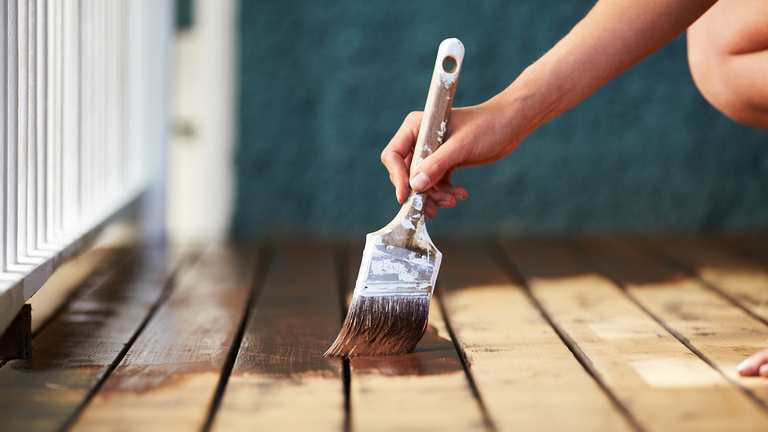
Your tool of choice ultimately comes down to personal preference. Many DIYers prefer applying stain with a lint-free rag, but others stick with a paint brush or a roller. Wipe the stain and work it into the wood, working with and against the grain. If you’re applying multiple coats, allow the stain to dry for around four hours between coats.

Yes, beginners can use a paint sprayer, but there is a learning curve. It's important to go slowly, read the instructions thoroughly, and spend some time learning the technique. Watching tutorial videos for your specific paint sprayer model can be very helpful. Before starting your main project, practice on a scrap surface to get used to the sprayer and avoid common issues like overspraying, which can cause drips, bubbles, and other imperfections. For safety, always wear a mask and gloves, and be careful not to touch the sprayer's tip when it's in use, particularly with high-powered airless sprayers.

The Eutawville, SC homeowners’ guide to deck staining services

From average costs to expert advice, get all the answers you need to get your job done.