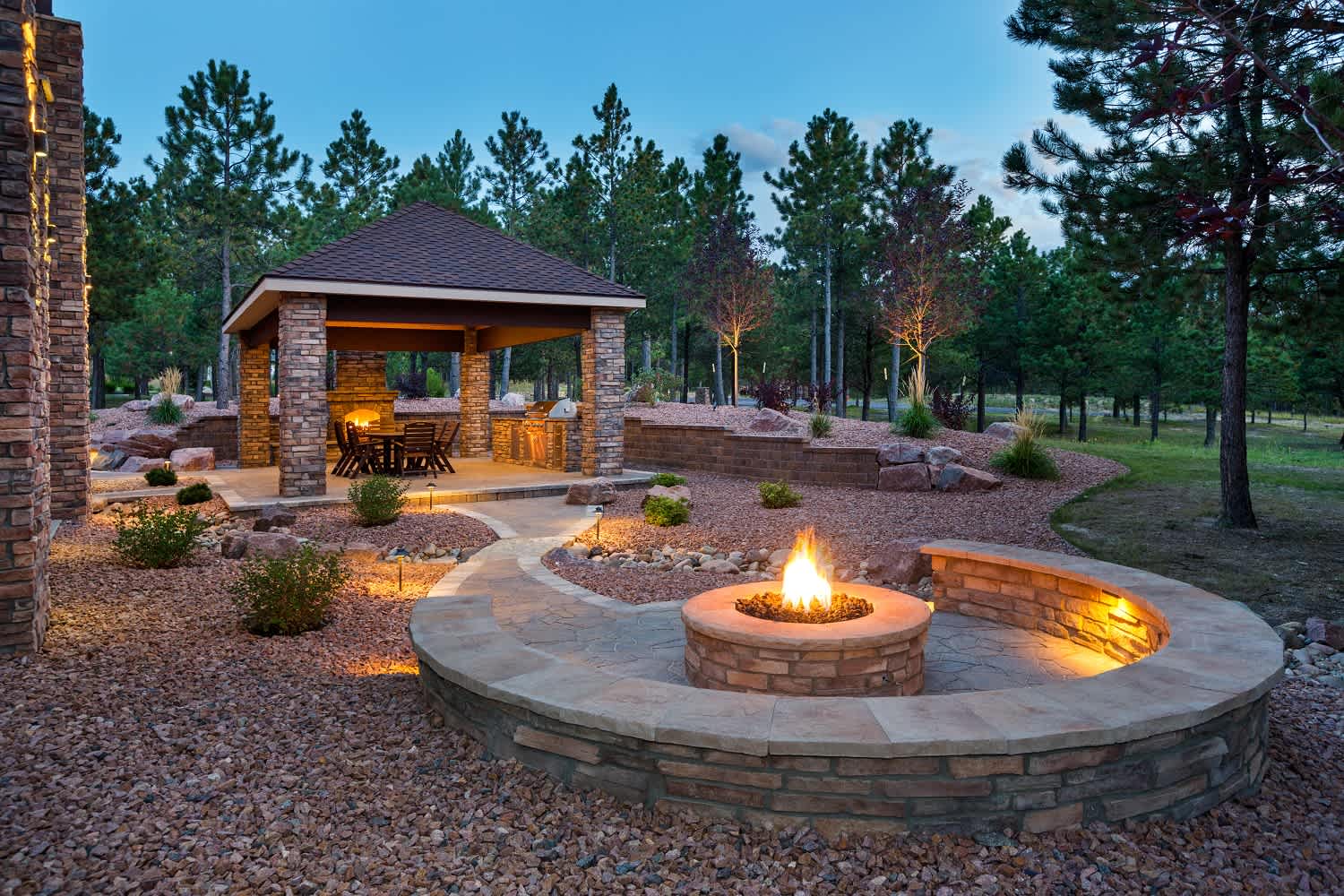







Top-rated fire pit installation pros.

Get matched with top fire pit installation pros in Coward, SC

Enter your zip and get matched with up to 5 pros

Need a pro for your fire pit installation project in Coward, SC?

Select your specific project to find the pro for you.

TRUSTED BY COWARD, SC HOMEOWNERS

  • Average homeowner rating star icon4.5
    Average homeowner rating
  • Verified reviews icon161
    Verified fire pit installation services reviews

Find Fire pit installation pros in Coward

Ccs handyman
New to Angi
Handyman for Multiple Small Projects

Serving Coward, SC and surrounding areas

Approved

Free estimates

My names Cayden Shadoan, I’m 23 years old. I have a beautiful wife and daughter. I have a full time job as a pipe welder in Sumter South Carolina. I’m on here just looking to pick up a couple extra jobs here and there in hopes of starting my own business one day to be able to stay home with my family more. I can do pretty much anything that needs done in or around your house. Specializing in building fences or repairing fences, any kind of piping jobs, or any welding. Thank you for considering me to help you get what you need done. Hope to see you soon.

...
Showing 1-10 of 79
Fire Pit Installation questions, answered by experts

Disposable fire extinguishers are good for anywhere from 10 to 12 years, but check the documentation that accompanied your specific model to make sure. Additionally, there are rechargeable models out there that last 12 to 20 years, but they require a professional inspection every six years.

If you plan to put a fire pit on a grassy area, be sure to put compacted paver sand down first to help level out the ground and add better heat protection. If you’re placing a fire pit on hardscaping, like a concrete patio, consider placing a fire pit mat down first. This can add more protection from the heat and also protect the look of your hardscaping if you choose to remove the fire pit in the future.

You should only use water to put out a fire in your fireplace in an emergency situation. Even then, it is better to use a fire extinguisher to put out a fire quickly. Make sure every room in your house that has a fireplace also has a fire extinguisher—and that everyone in your household knows how to use one.

Generally, an oil furnace is considered safer than a gas furnace for several reasons. While both types of furnaces can produce carbon monoxide, a leak in an oil furnace is easier to detect due to the smell. Oil furnaces also don't connect to a gas pipeline, which reduces the chance of a fuel leak. Most importantly, heating oil is not combustible, whereas natural gas is highly flammable. This means there is a much lower risk of combustion or explosion with an oil furnace. However, an oil furnace can still pose a fire hazard if it tips over.

A chimney requires both a cover and a cap, but these parts often get confused with one another. A chimney cover seals the top of the chimney around the flue pipe to prevent water from entering the chimney. A chimney cap is a piece that sits above the flue to prevent animals, debris, and water from entering the flue.

The Coward, SC homeowners’ guide to fire pit installation services

From average costs to expert advice, get all the answers you need to get your job done.