







Top-rated generator install pros.

Get matched with top generator install pros in Kingston, RI

Enter your zip and get matched with up to 5 pros

Need a pro for your generator install project in Kingston, RI?

Select your specific project to find the pro for you.

TRUSTED BY KINGSTON, RI HOMEOWNERS

  • Average homeowner rating star icon4.6
    Average homeowner rating
  • Verified reviews icon17
    Verified generator installs reviews

Find Generator install pros in Kingston

Avatar for Champion Electrical Services Inc
Champion Electrical Services Inc
5.0(
54
)
Fixed Generator - InstallFixed Generator - RepairPortable Generator - Repair+2 more

Serving Kingston, RI and surrounding areas

Approved

In business since 2025

Free estimates

Emergency services offered

At Champion Electrical Services, we believe homeowners deserve better. No more no-shows, rushed work, or upsells you don't need. We built this company to do things right - with respect, craftsmanship, and pride. Every project is treated like it's being done in our own home: clean, code-compliant, and built to last. Whether you need a panel upgrade, EV charger, generator, or quick repair, we show up when it counts and earn your trust every time. \nLicensed, insured, and proudly serving MA & RI. \nWhen the lights go out, don't call just anyone. Call the Champ.\n\n(774) 331-3500 \nCalltheChamp.com \[email protected]

My jobs
My jobs
My jobs
My jobs
My jobs

+17

257 neighbors recently requested a quote
Showing 1-10 of 47
Generator Install questions, answered by experts

You may need a permit for a portable generator if you’ll be installing a transfer switch for your primary residence or similar work. Otherwise, a permit for other uses may not be necessary. Check your local building codes or ask a local generator installer for more information about your local regulations.

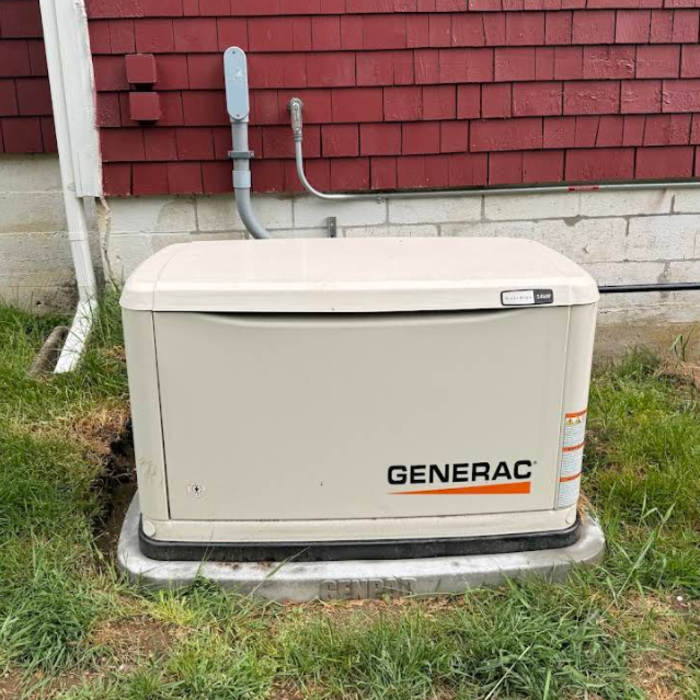
Whole-house generators need to be installed on level ground several feet away from walls and other objects. Because they tap into the electrical system directly, they usually need to be close to your home electrical panel for a transfer switch installation. It also helps with installation if they are near to a gas line or propane tank installation.

A portable generator can supply power to selected appliances and circuits in a home, but it's generally not designed to handle the entire household's electrical needs simultaneously. Portable generators have limited wattage capacity, so they are only designed to power essential devices and electronics temporarily until local power is restored. If your power needs outweigh the capabilities of a portable generator, consider installing a whole-home generator instead.

While standby generators provide essential backup power, they can fail when you need them most due to lack of maintenance, fuel supply issues, dead batteries, electrical problems, or improper installation. To avoid costly failures, professional installation and regular maintenance are crucial. Licensed technicians ensure safety, uphold warranty requirements, comply with regulations, and provide expert servicing.

To determine the right size generator for your house, you should calculate the total wattage of the appliances and devices you want to power during an outage. List all essential items, note their start-up wattages, and add them together.

Here are some typical wattage requirements for common appliances:

  • Refrigerator: 600 watts

  • Large dehumidifier: 700 watts

  • Large window air conditioner: 1,400 watts

  • Water heater: 3,000 to 4,500 watts

  • Electric furnace: 5,000 to 25,000 watts

A 7,500-watt generator might be sufficient for essentials like a refrigerator, freezer, well pump, and lighting circuits. However, for high-demand items like a water heater or furnace, a whole-home generator is a better choice. A portable generator may be enough if you only need to power a few critical items.

While home square footage can offer a rough estimate, it is not always a reliable indicator. For reference, here are some typical generator sizes based on square footage:

  • 1,000 sq ft: 6–9 kW

  • 1,500 sq ft: 7–10 kW

  • 2,000 sq ft: 10–14 kW

  • 2,500 sq ft: 12–16 kW

  • 3,000 sq ft: 16–20 kW+

For the most accurate sizing, consult a professional who can calculate your home's peak and average power consumption and recommend the optimal generator.

The Kingston, RI homeowners’ guide to generator installs

From average costs to expert advice, get all the answers you need to get your job done.