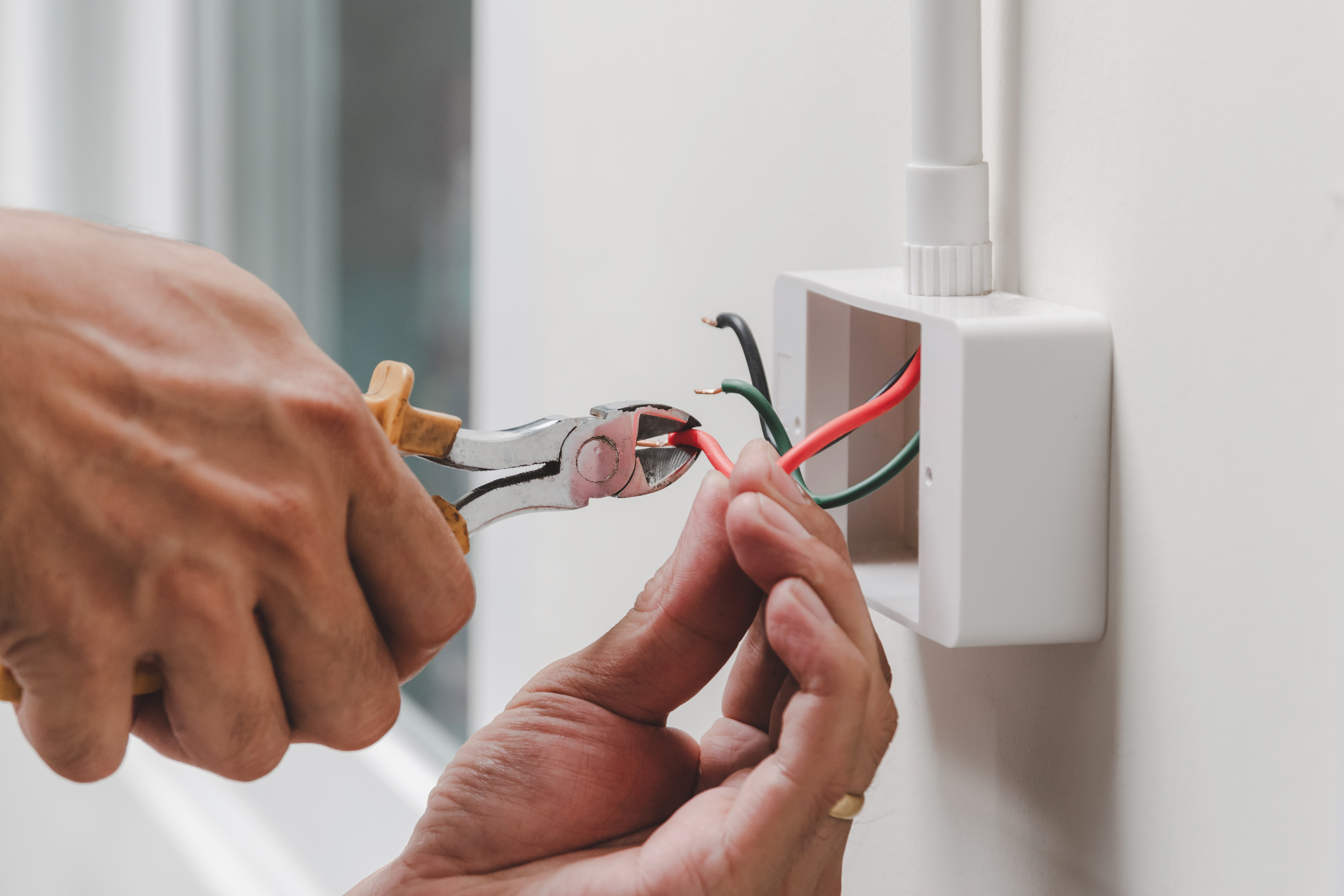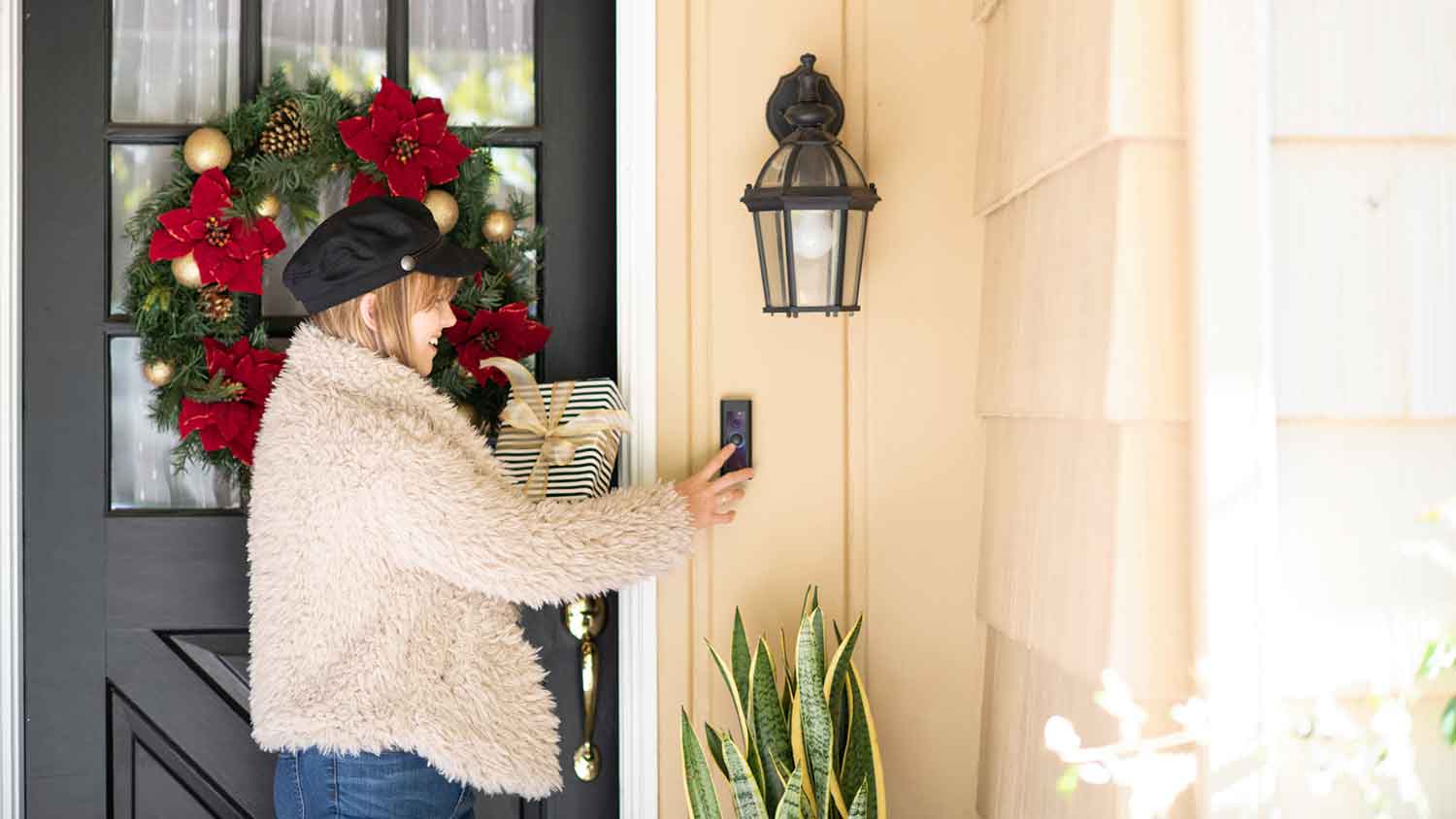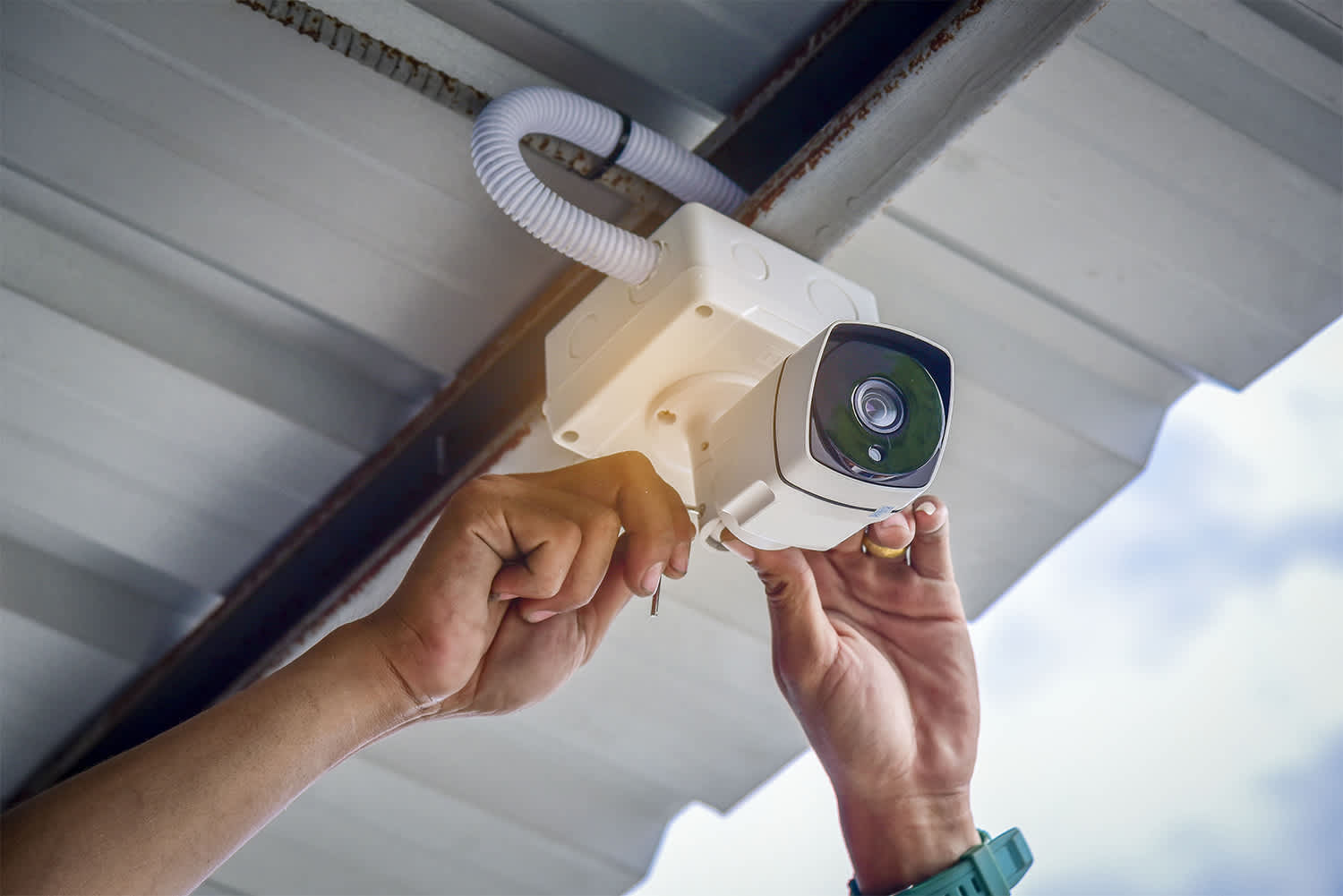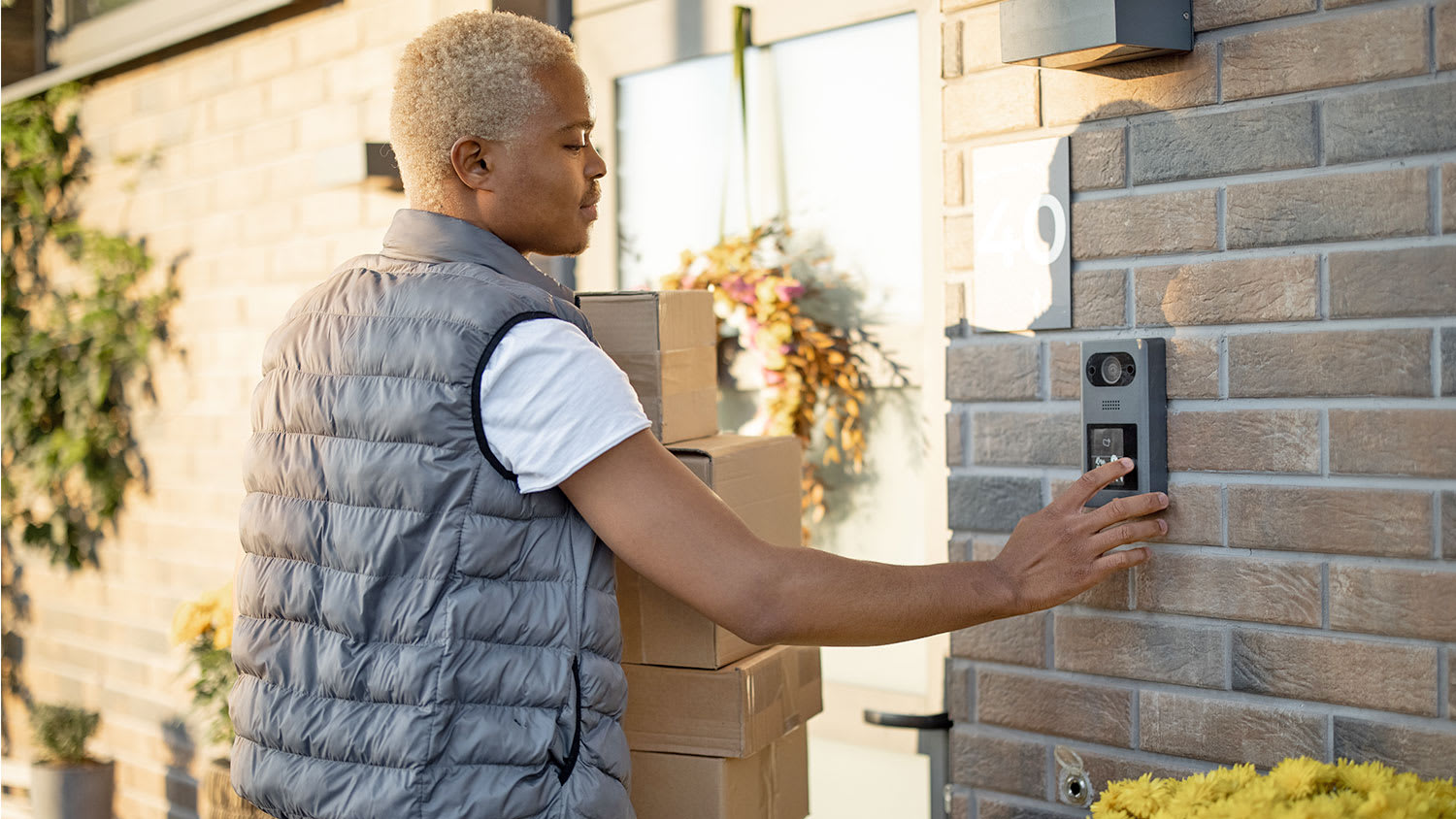

Top-rated doorbell installation pros.

Get matched with top doorbell installation pros in Greene, RI

Enter your zip and get matched with up to 5 pros

Need a pro for your doorbell installation project in Greene, RI?

Select your specific project to find the pro for you.

TRUSTED BY GREENE, RI HOMEOWNERS

  • Average homeowner rating star icon4.5
    Average homeowner rating
  • Verified reviews icon376
    Verified doorbell installation services reviews

Find Doorbell installation pros in Greene

No results for Doorbell installation pro in

Try adjusting your search criteria.
Doorbell Installation questions, answered by experts

On average, insulating an attic costs about $2,500, with a typical range of $1,500 to $3,500. The final price often depends on the attic's size, with costs generally falling between $1 to $3 per square foot. For example, insulating a 1,800-square-foot attic would likely cost between $1,800 and $5,400.

If the project involves removing old insulation, this can add an average of $900 to the total cost, bringing a full removal and reinsulation project to around $3,000.

Several factors influence the overall cost:

  • Insulation Type: Prices per square foot vary significantly by material.

  • Reflective: $0.50–$1.50

  • Blown-in: $1–$4

  • Batt: $2–$4

  • Loose-fill: $2–$5

  • Spray foam: $2–$5

  • Structural insulated panels (SIPs): $4–$7

  • Project Complexity: Factors like sealing air leaks, poor attic accessibility, and required inspections can add to the cost.

  • Removal Issues: The discovery of mold, asbestos, or pests during the removal of old insulation can substantially increase the price.

The cost to install a radiant barrier ranges from $700 to $2,800, depending on the size of your roof and the type you choose. Most people pay an average of $1,700 to install a radiant barrier. Foil options, both single- and double-sided, cost between $0.10 and $0.90 per square foot, while spray-on options start at $0.60 and go all the way up to $1 per square foot—which can add up quickly.

Each of the three types of wool insulation has particular disadvantages. While their R-value is higher, they all cost more than fiberglass versions. Installing mineral wool and sheep wool requires protective gear. Because of its vulnerability to insects, chemicals are used in its production. Hemp wool is more costly to install than other types because additional tools and labor are involved.

Your home's location, budget, and the type of insulation you’re using are just a few of the factors that can help you choose the right insulation. For example, blown-in insulation is typically used in attic spaces, while batts and rolls are ideal for floors and walls. Blown-in insulation is usually a good option if you're adding more insulation to an area that already has some, but not enough.

When it comes to fiberglass insulation versus foam board, there are a few notable differences, both aesthetically and functionally. Fiberglass insulation is soft and flexible, meaning it can be squeezed into tight spaces more easily than foam board. Fiberglass insulation also has a higher R-value, making it a better pick for colder climates. However, foam board insulation can resist moisture and pest damage much better than fiberglass.

The Greene, RI homeowners’ guide to doorbell installation services

From average costs to expert advice, get all the answers you need to get your job done.