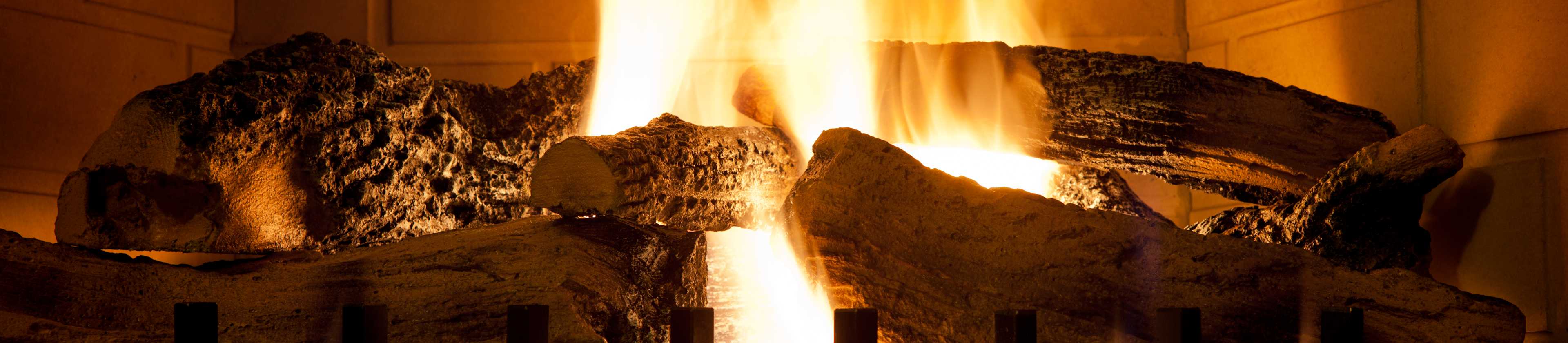






Top-rated fire pit installation pros.

Get matched with top fire pit installation pros in Williamsburg, PA

Enter your zip and get matched with up to 5 pros

Need a pro for your fire pit installation project in Williamsburg, PA?

Select your specific project to find the pro for you.

TRUSTED BY WILLIAMSBURG, PA HOMEOWNERS

  • Average homeowner rating star icon4.1
    Average homeowner rating
  • Verified reviews icon39
    Verified fire pit installation services reviews

Find Fire pit installation pros in Williamsburg

Avatar for Hello Handyman, LLC
Hello Handyman, LLC
4.6(
28
)
Handyman for Multiple Small Projects

Serving Williamsburg, PA and surrounding areas

Approved

In business since 2016

Free estimates

Warranties offered

"Jim & Brian did a beautiful job on my home. They were fast, efficient, and thorough. They were here on time every morning. They helped me choose the color of paint and it was the perfect color. Several of my neighbors gave me compliments about how good and professional they were. I would hire them again in a heartbeat."
Painting and Insulated Glass Replacement
Laminate Stair Tread
Mary C. Bathroom
Painting and Insulated Glass Replacement
Laminate Stair Tread

+51

Response time8 hrs
Response rate87%
Recommended by95%of homeowners

Showing 1-10 of 43
Fire Pit Installation questions, answered by experts

A smoke alarm that beeps periodically, often every 30 to 60 seconds, usually indicates a low battery. The first step is to replace the battery. If this doesn't solve the problem, try resetting the alarm. However, beeping can also signal other issues, such as dust buildup in the sensors or the unit reaching the end of its life. Different beep patterns can mean different things; for example, multiple beeps might indicate an issue with a combination carbon monoxide detector, while a continuous, loud alarm means smoke has been detected. If a new battery doesn't stop the beeping, it's best to consult your alarm's manual, call a professional, or replace the unit.

Generally, an oil furnace is considered safer than a gas furnace for several reasons. While both types of furnaces can produce carbon monoxide, a leak in an oil furnace is easier to detect due to the smell. Oil furnaces also don't connect to a gas pipeline, which reduces the chance of a fuel leak. Most importantly, heating oil is not combustible, whereas natural gas is highly flammable. This means there is a much lower risk of combustion or explosion with an oil furnace. However, an oil furnace can still pose a fire hazard if it tips over.

You can relight a pilot light by yourself, but it’s not always the safest choice to do so. While the job is straightforward, a small mistake could end in a gas leak, fire, or explosion. That’s why we recommend everyone hire a pro for this job. Local furnace pros have lit dozens if not hundreds of pilot lights, and they’re well-versed and highly experienced in the proper safety protocols to keep you, your family, and your home safe while doing so.

You can fireproof an existing door to some extent, but it's better to remove the old door and replace it with a fire-rated model. Anything dealing with extreme heat needs rigorous testing and a door you DIY fireproof will not undergo the same safety measures as a premade one. Consider a door with a rating of at least 30 minutes or more in residential areas.

To prevent carbon monoxide poisoning on a propane heater, make sure that your heater is suitable for indoor use. When you run the heater, it should always be in a well-ventilated area with proper air circulation. Installing carbon monoxide detectors on every level of your home is also essential. If you have any questions about using a heater indoors, contact a local heating and oil company for more information.

The Williamsburg, PA homeowners’ guide to fire pit installation services

From average costs to expert advice, get all the answers you need to get your job done.