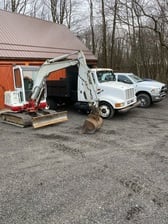
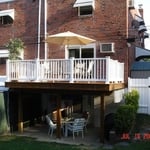
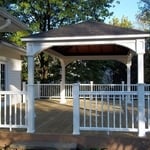
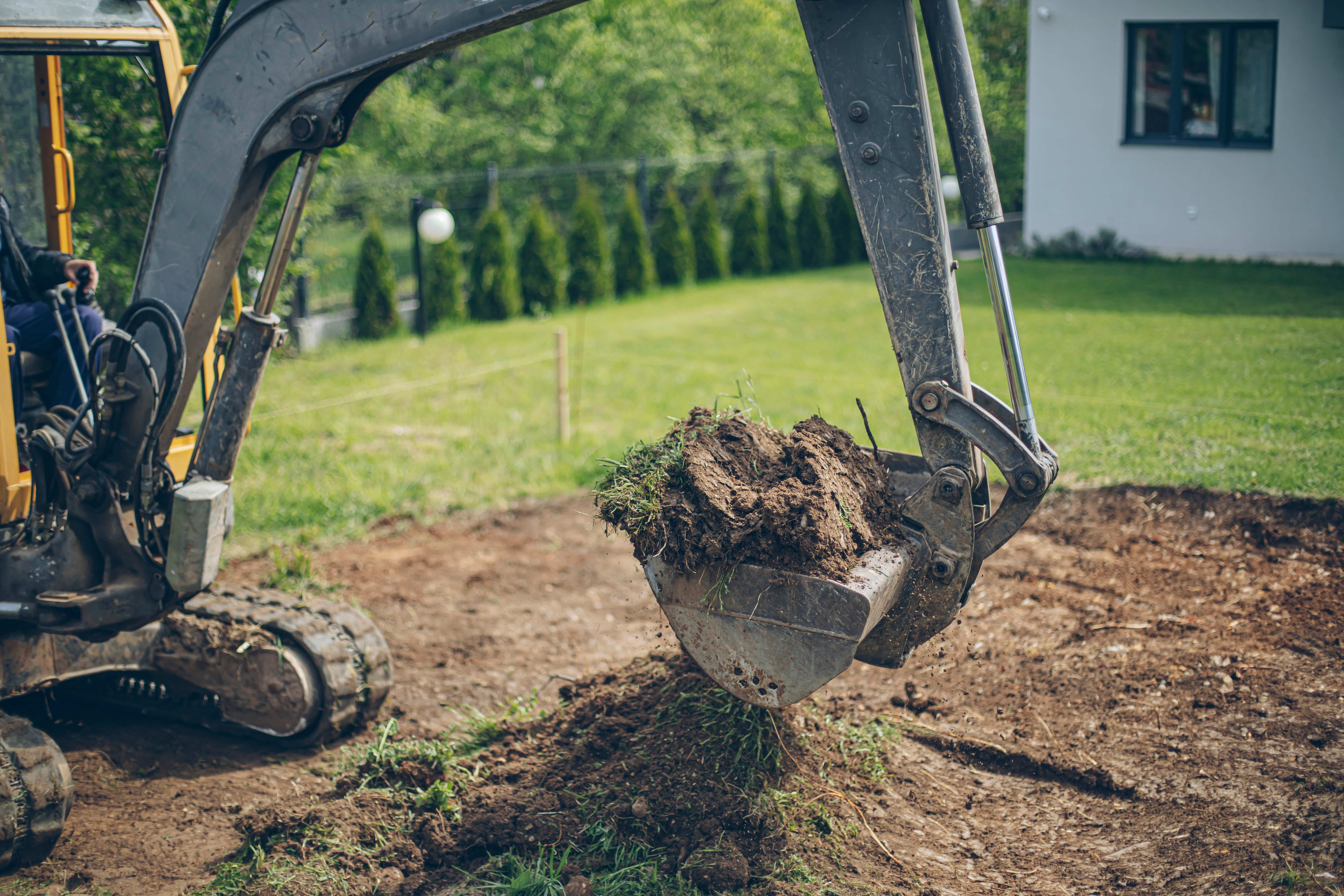
Moore Contracting, LLC, is dedicated to providing our clients with the very best in excavation and building site services. We have over 25 years of experience. We specialize in residential and commercial services and take pride in the attention to detail put into each of the projects we're involved with. We're known for our quality work and the integrity of our business. We look forward to building long-term relationships with our clients and guarantee your satisfaction.
We have the experience, and we are committed to providing quality workmanship and superior customer service on all our applications. We at Barber Excavating Services, LLC strive to maintain our reputation as a high quality, very service-oriented company with our main focus being customer satisfaction.
C&H Excavation Services, LLC is committed to excellence in every aspect of our business. We uphold a standard of integrity bound by fairness, honesty, and personal responsibility. Our distinction is the quality of service we bring to our customers. Accurate knowledge of our trade combined with ability is what makes us true professionals. Above all, we are watchful of our customers interests and make their concerns the basis of our business.
\n
\n
With over 20 years of experience, we are the experts you need for your home or business. We handle everything from land clearing to commercial paving. We will treat your home or business as we would treat our own. Give Deeters Farm Construction a call today, we look forward to working with you!
We take great pride in our experience, expertise, quality, and customer service that we provide to meet the consumer's needs. It is our mission to provide excellent workmanship and complete customer satisfaction from start to completion of a project. In order to understand the needs and expectations of our customers, we take great care to work and communicate with every customer in a professional manner. Our reputation is based on service, safety, and quality, regardless of how large or small the job.
\n
"We had a shed pad installed for our new shed. Bob really worked to make sure we understood the different types of pads we could get as well as the ground leveling process. He was the only contractor we talked to that put the pad in the ground (excavating some dirt) so that it didn't just sit on top. As an added bonus, he swiped away a patch of really thick ivy that we've been struggling with. When scheduling the pad, he did delay the installation due to weather issues, showing real concern that if we didn't delay at least a day, the installation would be less than the professional level he likes to leave with. I left for the morning to go to work and when I came home, the pad was ready for a shed. Bob shows a concern for his homeowner's well being in all matters and is very knowledgable. I fully recomend him to anyone seeking a similar install, and will consider Rock-a-fella's when ever I have a gravelly/patio/deck need in the future. "
DBA Inside Eco Inc. General Contractor. Over 15 Employees, 30 combined years of experience, check out our website and call for special promotions and discounts. Additional contact: Gino Nalashi.
Established in 1997, Ed Musgrave Excavating is committed to excellence and continues to be an outstanding business in the Union City area. Ed Musgrave Excavating prides itself on an outstanding record of quality service. Our longevity is a testament to the level of service and quality you'll get when you choose us for your excavating needs. We have a staff of highly talented and motivated individuals that are eager to help you with all of your needs. We are excited that you have expressed an interest in our services, and we look forward to working with you.
Timberline Excavation, LLC, is committed to excellence in every aspect of our business. We uphold a standard of integrity bound by fairness, honesty, and personal responsibility. Our dedication is the quality of service we bring to our customers. Accurate knowledge of our trade, combined with ability is what makes us true professionals. Above all, we are watchful of our customers' interests and make their concerns the basis of our business.
Almost any kind of home can have a wine cellar or cabinet installed. You’ll need an area where a concrete floor can be put in, along with the necessary insulation, climate control, and ventilation systems. If you think of yourself as an aspiring sommelier, an underground wine cellar may be ideal, but it will cost significantly more.
What you choose to install really depends on your budget and how many bottles you’re looking to store.
The average cost of excavation is approximately $3,200, with typical projects ranging from $500 to $15,000. Depending on the contractor, you may be charged between $50 and $200 per cubic yard or an hourly rate of $40 to $180 for an excavation specialist. The total cost is influenced by several factors, including the project size, the amount of soil to be removed, and the soil's condition. Hard soil, tree roots, or excessive rocks and clay can increase the price, potentially adding $200 to $1,200 to the final bill. Other factors that can drive up costs include the presence of nearby structures that complicate the work or tight spaces that require manual excavation instead of heavy machinery.
There are many ways to cut through roots when digging, especially if your trencher doesn’t seem to be removing the roots. First, use a shovel to expose the roots. Then, use gardening shears to clear out smaller roots or a reciprocating saw to remove larger plant roots. If you plan on keeping the plant, avoid cutting any roots over 2 inches thick.
Yes, an excavation company is the best option for land grading and yard leveling. General landscapers might be able to tackle these projects, but an excavation company will do a better job because they’re used to operating the necessary heavy machinery. Landscapers might opt to do the work manually, which takes much longer and could cost you more in labor fees. Finally, excavation companies will understand local regulations and know when you need permits to legalize the work, while a landscaper might not.
Some two-in-one tools and machines do both jobs, and those could be the right solution for smaller residential projects. However, the phrase “use the right tool for the job” definitely applies to digging. For the best results, get two separate tools for your trenching and landscape edging projects or call a pro to take care of everything for you.
The Sheffield, PA homeowners’ guide to excavation services
From average costs to expert advice, get all the answers you need to get your job done.
Excavation costs $1,500 to $6,300 for most residential projects—but it depends on factors like the size of the area. This guide will help you plan a budget.
You can't have an in-ground pool without digging into the ground. How much does pool excavation cost, and can you take it on yourself? Our guide explains.
Picking the right pro can make or break your project. Learn how to hire an excavation pro with the qualifications and skillset to do the job efficiently.