
"The job was done and our technicians that were there working with him enjoyed working with him and noted that he did a great job and wouldn't mind working with him again in the future."
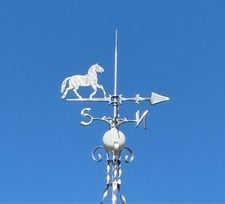
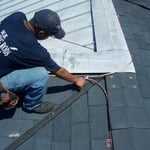
"We have been hit twice by lightning by God's grace either one hit our home however the last strike burnt art motorhome to the ground William was hired to install lightning protection lightning rods on our home and two out buildings he took the time to explain to us everything we needed to know answering every question professionally conducted himself in the utmost professional manner I would highly recommend lightning rods and even more highly recommended hiring William to do the job we are going to do an expansion later on and he will be the one and only contractor I will call to continue our lightning protection"
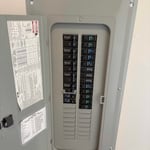
"Very pleased with the finished work. Donny did a great job with everything, he really knows what he is doing. Put a new service entrance in, new breaker box in the basement, fixed up an old dryer plug and some new wiring. I have a few other smaller projects and he will be my go to guy. Thanks again Donny."
10 years of experience, focused on troubleshooting, design and install. No job to big or small, we have worked anywhere from homes to industrial facilities. We offer a few options for standby generators as well. I look forward to working with you!
Here at Triangle Heating & Cooling, LLC, we sustain our business on quality and integrity. We are experts in our trade and our commitment to quality from beginning to end of your project. We look forward to earning your business. Call us anytime with any questions you may have. Thanks for you time and have a great day.
String lights require electricity, but not an excessive amount, especially when compared to other lighting fixtures. LED rope lights, for instance, consume around one watt per foot. Running six or seven light strings simultaneously should only cost you around $10 to $15 each month. You can save even more money by remembering to turn off your lights during daylight hours.
Yes, you must use the proper wire nut that fits your wire gauge. Using a wire nut that’s too big or too small can cause your connection to fail, short circuit, or disconnect entirely. Ensuring that you have the proper wire nut size will guarantee that your connection lasts as long as possible.
Moving an electrical meter in your home depends on what your electric utility company allows. If you only want to move it a few inches, that may be no problem or only incur light fees. If you want to move it a significant distance, you may need to arrange a utility inspection and get permission, or your utility company may prevent it altogether.
Many wire nuts can accommodate three wires of various gauges; you should check the packaging of the nut to confirm you are buying the correct size. In addition, there are screw terminals that accommodate various numbers of wires; these might also be called “terminal blocks,” and exist to connect multiple wires.
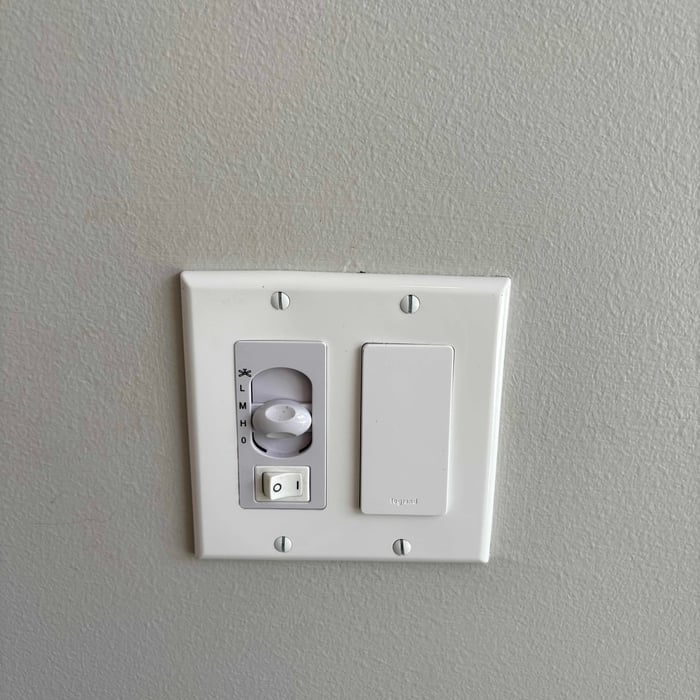
No, it doesn’t matter which of the two wires goes on each of the two switch terminals. Just be sure to put the ground wire in the correct terminal. The ground wire is either green, bare copper, or green with a yellow stripe. The other wires are hot wires and are typically black. They can be used interchangeably.
The Philipsburg, PA homeowners’ guide to electrical services
From average costs to expert advice, get all the answers you need to get your job done.
Before you hire a licensed electrical contractor, you should learn the cost to run electric from the road to your house so you can budget for the project.
Is it time to upgrade your electrical panel? For the sake of safety, find out sooner than later by exploring our top signs that it’s time for an upgrade.