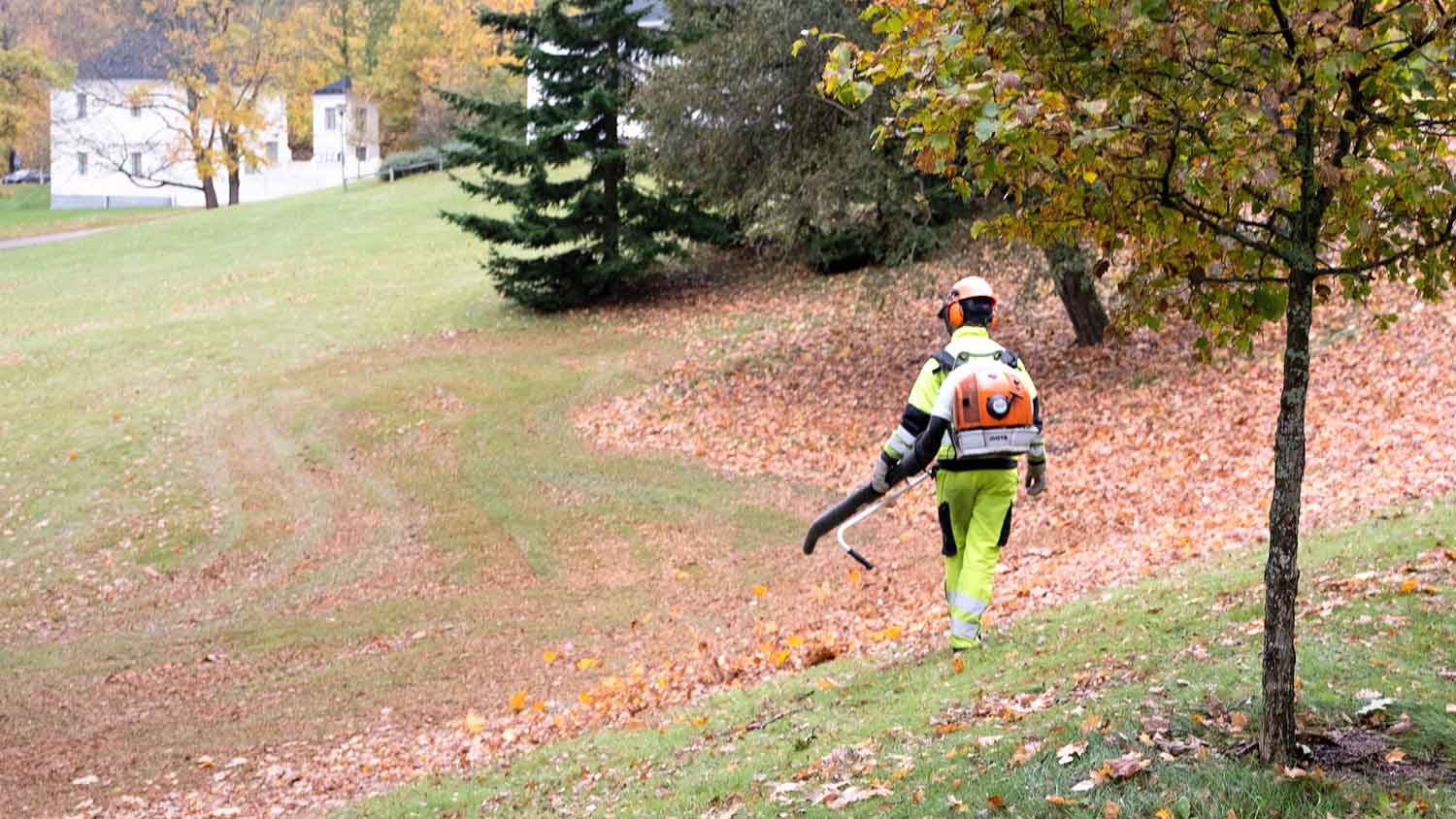
Top-rated leaf removal pros.

Best leaf removal pros near Newfoundland, PA

Enter your zip and get matched with up to 5 pros

Need a pro for your leaf removal project in Newfoundland, PA?

Select your specific project to find the pro for you.

TRUSTED BY NEWFOUNDLAND, PA HOMEOWNERS

  • Average homeowner rating star icon4.2
    Average homeowner rating
  • Verified reviews icon53
    Verified leaf removal services reviews

Top-Rated Leaf removal pros in Newfoundland - Updated Nov 2026

Avatar for EverKlean Landscaping
EverKlean Landscaping
4.8(
16
)
Lawn & Yard Waste Clean UpLawn Care - Fall / Spring Clean Up - For BusinessWaste, Junk, Building Materials and Debris - Remove and Haul

Serving Newfoundland, PA and surrounding areas

Approved

In business since 2022

Free estimates

Credit card accepted

"I hired EverKlean Landscaping to do fall leaf clean-up on our knee deep leaf covered lot. His work is excellent. He raked and hauled away all of our leaves, always keeping in contact with me when they were delayed due to weather. He did an outstanding job, charged a fair rate, and was pleasant to work with. I highly recommend him!!!"
Response time8 hrs
Response rate88%
Recommended by88%of homeowners
...
Showing 1-10 of 197
Leaf Removal FAQs, answered by experts

Government regulations such as the EPA and OSHA govern lead removal procedures to ensure health and environmental safety during and after abatement.

The EPA enforces hazardous waste laws and ensures people dispose of their hazardous waste responsibly. Depending on where you live, your state’s hazardous waste regulatory agency may also enforce these laws. Individually, it’s up to each household to properly dispose of their hazardous waste.

According to the Environmental Protection Agency (EPA), hazardous waste is generally classified into four main categories:

1. Characteristic Wastes: These exhibit at least one of four hazardous traits: ignitability (flammable, like gasoline), corrosivity (can rust or decompose materials, like car batteries), reactivity (unstable and can explode, like aerosol cans), or toxicity (harmful when ingested, like lead-based paint).

2. Listed Wastes: These are specific wastes from manufacturing and industrial processes that the EPA has officially designated as hazardous. They include byproducts from processes that use solvents, pesticides, and other chemicals.

3. Universal Wastes: These are commonly generated hazardous items that are subject to streamlined regulations. Examples include batteries, pesticides, mercury-containing equipment (e.g., bulbs), and some lamps.

4. Mixed Wastes: This category includes waste that contains both hazardous and radioactive components, making it subject to regulation by both the EPA and the Nuclear Regulatory Commission.
The safest way to remove lead-based paint is by letting a professional take over. For most people, lead paint removal costs an average of $3,400. You should never attempt to dry sand old lead-based paint surfaces by hand. Most professionals use a paint stripper to do the job followed by wet scraping, but if you don’t want to remove lead paint, another option is to paint over it. Only consider this option if the old lead paint finish isn’t flaking or cracked.

Chlorine has a shelf life of between six months and several years, depending on its type and formulation. Liquid chlorine can often lose its effectiveness in just a few weeks. Pool owners can find themselves with overstock that they need to get rid of. The best way to dispose of excess chlorine is to take it to a hazardous waste collection site and let the pros handle it.  

The Newfoundland, PA homeowners’ guide to leaf removal services

From average costs to expert advice, get all the answers you need to get your job done.