
Top-rated leaf removal pros.

Get matched with top leaf removal pros in Dunmore, PA

Enter your zip and get matched with up to 5 pros

Need a pro for your leaf removal project in Dunmore, PA?

Select your specific project to find the pro for you.

TRUSTED BY DUNMORE, PA HOMEOWNERS

  • Average homeowner rating star icon4.6
    Average homeowner rating
  • Verified reviews icon34
    Verified leaf removal services reviews

Find Leaf removal pros in Dunmore

Avatar for PA Junk Solutions
PA Junk Solutions
5.0(
23
)
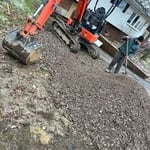
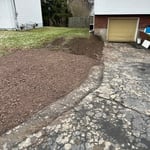
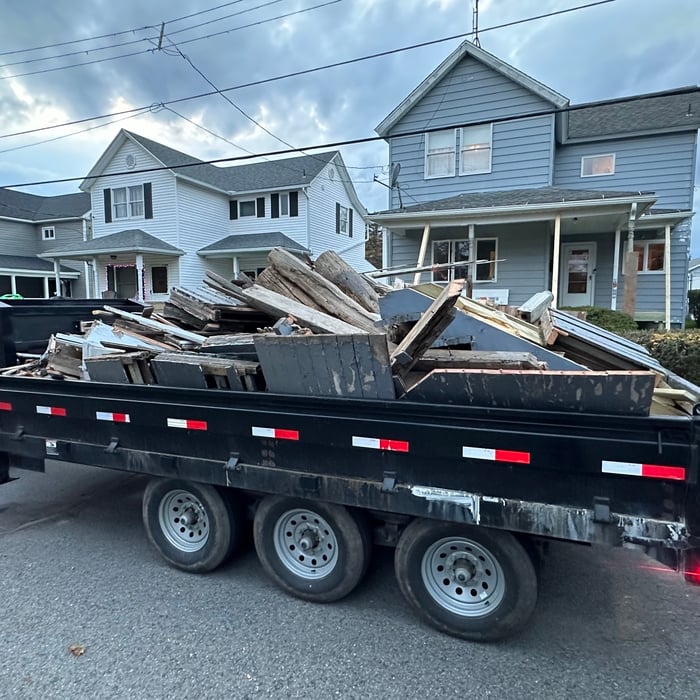
Waste, Junk, Building Materials and Debris - Remove and Haul

Serving Dunmore, PA and surrounding areas

Approved

Free estimates

Emergency services offered

Credit card accepted

"They were up front and honest with thier pricing on junk removal. And had the best pricing compared to others in the area. Blake arrived on time, worked quickly, efficiently and professionally was able to get everything to fit in one load. I will be hiring them again."
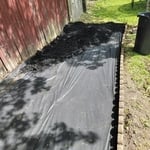
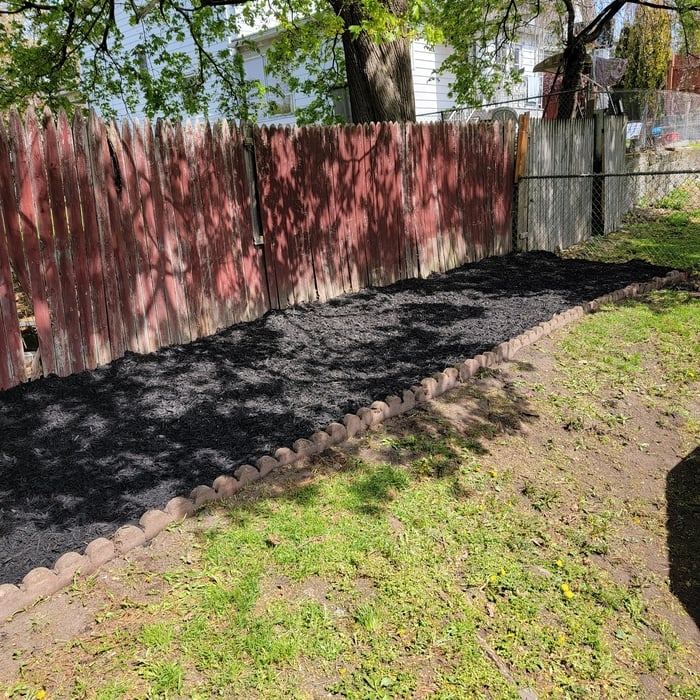
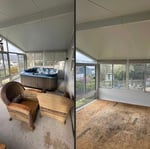
Before / After
Full Interior Clean Out
Outdoor Cleanup
Garage Cleanout
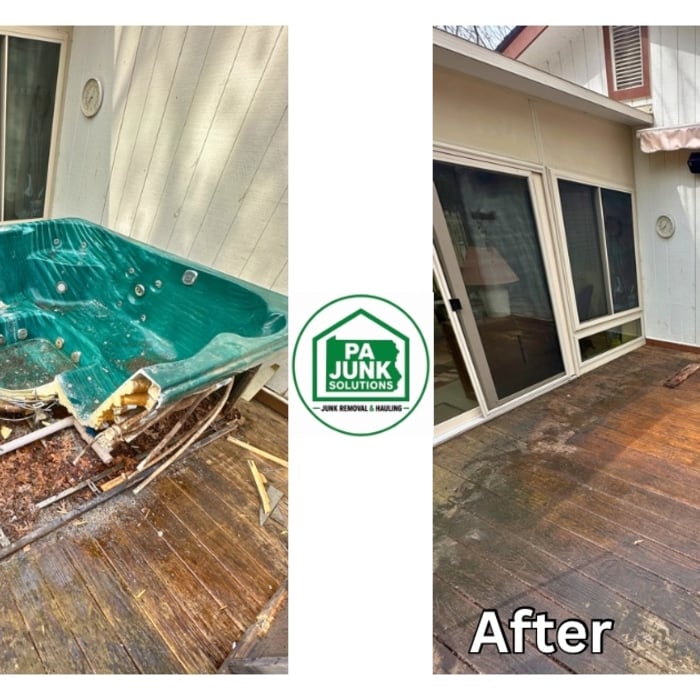
Hot tub Removal

+5

109 neighbors recently requested a quote
...
Showing 1-10 of 270
Leaf Removal questions, answered by experts

Professional lead-paint abatement companies use a variety of methods to remove lead-based paint, depending on each particular situation. Some of the most common methods include:

  • Total removal: $8–$17 per square foot

  • Demolition and replacement: $1,000–$15,000 per project

  • Encapsulation: $4 per square foot

  • Enclosure: $10 per square foot

  • Chemical stripping: $10–$17 per square foot

You can sell a house with lead paint, but there are several requirements. If you are aware that lead paint exists anywhere in the home, you must disclose that to potential buyers. Required home inspections will often uncover lead paint, especially for older houses where lead paint may still be a problem. If you have taken steps to encapsulate lead, you should provide buyers with full documentation of the project so it won’t cause any problems later on.

If the lead paint is in a place that is not easily disturbed and is not flaking or deteriorating, you do not necessarily need to remove it. Lead is toxic when dust particles or flakes from peeling lead paint are ingested. If people are not in the area with the lead paint, it may be safe to leave it in place. You still may want to consider encapsulation with a paint formulated for covering lead-based paint, just for an added layer of protection.

While not all homes built before 1978 contain lead paint, enough do, so you’ll still want to test to be on the safe side. The federal government banned lead-based paint for homes in 1978, but your state may have banned lead before that time. Around 24% of homes built between 1960 and 1977 contained lead-based paint, while 87% of homes built before 1940 contained lead-based paint.

Lead toxicity comes from inhaling lead or consuming it. Before the 1980s, when the government banned lead from consumer use, it could be found in paint, plumbing, pipes, ceramics, and even gasoline. Lead paint is toxic for the same reason lead itself is toxic, which is why lead poisoning from paint presents the same as lead poisoning from water or food sources, with a slight increase in respiratory symptoms vs. digestive symptoms. Lead paint is most dangerous when it’s old and peeling, cracking, or otherwise disturbed. This increases the concentration in the air and, therefore, in breathable air. 

The Dunmore, PA homeowners’ guide to leaf removal services

From average costs to expert advice, get all the answers you need to get your job done.