


Yes, you can install insulation over ductwork, and doing so can save you money. Without insulation, the HVAC unit must work harder to force warm or cool air around the home, and once the air reaches the vent, it may not be the correct temperature. Insulating HVAC ducts makes your system work more efficiently, saving you money on heating and cooling bills.
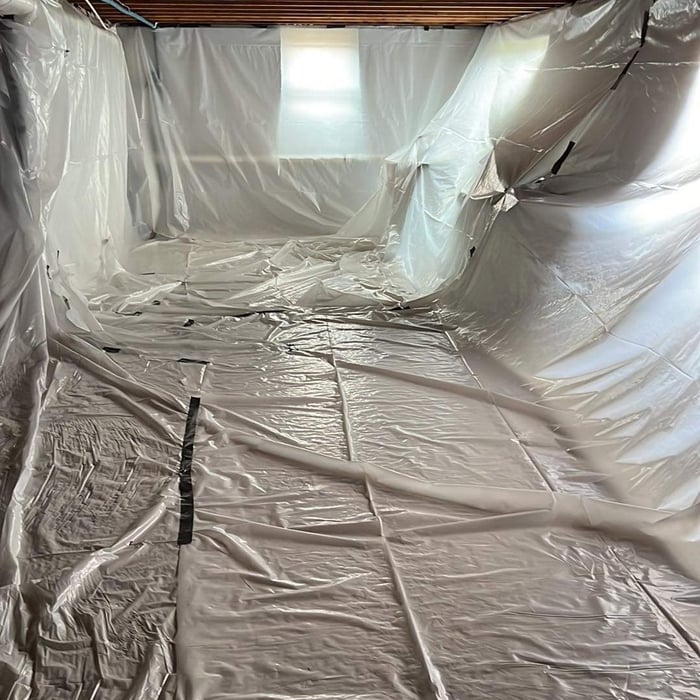
Three signs that you need crawl space insulation are drafts, high energy bills, and mold. Drafts can start in crawl spaces and cause hot or cold air to spread to the rest of your home through holes in the floors and walls. And even if your entire home is well-insulated, you can still feel an unchecked draft from your crawl space and in your utility bill. Uninsulated crawl spaces can let in air and moisture, and because they’re built directly on the ground and difficult to dry out, they are hotspots for mold and mildew.
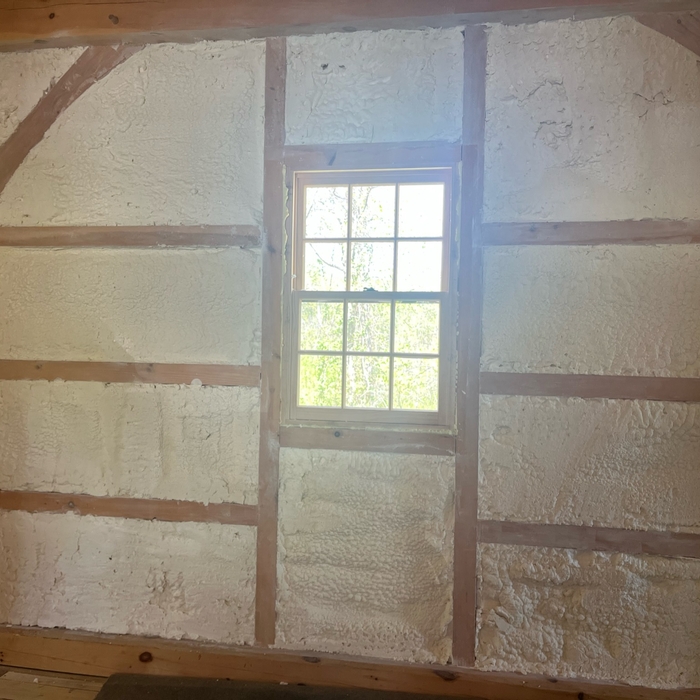
Natural fiber batts and spray foam insulation both work great for soundproofing. Newer materials, such as hemp batts, are more expensive but more effective for insulation and sound blocking. They are also more sustainable. There is also a professional system called Blow-In Blanket Insulation (BIBS) that is soundproof and moisture-resistant. However, BIBS must be installed professionally and can be a costly investment.
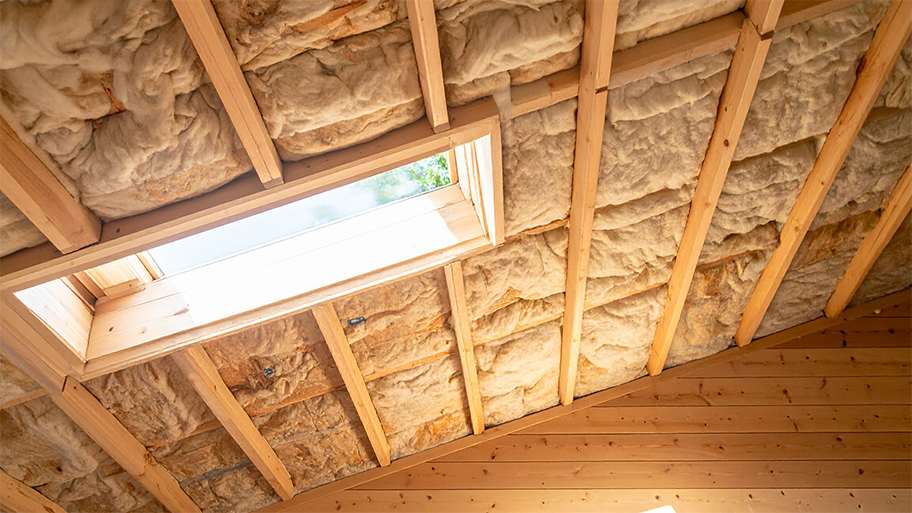
It’s best not to install a radiant barrier directly under insulation because it requires an air gap on at least one side to work properly. Instead, you should install the radiant barrier over your existing insulation to create an air space to reflect the radiant heat.
A radiant barrier is a form of insulation topped with a reflective material designed to keep homes cool during hotter months. It is generally considered worth the investment if you live in a hot, sunny climate, as the cost can be recouped over time through lower energy bills. Installation costs typically range from $0.10 to $1 per square foot. After installation, homeowners in warm climates may save between $7 and $15 per month, potentially reducing their electric bill by 5% to 10%. The exact savings will vary depending on your location and the type of barrier chosen.
The Needmore, PA homeowners’ guide to insulation services
From average costs to expert advice, get all the answers you need to get your job done.
The cost of blown-in insulation costs varies depending on the type of insulation, labor, prep work, and more. Learn more about the cost factors in this guide.
Learning how to insulate plaster walls can help improve your home's energy efficiency. However, there are crucial cautions to consider before attempting.
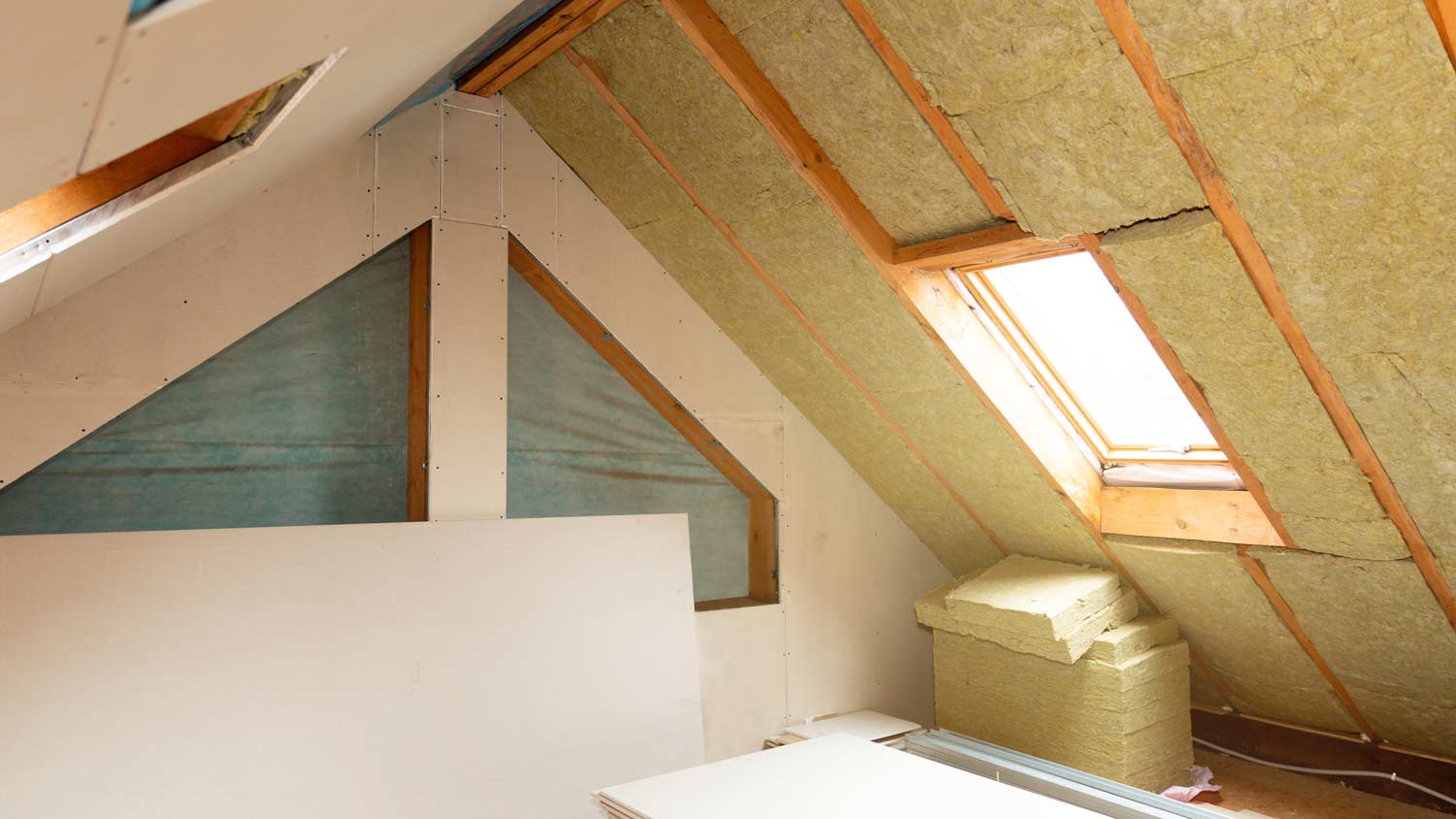
If your home’s temperature is uncomfortable or your energy bill is spiking, you should check your insulation. We'll help you find out if you should replace it.