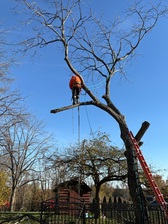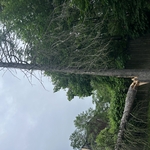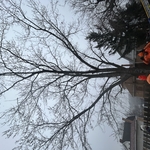





Top-rated tree service pros.

Get matched with top tree service pros in Mount Morris, PA

Enter your zip and get matched with up to 5 pros

Need a pro for your tree service project in Mount Morris, PA?

Select your specific project to find the pro for you.

TRUSTED BY MOUNT MORRIS, PA HOMEOWNERS

  • Average homeowner rating star icon5
    Average homeowner rating
  • Verified reviews icon10
    Verified tree services reviews

Find Tree service pros in Mount Morris

Avatar for Affordable Tree Removers
Affordable Tree Removers
4.9(
40
)

Serving Mount Morris, PA and surrounding areas

In business since 2023

Free estimates

"Affordable Tree Service was amazing company. They came to give us a quote and did an amazing job! They were very professional and did a fantastic job. Another asset they have is they do not keep you waiting for them to arrive exactly when promised. They also cleanup everything when they are finished with the project. I originally was contacted by Fallen Timber tree service- through Angi’s. They gave us a date when they would perform the work but never came- telling me they were busy - the weather is bad, etc etc. Needless to say Affordable Tree Service does not operate like that and arrive when promised. A very commendable way to do business and a “breath of fresh air” after having the terrible experience we received from Fallen Timber. We would highly recommend them for your yard projects!!"
Tree Service Project
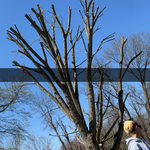
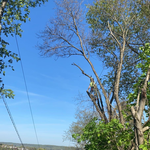
Anna Fenton’s Tree Removal & Stump Grind Project
Tree Service Project
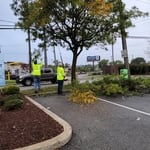
Bucket Truck What!?!
Tree Service Project

+84

Response time3 days
Recommended by97%of homeowners
Showing 1-10 of 29
Tree Service questions, answered by experts

It is possible to cut down a tree on your property yourself, but it is generally not recommended unless specific conditions are met. You should only consider this project if the tree is small (e.g., under 4-5 inches in diameter and short enough that you don't need a ladder to reach the branches), and you are experienced in handling a chainsaw. The tree must also be located far from any power lines, fences, homes, or other structures. Even for small trees, the work can be dangerous, and it's always advisable to have a spotter to ensure the tree falls correctly and no branches fall on you.

For any tree that is large, requires a ladder to access, or is near electrical lines or structures, you should always hire a professional. Attempting to remove a large tree yourself is extremely dangerous, poses a risk of serious injury, and could result in significant damage to your property.

Before any tree removal, it's also important to check your local and state regulations to ensure the tree is not historic or otherwise protected by your city.

Generally, you’ll want to prune back the trunk by 1 to 2 feet each year to promote bushy growth. Doing so concentrates vegetative buds closer to the bottom of the tree, where you can easily harvest fruit. For side shoots that are a year old, leave at least six leaves. 

Never remove more than 30% of a tree’s foliage during pruning—even if your tree is really overgrown. Removing this much foliage at a time could kill your tree.

There are a few general rules to follow that will help you prune your trees correctly. One of the most important rules is to prune during the correct season for the type of tree you have. Typically, pruning should be during late winter. For younger trees, you should not remove more than a ⅓ of the tree's crown when pruning. Also, remember to remove dead and diseased branches first, then proceed with pruning the rest of the tree.

Completely topping a plum tree is a risky business. Cut too much, and you’ll kill your tree. That said, you do need to trim the top of your tree to encourage bushy growth, maintain your tree’s vase shape, and limit size. 

A plum tree's central leader (or trunk) should never extend more than 3 feet above the highest branch. When you first plant your tree, cut the central leader so it’s 2 to 3 feet tall. As it grows, cut it back 12 to 20 inches until it reaches its desired height. Never prune more than one-third of the new growth.

You don’t always need a permit to grind a stump, but you might need one depending on your location and the stump’s surroundings. Permits are often needed if the stump is part of a protected tree species, near public areas or utility lines, or close to environmentally sensitive zones like wetlands. Some cities also regulate noise and work hours. Always check local rules before grinding, and contact your city or county office if you're unsure.

The Mount Morris, PA homeowners’ guide to tree services

From average costs to expert advice, get all the answers you need to get your job done.